5D5N in August Hokkaido! Day 3 in Otaru: Sunflowers, Chocolate, and Stunning Views

Day 3 Summary:

  • 8:00 AM Check out from Y’s Hotel Asahikawa Station and drive
  • 9:30 AM Hokuryu Sunflower Village (Hokuryu Himawari no Sato)
  • 10:30 AM Drive towards Royce’ Cacao&Chocolate Town
  • 12:15 PM Lunch at a teishoku spot Teishoku-ya Toshi and Nori in a nearby town
  • 1:00 PM Visit to Royce’ Cacao&Chocolate Town
  • 3:15 PM Quick stop at MEGA Don Quijote in Shirono
  • 5:15 PM Otaru Shukutsu Panorama Observation Deck for a sea view
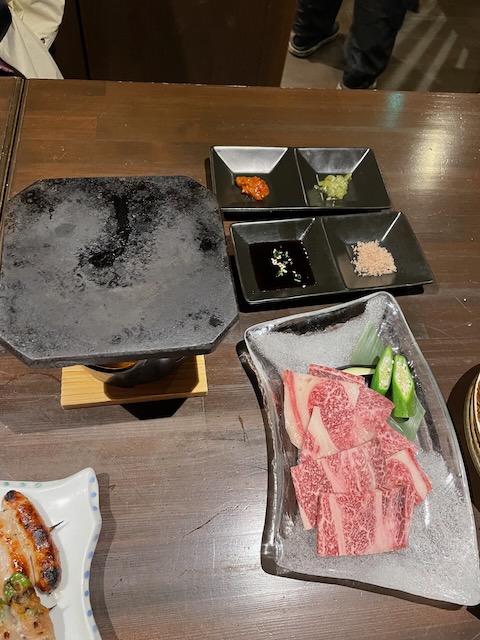
  • 8:00 PM Nighttime canal photos and dinner at Gyukaku in Otaru

8:00 AM After a restful night at Y’s Hotel in Asahikawa, we kicked off Day 3 of our Hokkaido adventure. We started the day with a scenic drive. Though Asahikawa is Hokkaido’s second-largest city, we didn’t linger. Instead, we headed straight for Hokuryu Sunflower Village, also known as Hokuryu Himawari no Sato, about an hour away.

9:15 AM There was a bit of a detour before we reached our destination. We accidentally ended up at the Sunflower Park Hokuryu Hot Spring! But with a quick check-in for directions at the hotel, we were soon back on track and spotted our goal: the massive, vibrant sunflower fields at Hokuryu Sunflower Village.

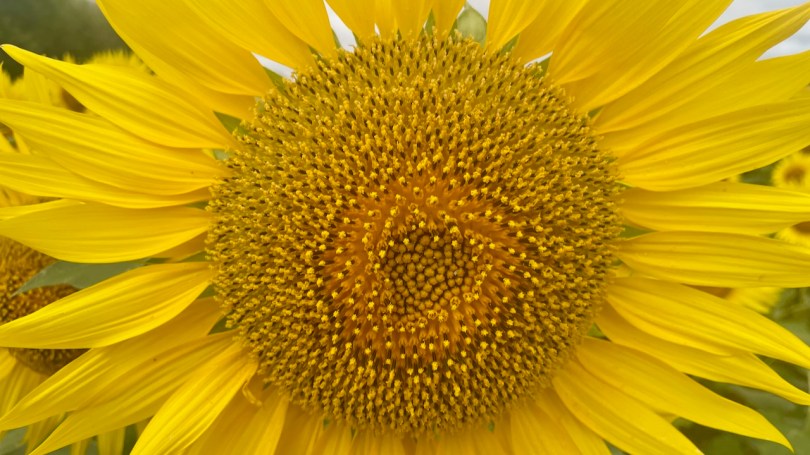
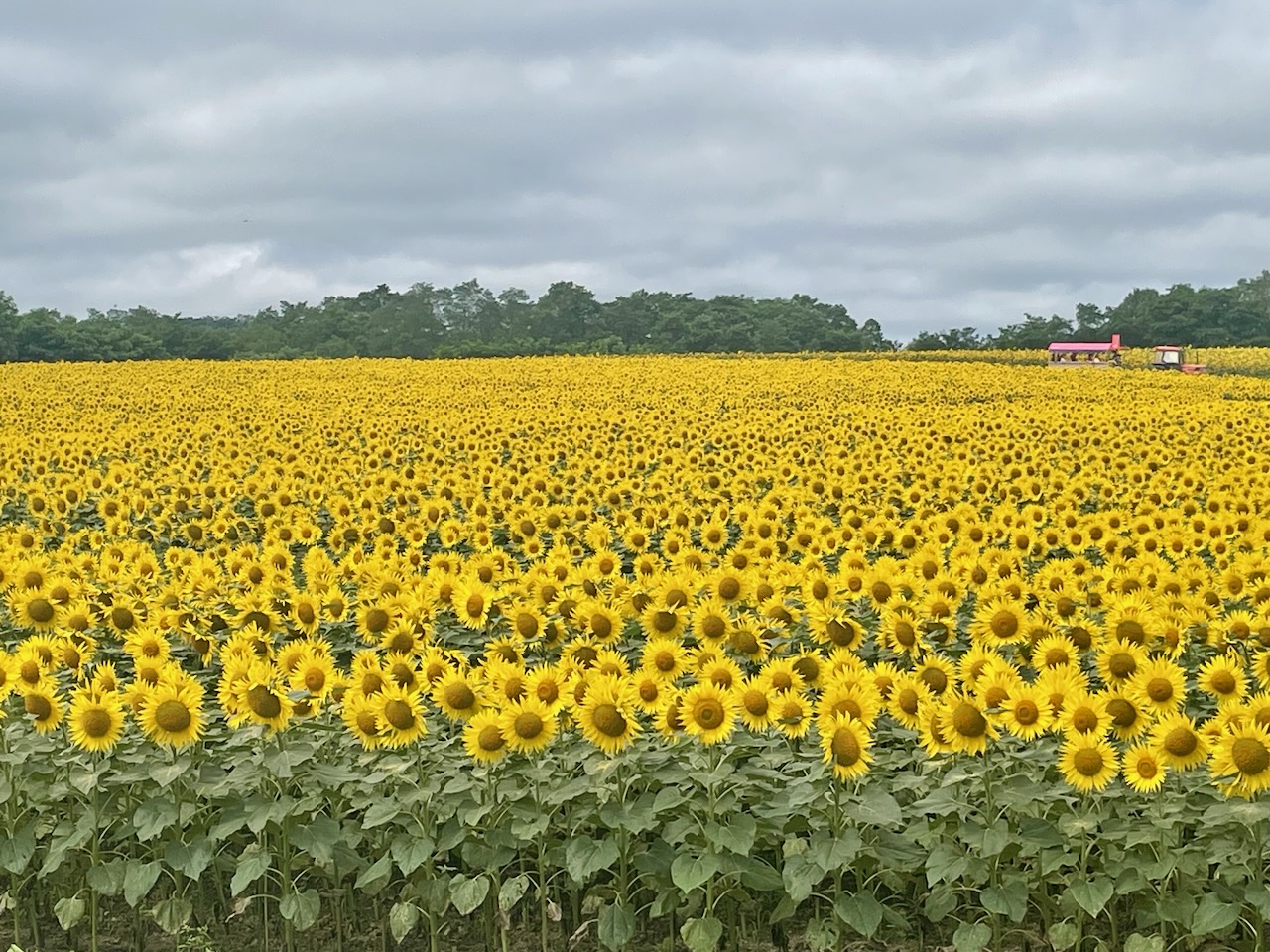
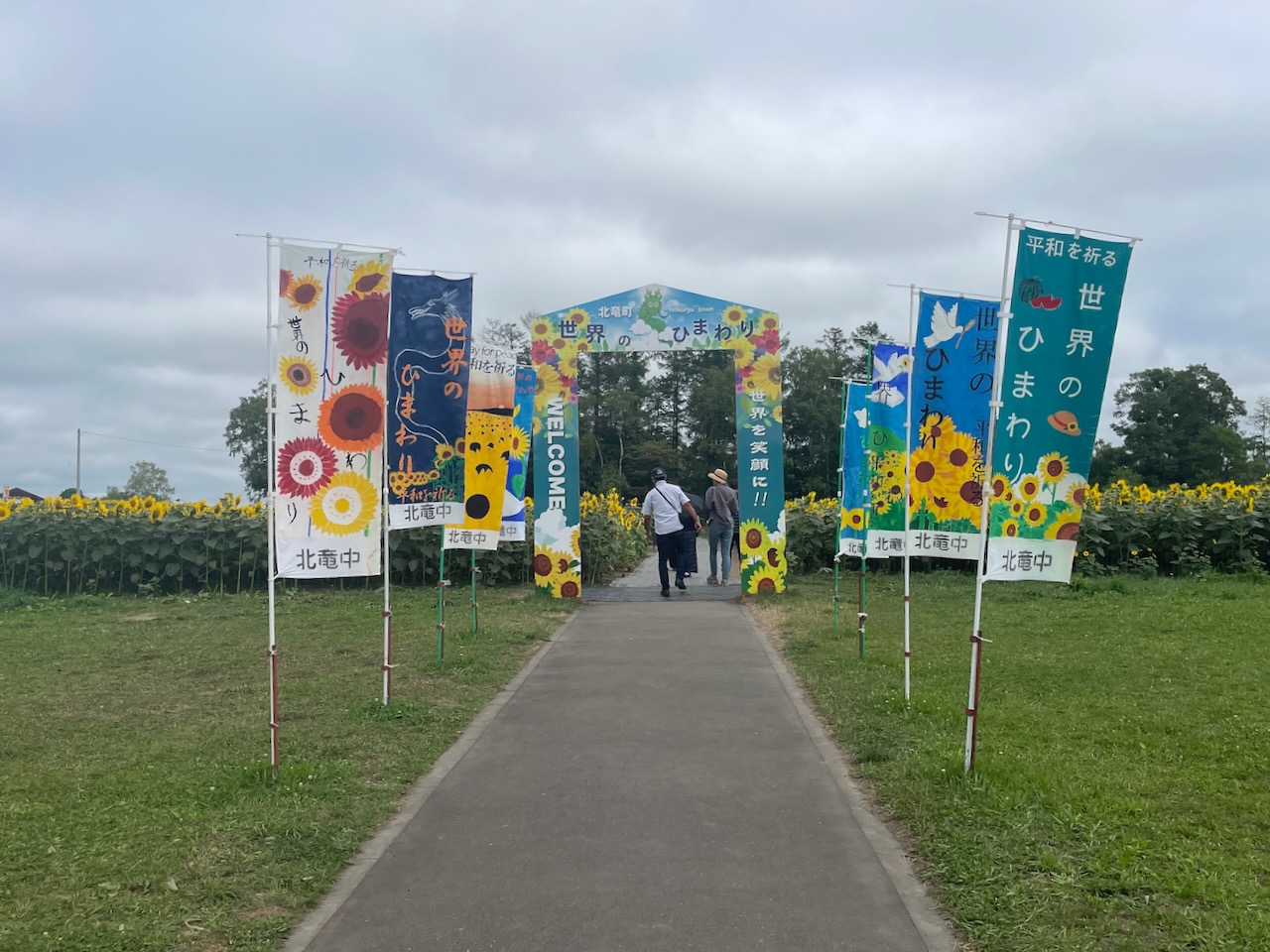
The sight was absolutely breathtaking, with millions of sunflowers in full bloom, all standing tall and facing the same direction. The cheerful atmosphere made it impossible not to smile! Admission to the village is free, it’s open 24/7, and parking is also free—so it’s a must-visit if you’re in the area. If you have time, don’t miss the sunflower maze (maze requires entrance fee though!); it’s a fun way to immerse yourself in the beauty of the fields. We spent about 1 hour here, but you can easily stay longer just soaking it all in.

Hokuryu Sunflower Village (北竜町ひまわりの里)
143-2 Itaya, Hokuryu, Uryu District, Hokkaido 078-2511, Japan
Free Parking
Map Code Used: 179 870 679 (for Sunflower Park Hokuryu Hot Spring)
http://portal.hokuryu.info/himawari

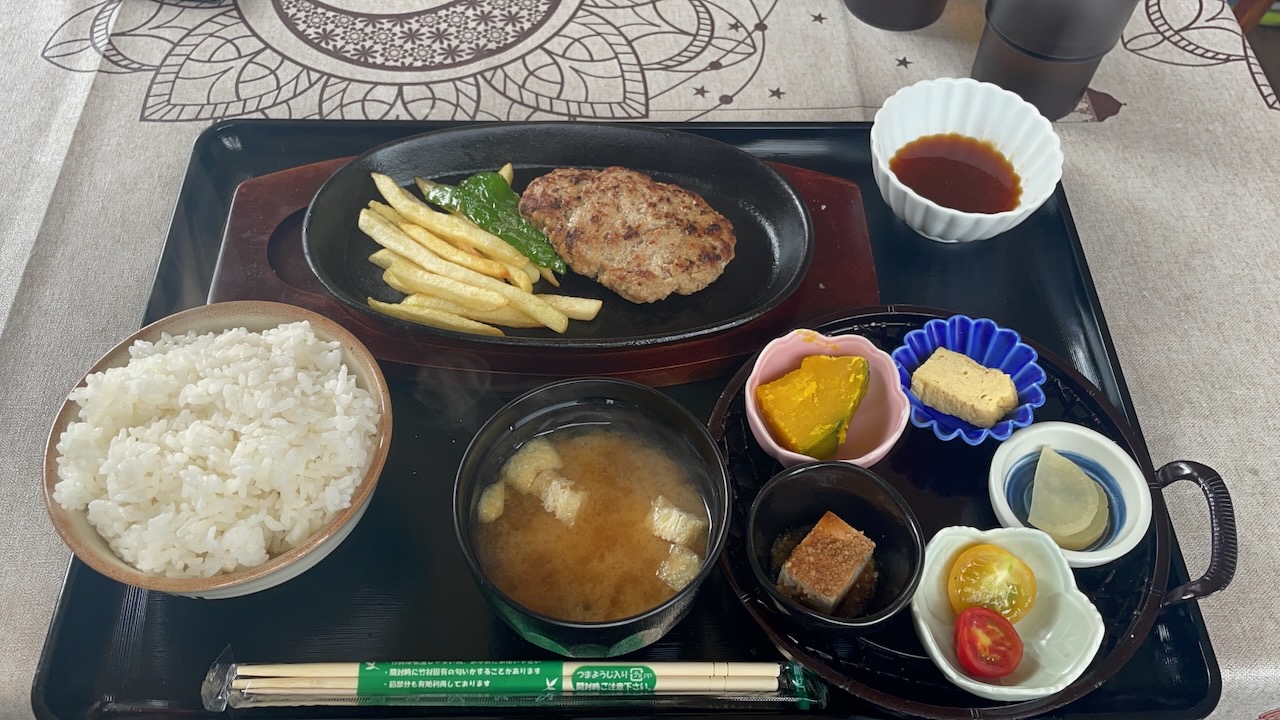
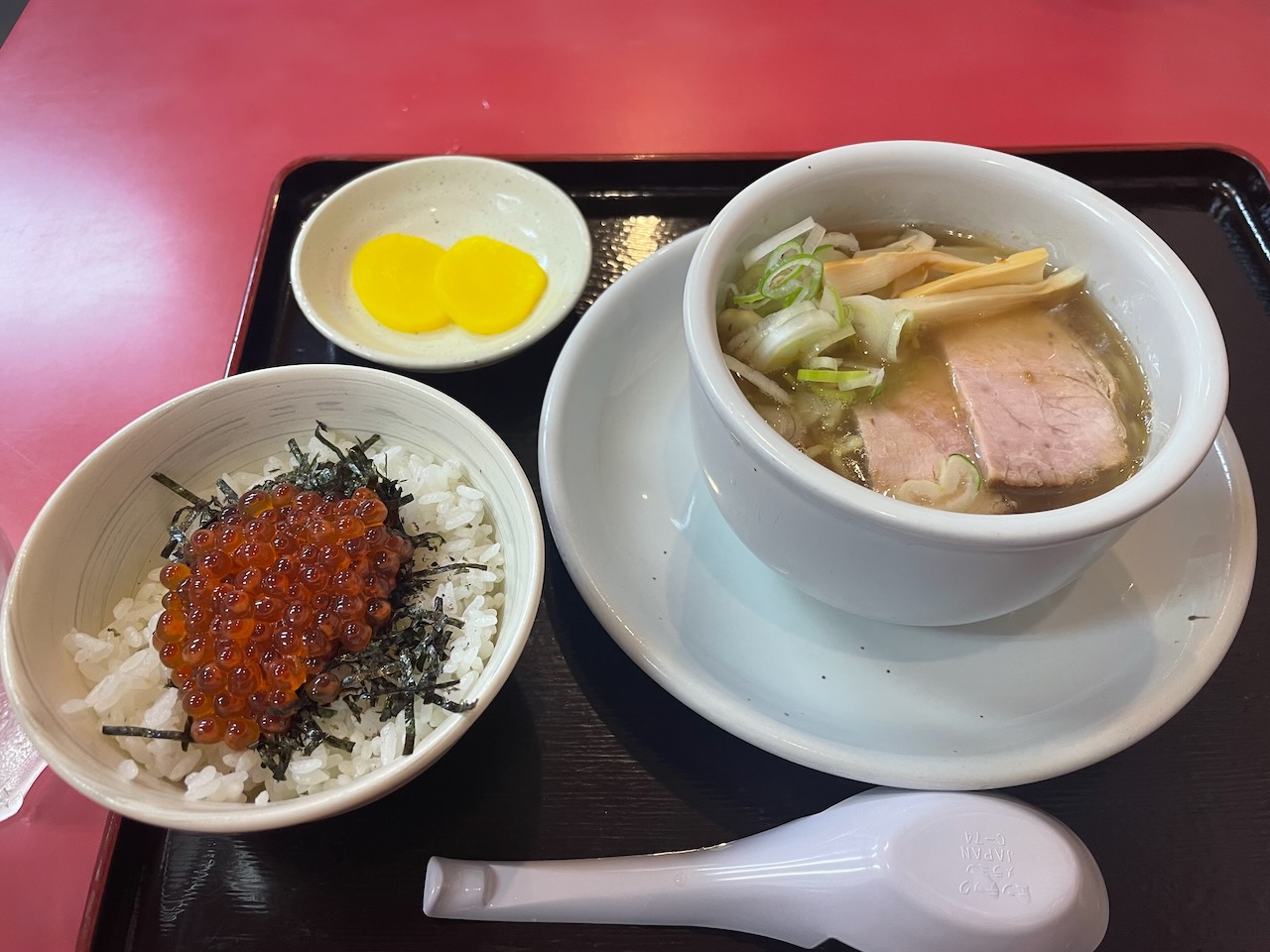
12:15 PM Next on our agenda was a visit to the Royce’ Cacao&Chocolate Town. But first, we stopped for a delightful lunch at a small teishoku (set meal) restaurant. Teishoku-ya Toshi and Nori was in a nearby town. The meal was simple yet delicious, reminding me of comforting school lunches. 

Teishoku-ya Toshi and Nori (定食屋とし&のり 当別店)
1509-222 Futomisutaraito, Tobetsu, Ishikari District, Hokkaido 061-3779, Japan
Free Parking
https://www.toshiandnori-toubetu.com/

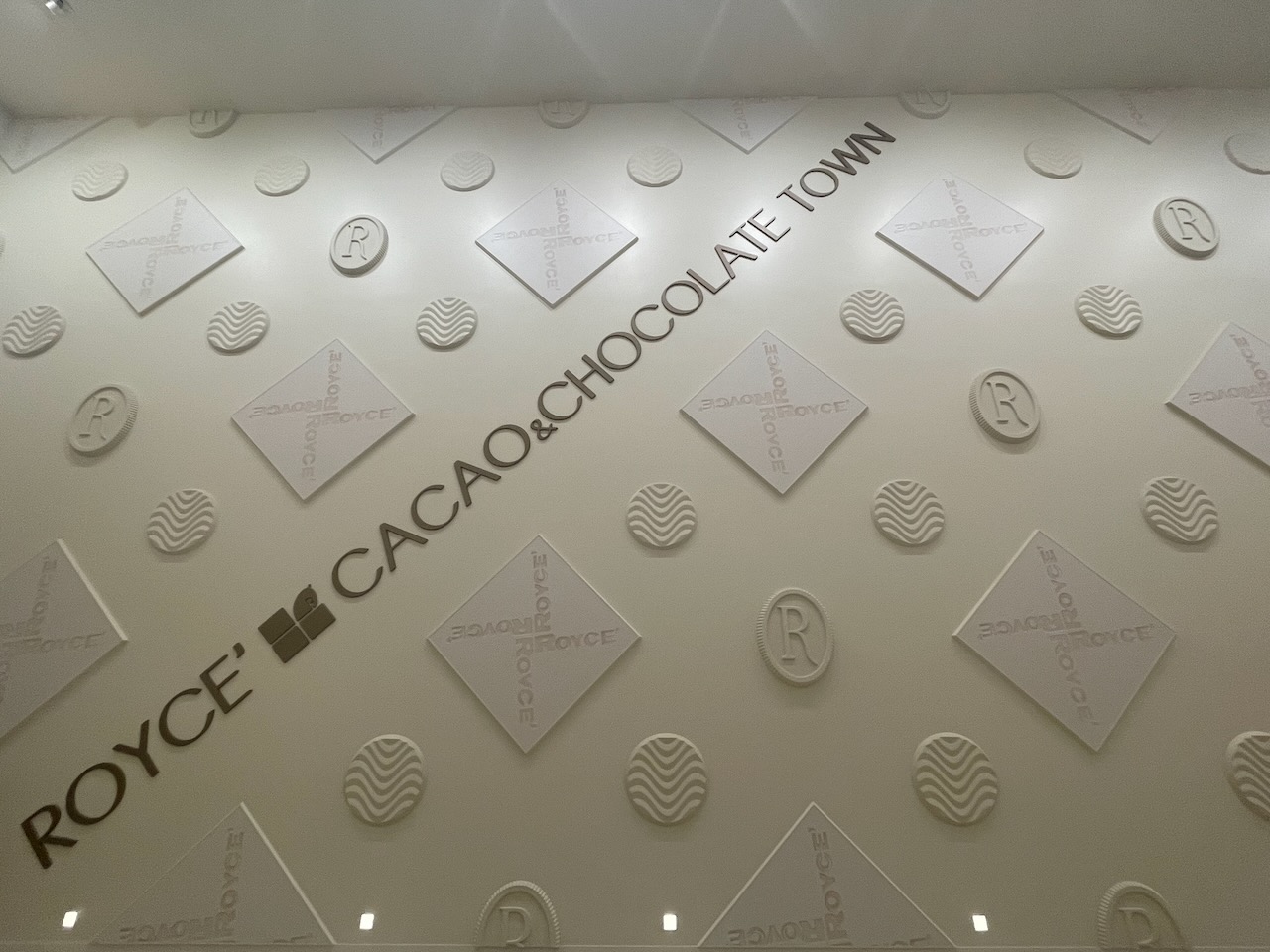
1:00 PM Upon arriving at  Royce’ Cacao&Chocolate Town, for 1,200 yen, we took a fascinating tour of the facility. We learned about their cocoa sourcing. We also explored the interactive exhibits. It was a great exhibition with English explanations. I recommend giving it a go if you have time. One highlight was the jukebox museum inside—such a quirky addition! Of course, we couldn’t leave without trying the famous Royce chocolate ice cream, which was as decadent and creamy as expected. And, you cannot leave without buying lots of chocolate home! (Side note: We made a mistake of parking in the staff lot. We wondered why all the cars did not look like they were rented. Make sure you park at the right carpark!)

ROYCE’ CACAO&CHOCOLATE TOWN (ロイズカカオ&チョコレートタウン)
640-15 Bitoe, Tobetsu, Ishikari District, Hokkaido 061-3775, Japan
Free Parking
https://www.royce.com/cct/?fbclid=IwAR3PM9G5PkXuSFiScW-ROz9i0BqNiNONrAi_cysbHnhETmWVKMq0L8t3L-k

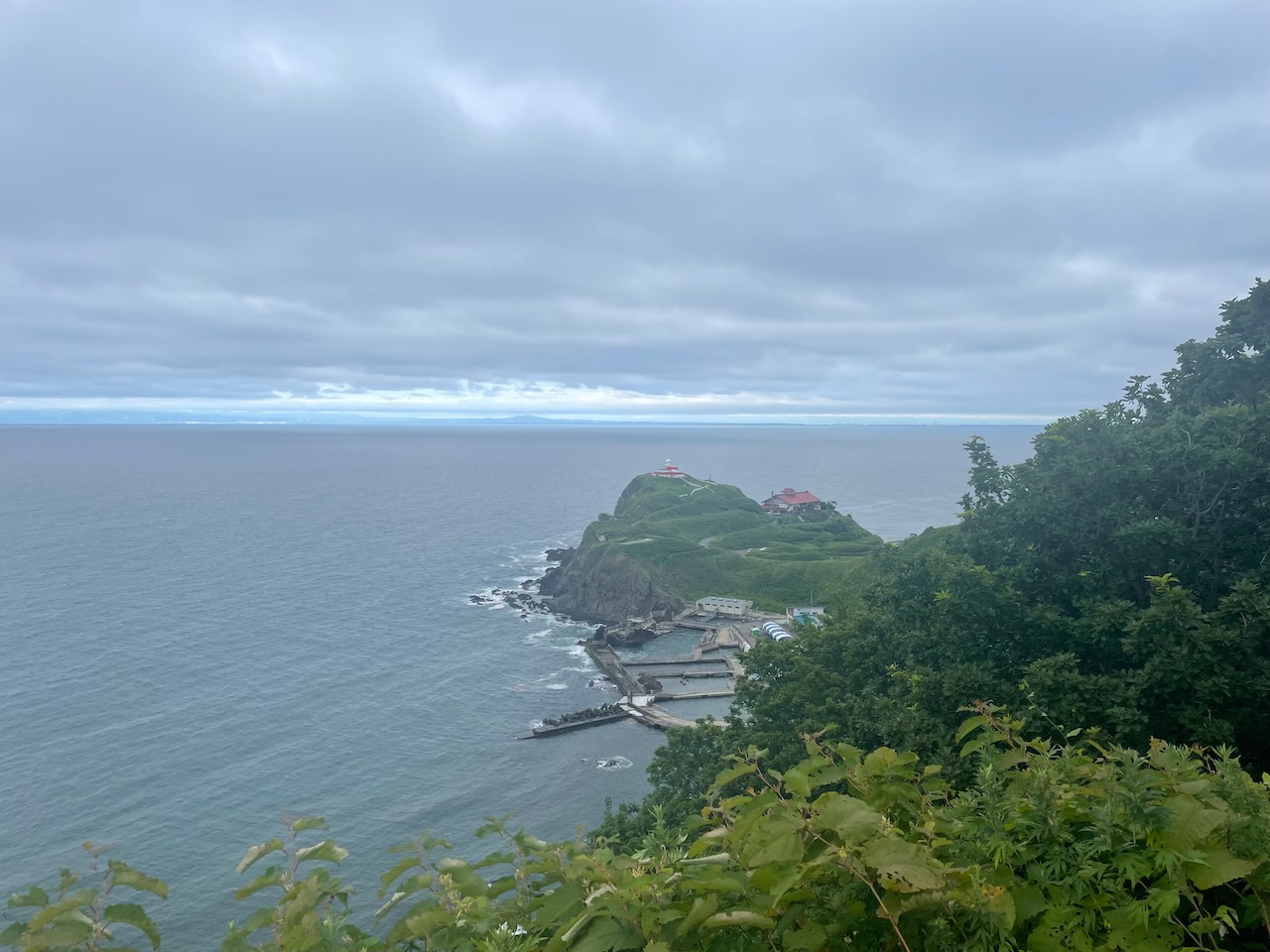
We made a quick stop at MEGA Don Quijote in Shirono for some shopping, then drove to the Otaru Shukutsu Panorama Observation Deck. The view of the sea from the deck was absolutely stunning and made for a perfect photo op. 
MEGA Don Quijote, Shinoro (MEGAドン・キホーテ 篠路店)
1 Chome-1-1 Taihei 12 Jo, Kita Ward, Sapporo, Hokkaido 002-8012, Japan

Otaru Shukutsu Panorama Observation Deck (小樽祝津パノラマ展望台)
3 Chome Shukutsu, Otaru, Hokkaido 047-0047, Japan
https://otaru-hokkaido.com/shukutsupanoramatembodai/

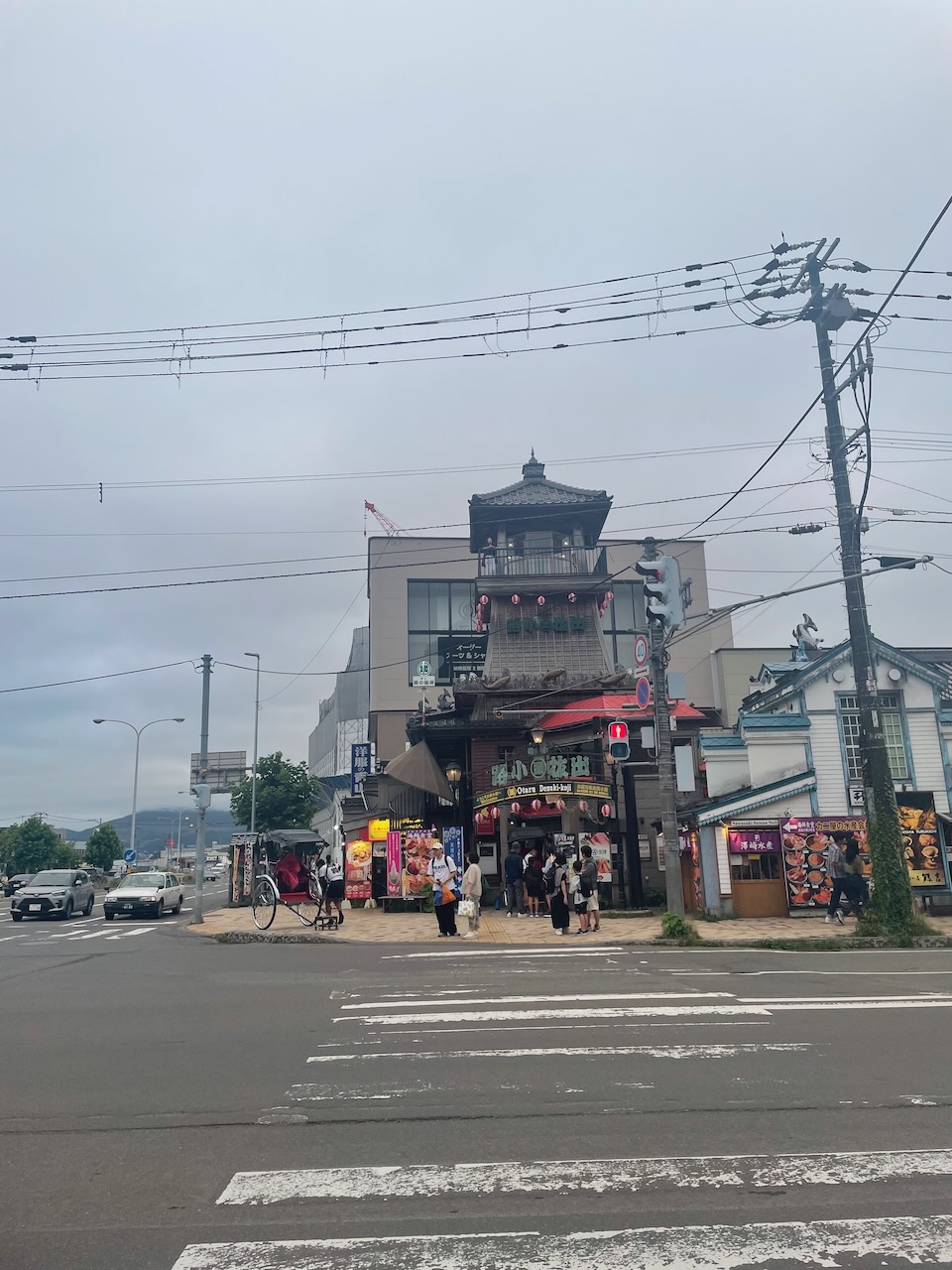
Before wrapping up the day, we returned to Otaru for some nighttime canal photography and ended the day with a cozy dinner at Gyukaku. It was a day full of surprises, great food, and unforgettable sights. Stay tuned for Day 4 as we continue exploring Hokkaido! Don’t forget to subscribe for more travel videos and articles!

Hotel – We stayed at Otaru Authent Hotel. There’s parking beside the hotel at 1500 yen.

Otaru Authent Hotel (オーセントホテル小樽)
2 Chome-15-1 Inaho, Otaru, Hokkaido 047-0032, Japan
http://www.authent.co.jp/
Parking 1,500 yen beside the hotel

5D5N in August Hokkaido! Day 2: Must-See Sites and Delicious Stops in Furano

Day 2 Summary:

  • 8:30 AM: Car Rental
  • Sunagawa Service Area
  • 11:00 AM: Ohashi Cherry Farm
  • 12:00 PM: Tomita Farm
  • 3:00 PM: Furano Cheese Factory
  • 4:30 PM: Shirogane Blue Pond (Aoiike) & Shirahige Waterfall
  • 7:00 PM: Asahikawa Ramen Village
  • Y’s Hotel Asahikawa Station

Hokkaido, Japan’s northernmost region, is renowned for its stunning nature and delicious local produce. Despite being a prefecture, Hokkaido stands out as Japan’s largest, both in size and number of municipalities, and is the second-largest island in the country. Unlike other prefectures, it carries the unique designation of “道” (do), stemming from historical classifications during the Meiji period when vast regions like Hokkaido were governed as a whole. While the administrative distinction has since disappeared, Hokkaido’s name remains a nod to its significant past.

Given the region’s size, we opted to drive rather than rely on trains, picking up our rental car at 8:30 am on our second day. For first-time drivers, remember to bring a physical copy of your international license. Car rental agencies often provide map codes for popular destinations, a much simpler navigation method than deciphering Japanese road names. I also recommend getting insurance and an ATC toll card with fixed rates, as tolls can add up quickly—sometimes up to 4,000 yen a day—but the convenience and time savings of expressways make it worth the cost.

8:30 AM After picking up our rental car, we hit the road (taking route 5) with a quick stop at the Sunagawa Service Area for some essentials. Service areas in Japan are little treasure troves—perfect for grabbing souvenirs, snacks, or just stretching your legs.

Sunagawa Service Area
478 Sorachibuto, Sunagawa, Hokkaido 073-0106, Japan

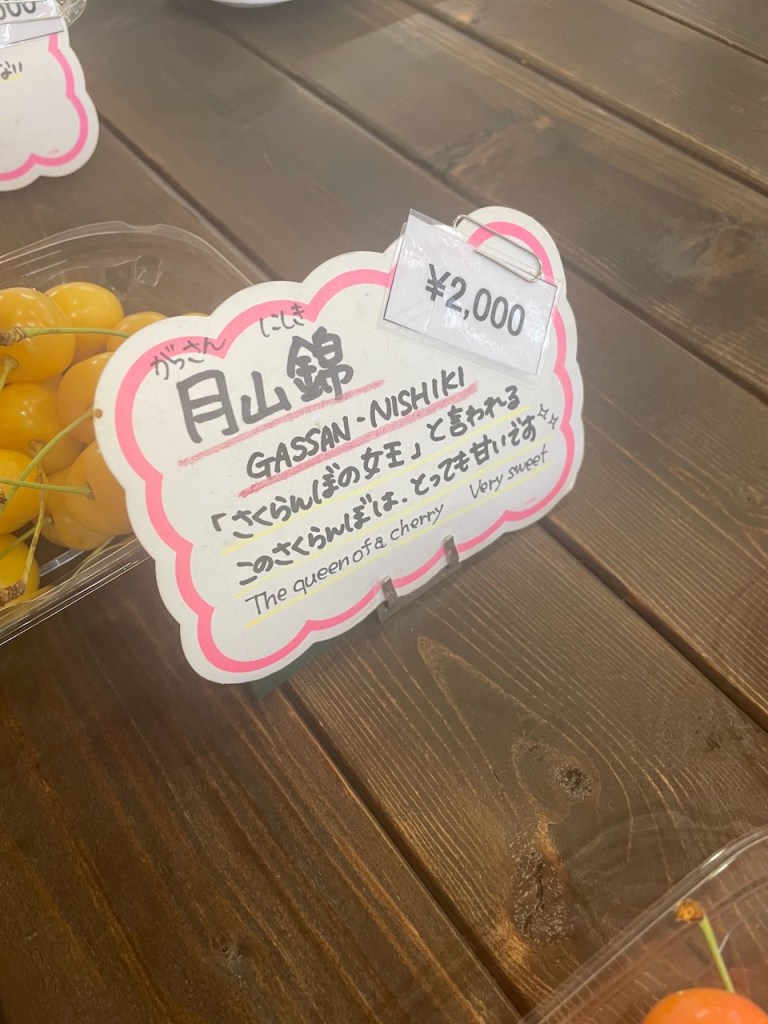
11:00 AM Our first real stop was Ohashi Cherry Farm. Although we were in between seasons and missed the cherry-picking window, we still managed to grab some fresh cherries of different varieties. The golden cherries 月山錦 がっさんにしき Gassan Nishiki, in particular, were a rare treat—so sweet and delicious! If you’re heading to a farm, I recommend checking their website first to see what fruits are in season. It was fun to sample and buy cherries, even without the full picking experience.

Ohashi Cherry Farm (大橋さくらんぼ園) Oohashi Sakurabo En 
469 Kamiashibetsucho, Ashibetsu, Hokkaido 079-1371, Japan

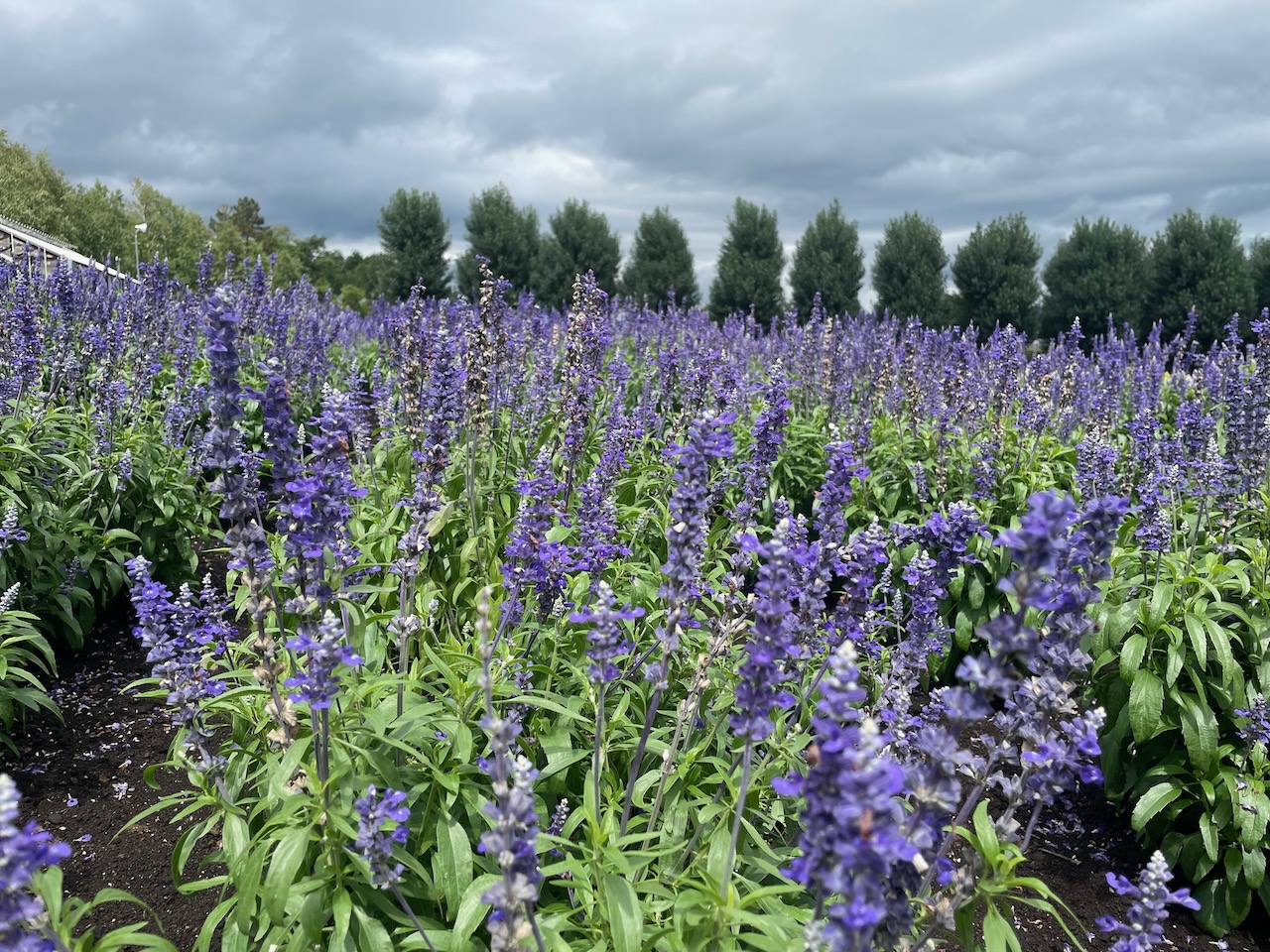
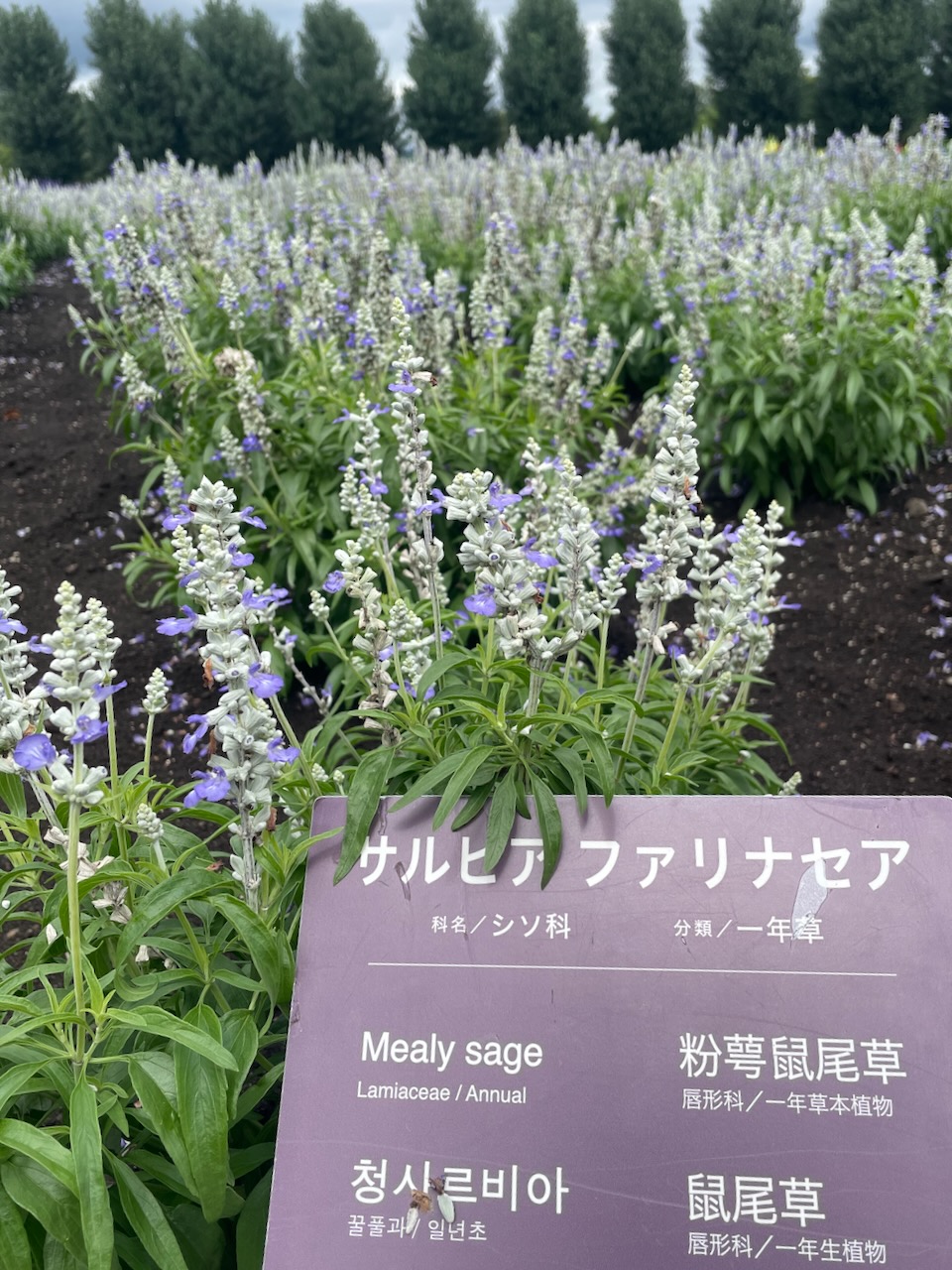
12:00 PM Our next destination was the famous Farm Tomita. Known for its sprawling lavender fields, the farm is a must-visit if you’re in the area. Unfortunately, we missed peak lavender season due to the unpredictable weather, but there were still plenty of flowers to admire! The farm blooms year-round, so there’s always something to see, from vivid summer blossoms to early autumn hues.

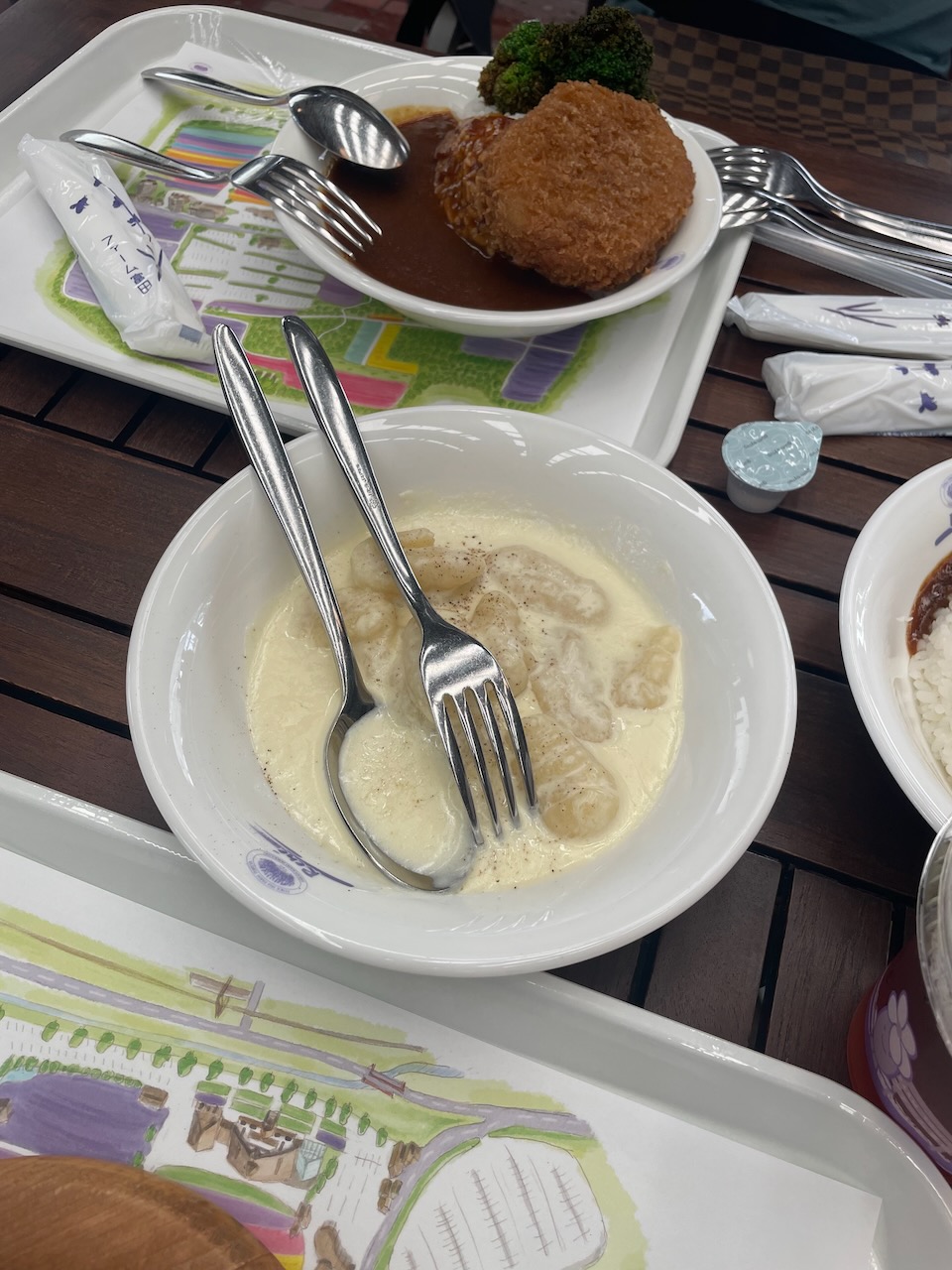
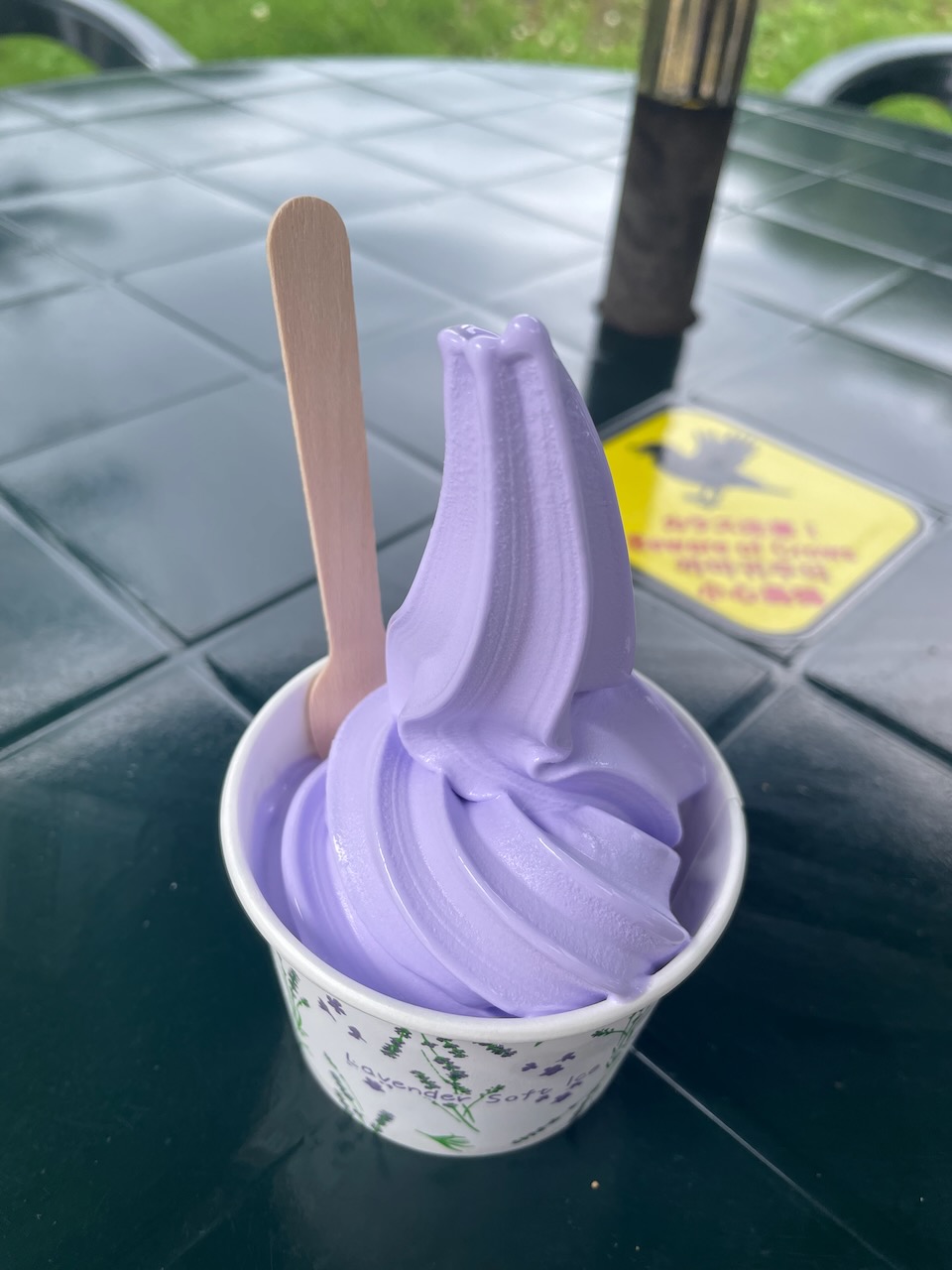
In addition to exploring Tomita Farm’s seasonal flowers and perfume-making techniques, we decided to stay for lunch to try their unique lavender-infused cuisine. Rather than venturing out, we enjoyed a meal right at the farm, sampling lavender drinks, curries, and a flavorful potato gratin. It was a delightful experience, and I couldn’t pass up the chance to try these creative dishes. We couldn’t resist trying the lavender ice cream—an absolute must—and the lavender-infused drinks. There’s a real charm to sampling lavender dishes while surrounded by fields of flowers. The seasonal melons added an unexpected twist, making the meal both memorable and fitting for our visit.

We also checked out the perfume shop, which was fascinating. You can learn about how different fragrances are created and pick up some calming lavender products for home. Pro tip: Take your time here—there’s plenty of space for snapping those Insta-worthy flower shots!

Farm Tomita (ファーム富田)
15 Kisenkita, Nakafurano, Sorachi District, Hokkaido 071-0704, Japan
Map Code Used: 349 276 593
http://www.farm-tomita.co.jp/

Cafe Rene (カフェ ルネ)
15号, Nakafurano, Sorachi District, Hokkaido 071-0731, Japan

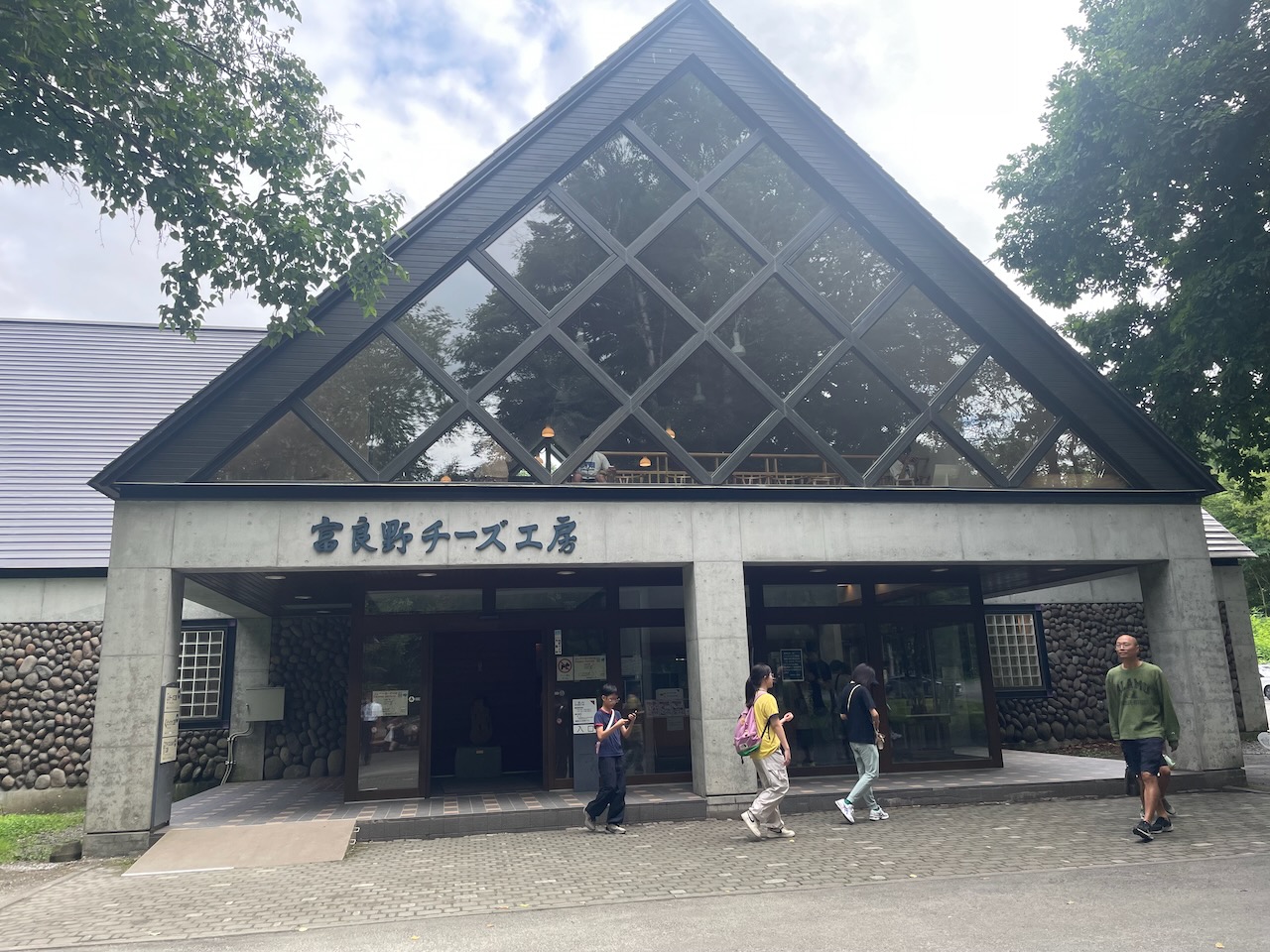
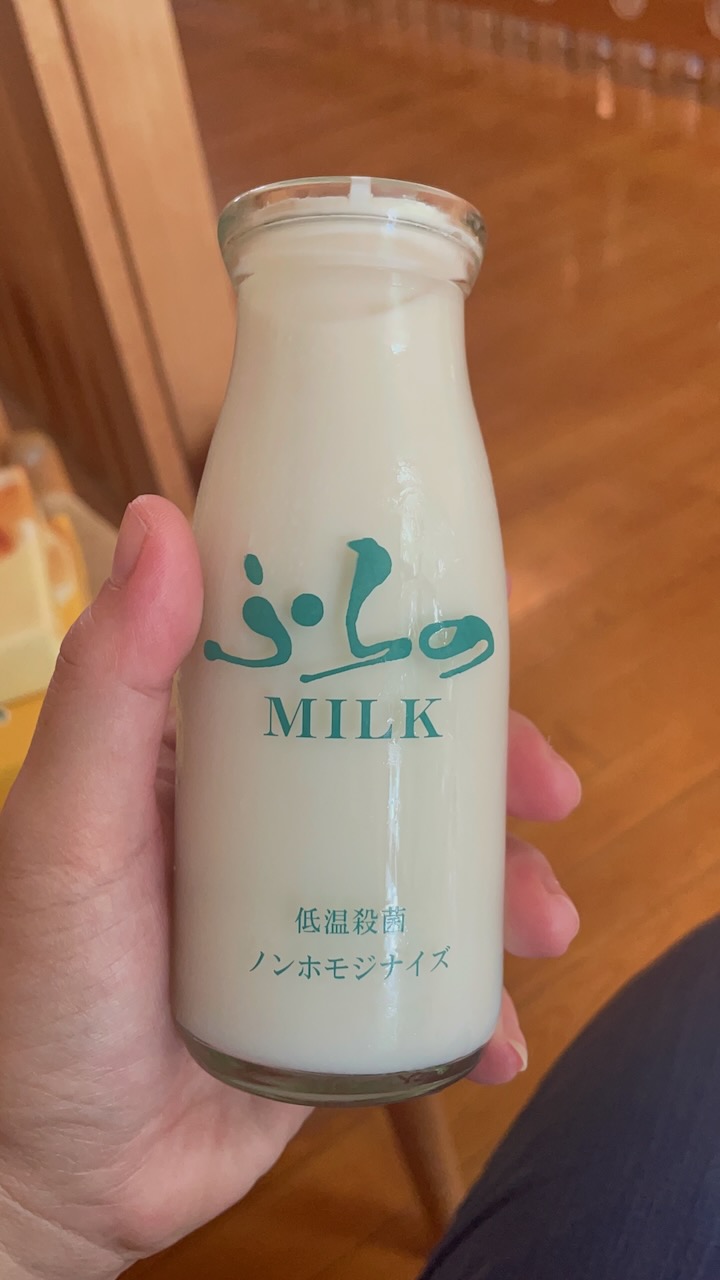
3:00 PM: After Farm Tomita, we headed to the Furano Cheese Factory. Here, you can learn how to make cheese, butter, and even ice cream! While we didn’t join a class this time, we still indulged in some freshly made ce cream, and of course, brought home some cheese. The factory offers a great mix of learning and tasting—perfect for a fun family stop.

Furano Cheese Factory (富良野チーズ工房)
Naka5ku, Furano, Hokkaido 076-0013, Japan
Map Code Used: 550 840 201
http://www.furano-cheese.jp/

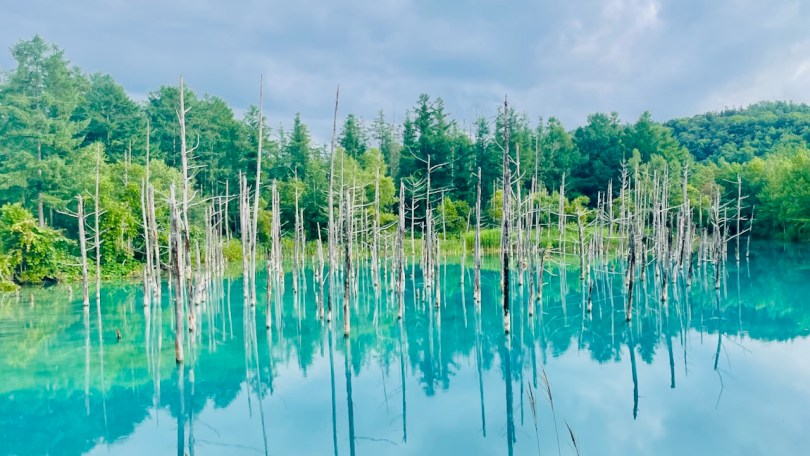
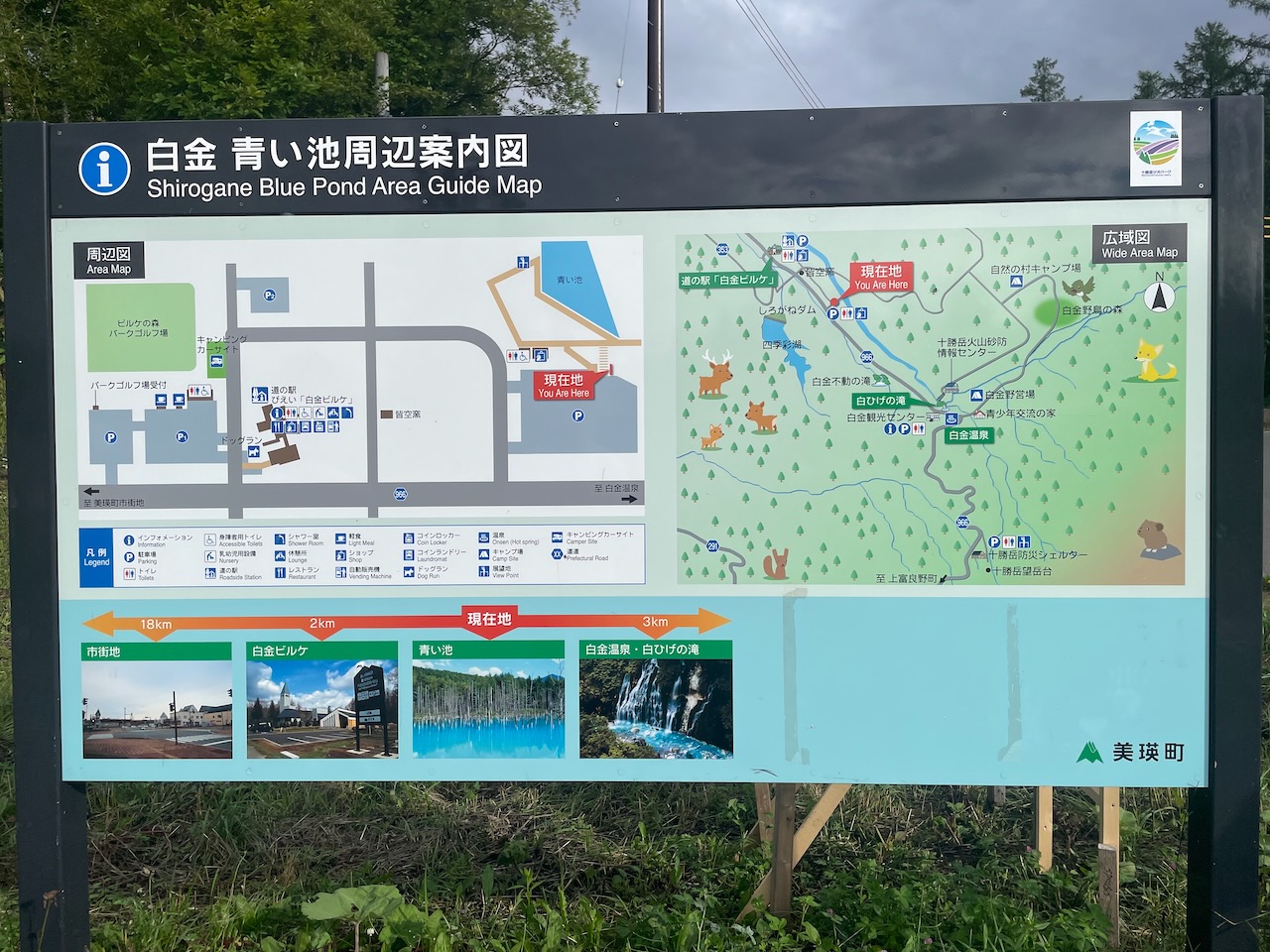
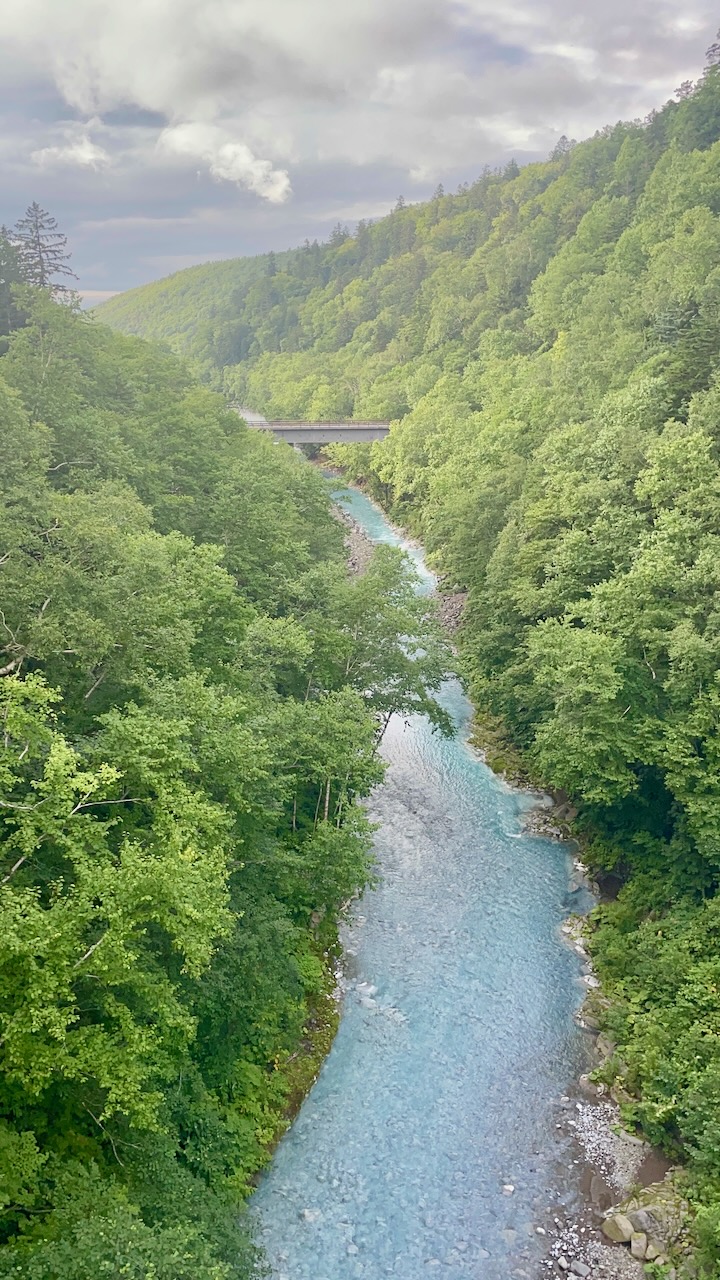
4:30 PM: Next up, we drove to Shirogane Blue Pond. This scenic spot in Biei is famous for its striking blue waters, a natural phenomenon caused by minerals mixing with the water from nearby Shirahige Falls. The color is almost otherworldly—pictures don’t do it justice, you have got to see it for yourself! We spent some time wandering around, soaking in the beauty from different viewpoints. According to JNTO, the pond was accidentally created when water from the nearby falls mixed with aluminum from the cliff.

Not far from the pond are the Shirahige Falls, which are just as stunning, cascading from layers of volcanic rock. The falls get their name from their resemblance to a white beard— ‘Shirahige’ in Japanese. The water flows out from between two rock layers, with the top layer formed from lava flows during volcanic eruptions. The water is crystal clear, and the whole scene feels like something out of a painting.

Shirogane Blue Pond (Aoiike 白金青い池)
Shirogane, Biei, Kamikawa District, Hokkaido 071-0235, Japan
Map Code Used: 349 568 888
https://www.japan.travel/en/sports/snow/snow-travel/blue-pond/
Parking: 500 yen

Shirahige Waterfall (白ひげの滝)
Map Code Used: 796 182 604
Shirogane, Biei, Kamikawa District, Hokkaido 071-0235, Japan

7:00 PM We rounded off our day with a hearty dinner at Asahikawa Ramen Village. This spot brings together some of the region’s best ramen shops, all in one place. We ended up choosing Tenkin—famous for its rich, buttery Asahikawa-style ramen. (My friend got that and I got another.) The corn and butter combination in the soup was a pleasant surprise, adding a unique sweetness to the savory broth. If you’re a ramen lover, this place is an absolute must. We wanted to try a few but the queues were too long to make that possible. 

Asahikawa Ramen Village (あさひかわラーメン村) / Tenkin (Ramen Village) らーめんや天金 ラーメン村店
Map Code Used: 794 104 54
4 Chome-119-48 Nagayama 11 Jo, Asahikawa, Hokkaido 079-8421, Japan

That wraps up Day 2 of our Hokkaido adventure! From flower fields and fruit farms to cheese factories and breathtaking natural scenery, Hokkaido really knows how to keep you entertained (and well-fed). Don’t forget to subscribe for more travel videos and articles!

Hotel – We stayed at Y’s Hotel Asahikawa Station. There’s parking behind the hotel (Map Code Used: 73943232). Remember check with the hotel reception on whether they have parking coupons. What we did not realise was that the hotel can give you a special fixed rate. You can enter and exit as many times as you want during that window before you check out.

Y’s Hotel Asahikawa Station (ワイズホテル 旭川駅前)
〒070-0030 Hokkaido, Asahikawa, Miyashitadori, 9 Chome−2−17 ツルハビルディング 3階~12階https://yshotel-asahikawa.com/

5D5N Hokkaido in Early August! Slightly Late in the Season? Day 1 in Sapporo

Day 1 Summary:

  • Arrival from New Chitose Airport
  • 10:09 AM Train to Sapporo City
  • 11:30 AM Lunch at Sapporo Ichiryuan (ラーメン札幌一粒庵)
  • Daimaru, JR Sapporo Station area, JR Tower
  • Sapporo Clock Tower
  • Sapporo TV Tower
  • (Limited period) Ice Cream Festival at Marui Imai Sapporo Main Store (丸井今井札幌本店)
  • 4:00 PM Sapporo Beer Museum
  • Dinner at Curry Kitchen Onion (カレーキッチン オニオン)

Where to escape the scorching heat of August? Though August may be considered slightly late for a Hokkaido summer escape, the prospect of cooler weather and delicious food had me eagerly anticipating this trip. While June and July are the popular months to visit, Hokkaido still has much to offer in August for those, like me, who seek a slightly off-season adventure.

After an early morning flight into New Chitose Airport, we hopped on the 10:09 AM Sub Rapid Airport Train (区間快速エアポート) to Sapporo. This train arrives earlier than the next Rapid Airport Train (快速エアポート), which departs at 10:20 AM, shaving precious minutes off the journey. The Sub Rapid Airport Train is a 43-minute ride, while the Rapid Airport Train is a 37-minute ride, both costing 1,150円.

Since we were early, we headed to the hotel to drop off our bags. A quick tip! It’s good to check if the hotel allows bag deposit before checking in. Early check-in costs as much as 1,000 yen per hour, and you should let the hotel know at least a day in advance.

Conveniently located near JR Sapporo Station, our hotel allowed us to quickly venture out for lunch. We stumbled upon a ramen gem specializing in miso ramen:

Sapporo Ichiryuan (ラーメン札幌一粒庵)
〒060-0004 Hokkaido, Sapporo, Chuo Ward, Kita 4 Jonishi, 1 Chome−1番 ホクレンビル 地下1階

Their specialty, the Genki no deru miso ramen (元気のでるみそラーメン), is a must-try, especially for garlic and miso lovers. Instead of the large chashu slices, the pork is finely chopped and blended into the rich, fragrant broth. Loved it! What you see in the picture is a small.

After a satisfying lunch, we strolled through the nearby JR Tower and Daimaru. Here, you can get souvenirs from all across Hokkaido. Make sure to try the creamy and smooth soft serve from Sapporo Agricultural College—it’s the creamiest I’ve ever had!

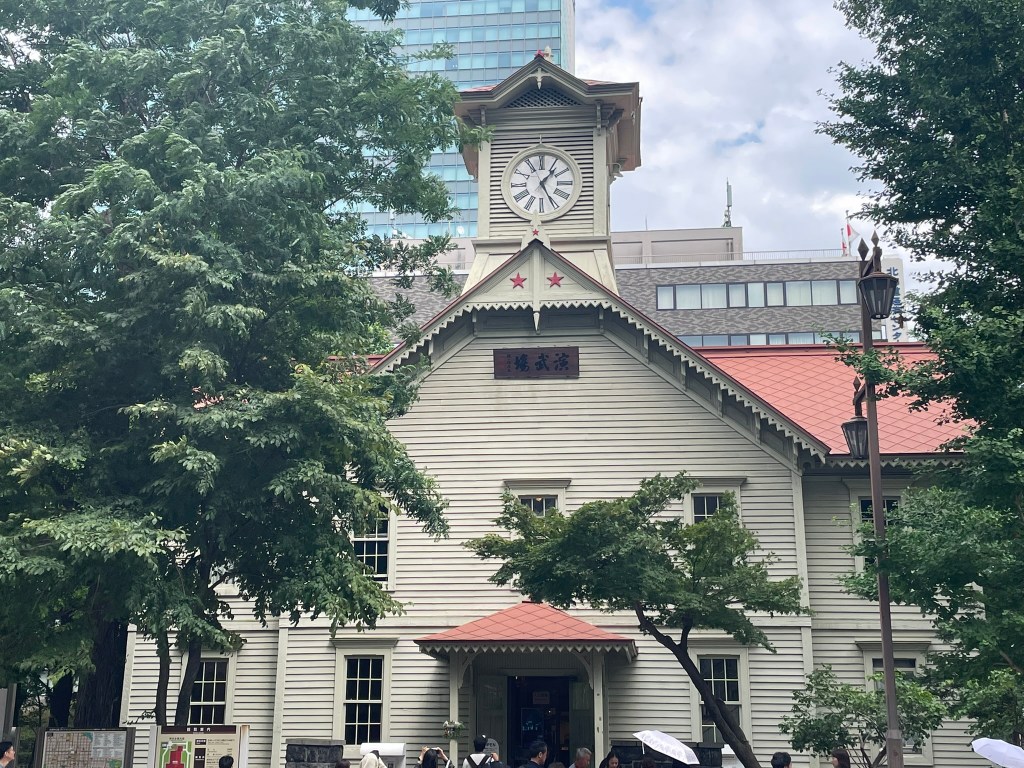
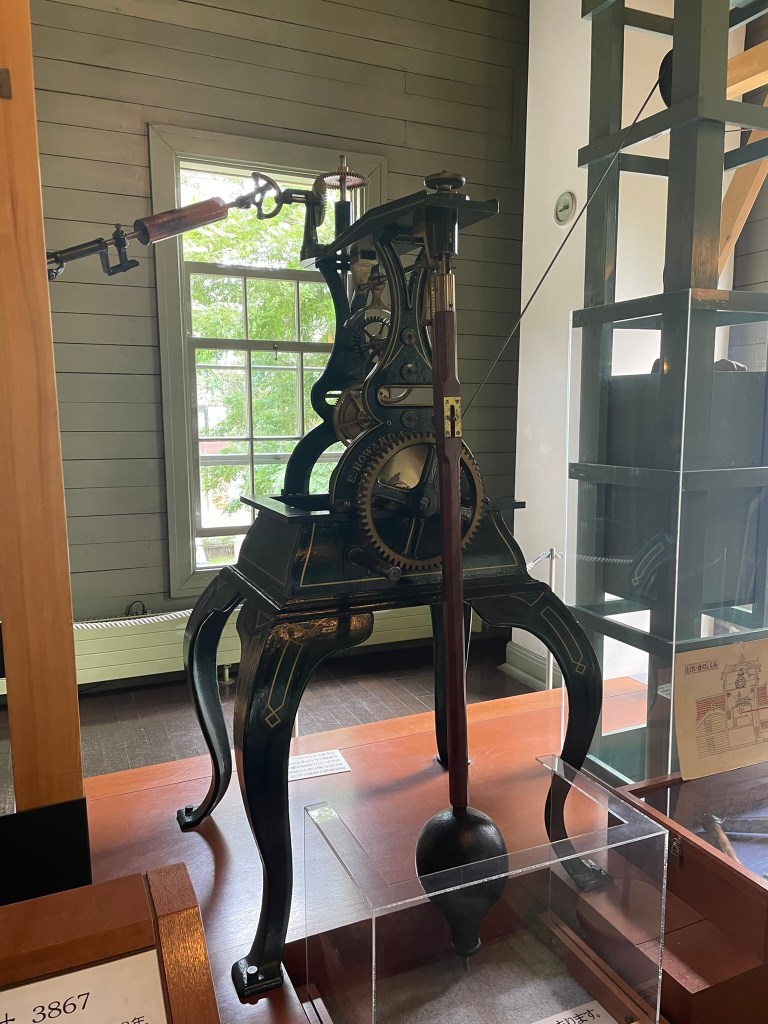
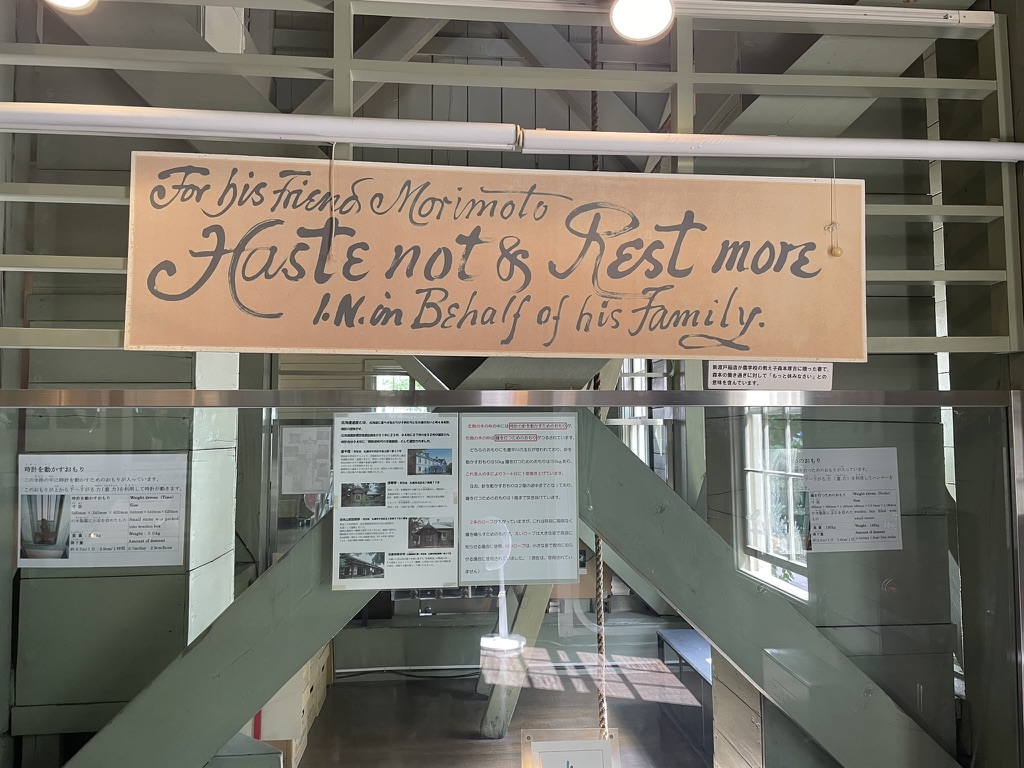
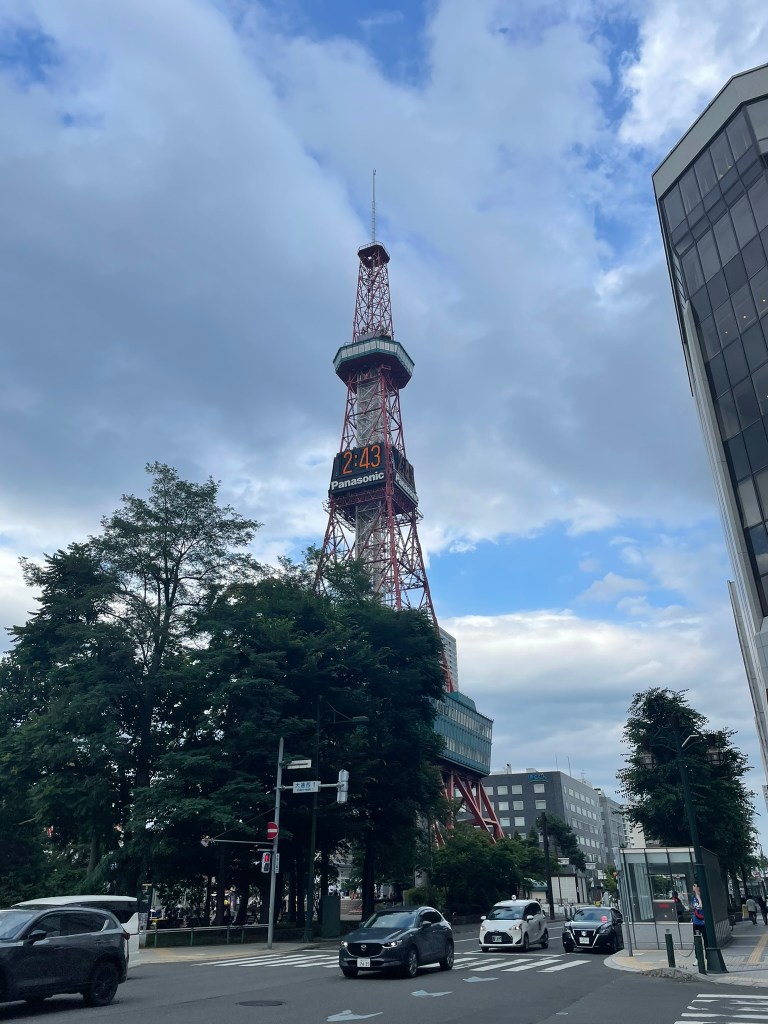
After this delightful treat, we set off to explore Sapporo’s historic landmarks: the Sapporo Clock Tower (時計台, Tokeidai), constructed in 1878, and the Sapporo TV Tower (さっぽろテレビ塔), built in the 1950s. The Sapporo Clock Tower, a symbol of the city’s Western influences during the Meiji era, stands as a testament to Hokkaido’s rich history. Its simple yet elegant design, coupled with the rhythmic ticking of its century-old mechanism, offers a quiet moment in modern Sapporo.

If you plan to visit both the Clock Tower and TV Tower, consider getting the combined ticket for 1,100 yen, saving you 100 yen. If you only choose one, the Clock Tower (200 yen) is worth it for a glimpse into Sapporo’s past.

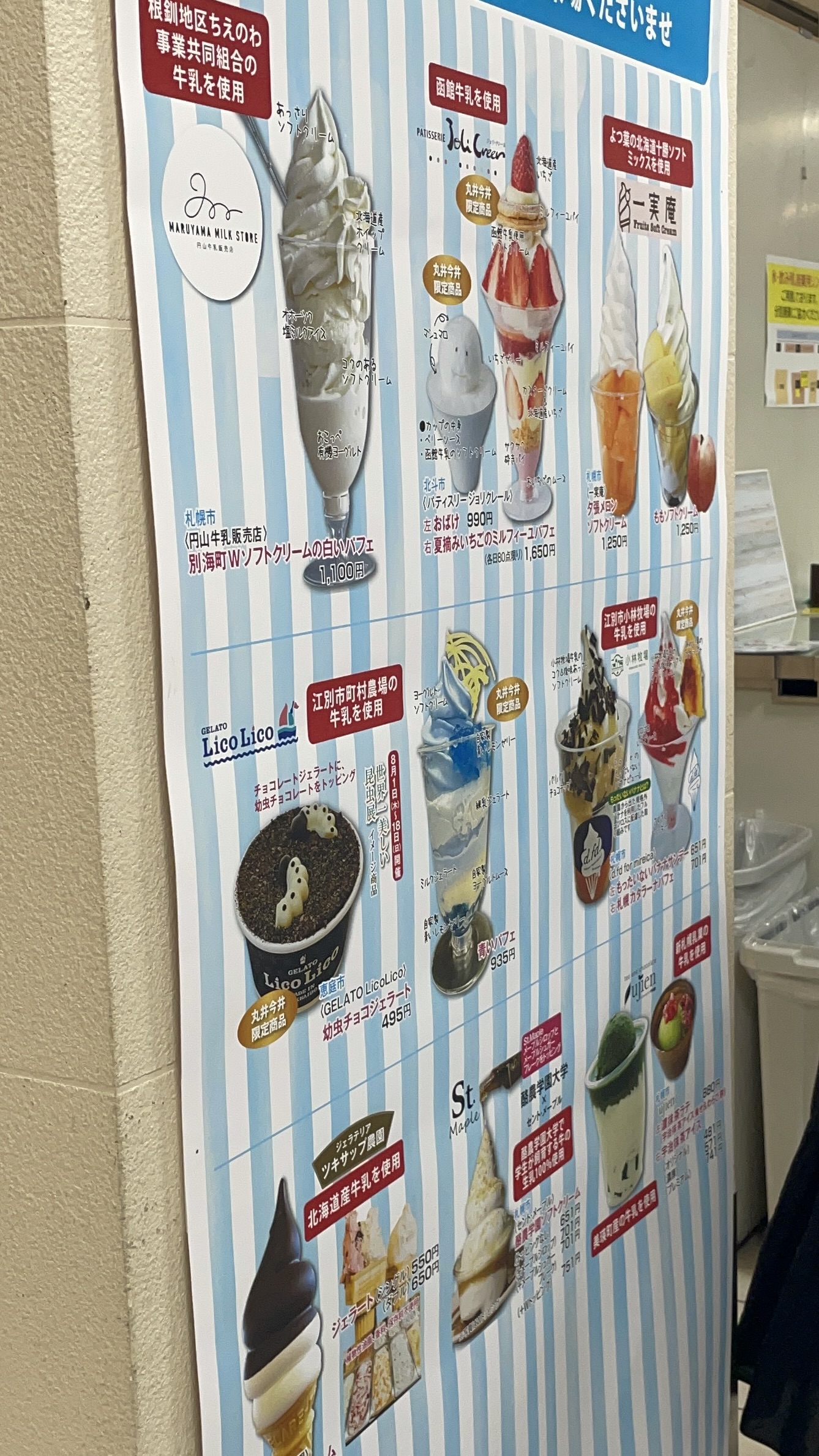
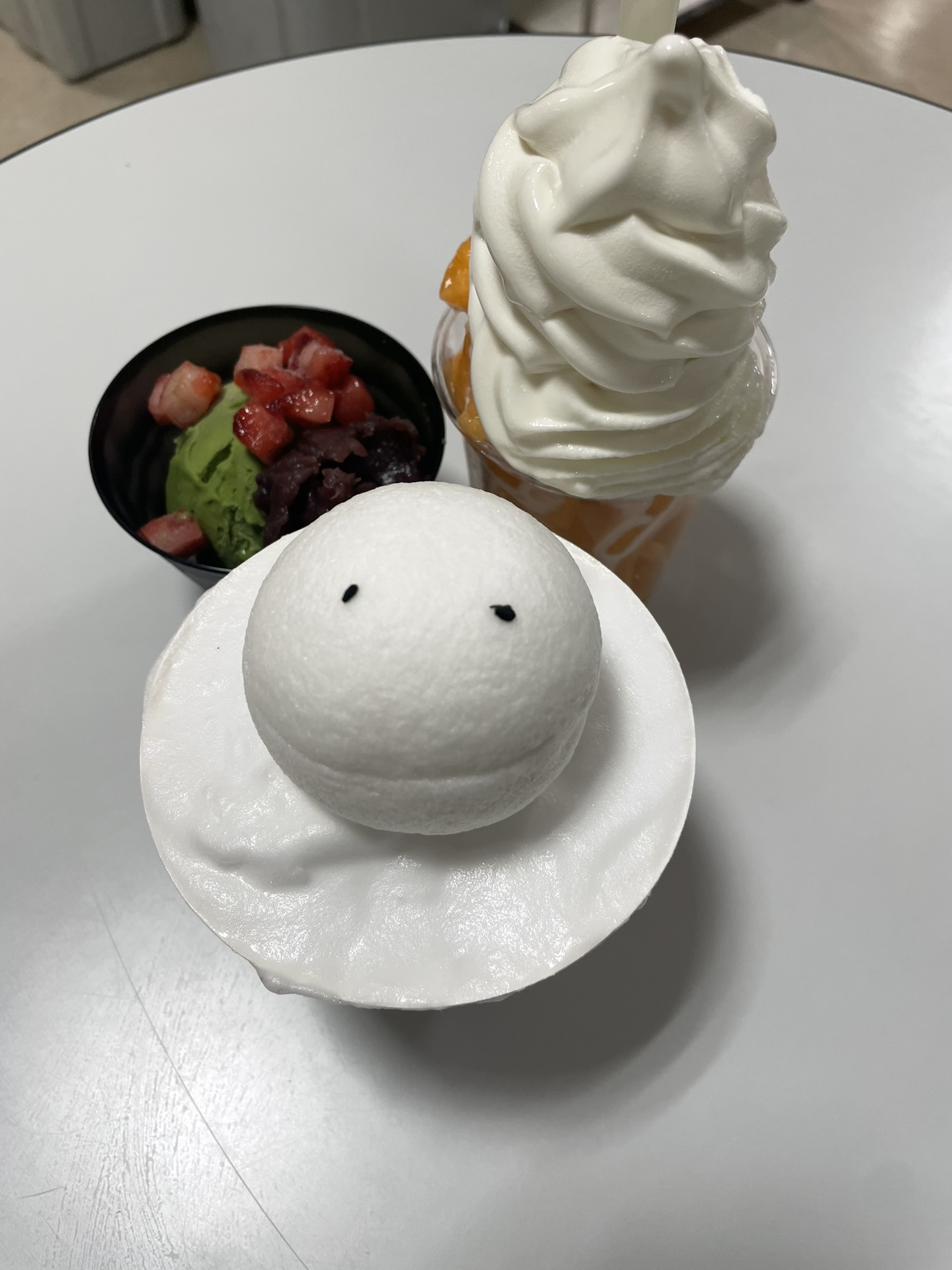
We were in luck, as an ice cream festival was happening at Marui Imai Sapporo Main Store (丸井今井札幌本店). Hokkaido is famous for its dairy products, so we decided to join in to see what was offered. And the ice cream was yummy! Note that this is for a limited period only!

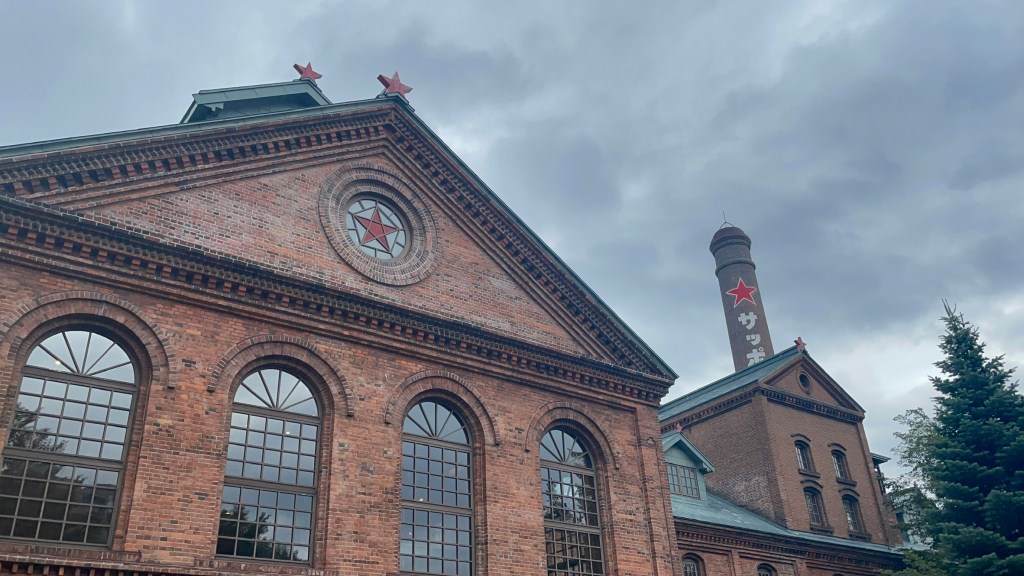
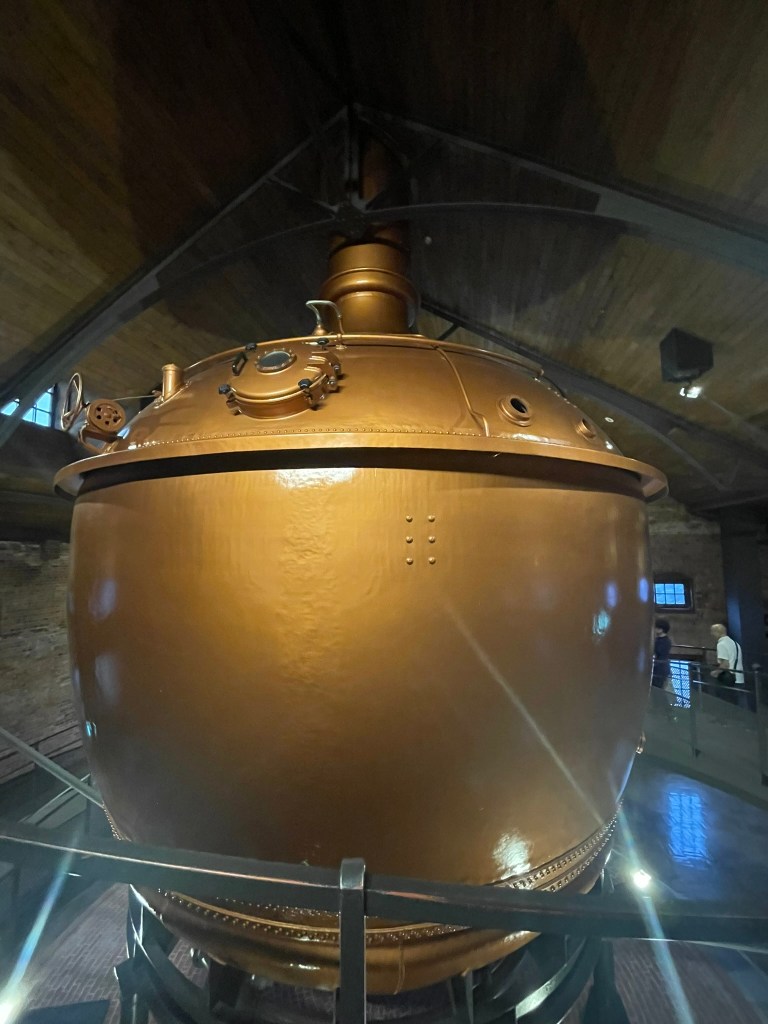
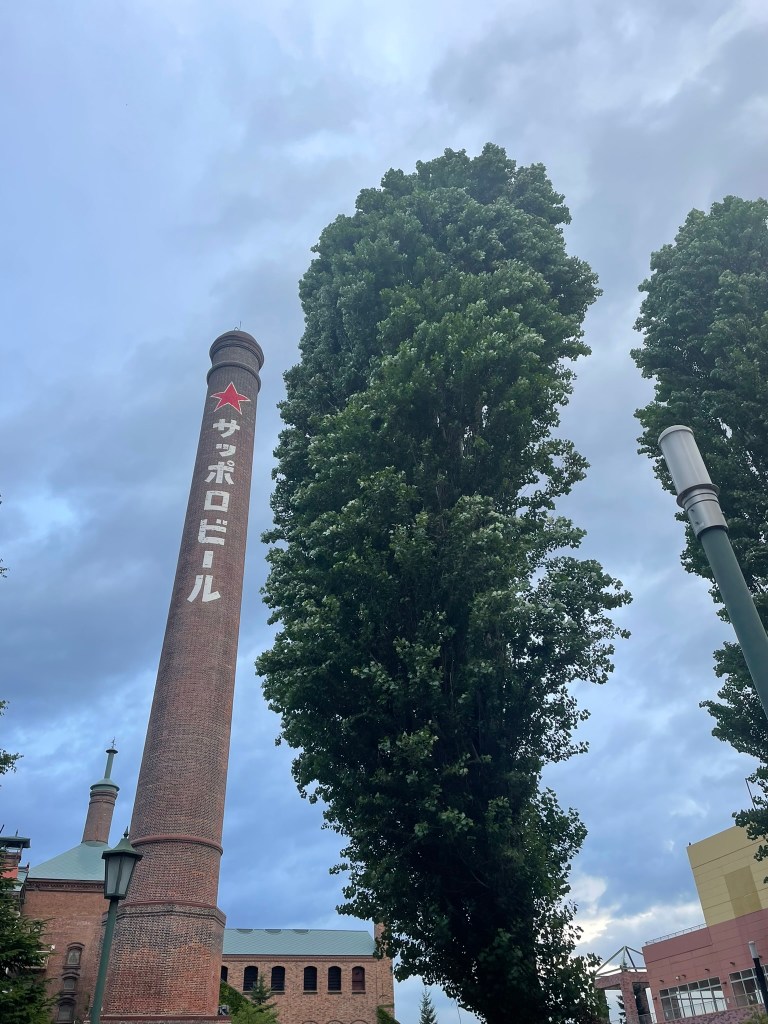
Afterwards, we checked into our hotel to freshen up before heading to the Sapporo Beer Museum (サッポロビール博物館) and Beer Garden. A must-visit for beer enthusiasts, the museum offers a fascinating look at the history of Sapporo beer, including how Black Label got its name and the brewing process behind it. While we opted for a more flexible itinerary, the premium tour (1,000 yen for a 50-minute tour and tasting) is worth considering. Post-tour, you can enjoy tastings of their original brew (Kaitakushi), classic, and Black Label beers. There’s also a beer garden and a shopping mall if you’d like to settle dinner here.

Museum Hours:

Dinner was another delightful find:

Curry Kitchen Onion (カレーキッチン オニオン)
4 Chome-28-49 Kita 7 Johigashi, Higashi Ward, Sapporo, Hokkaido 060-0907, Japan

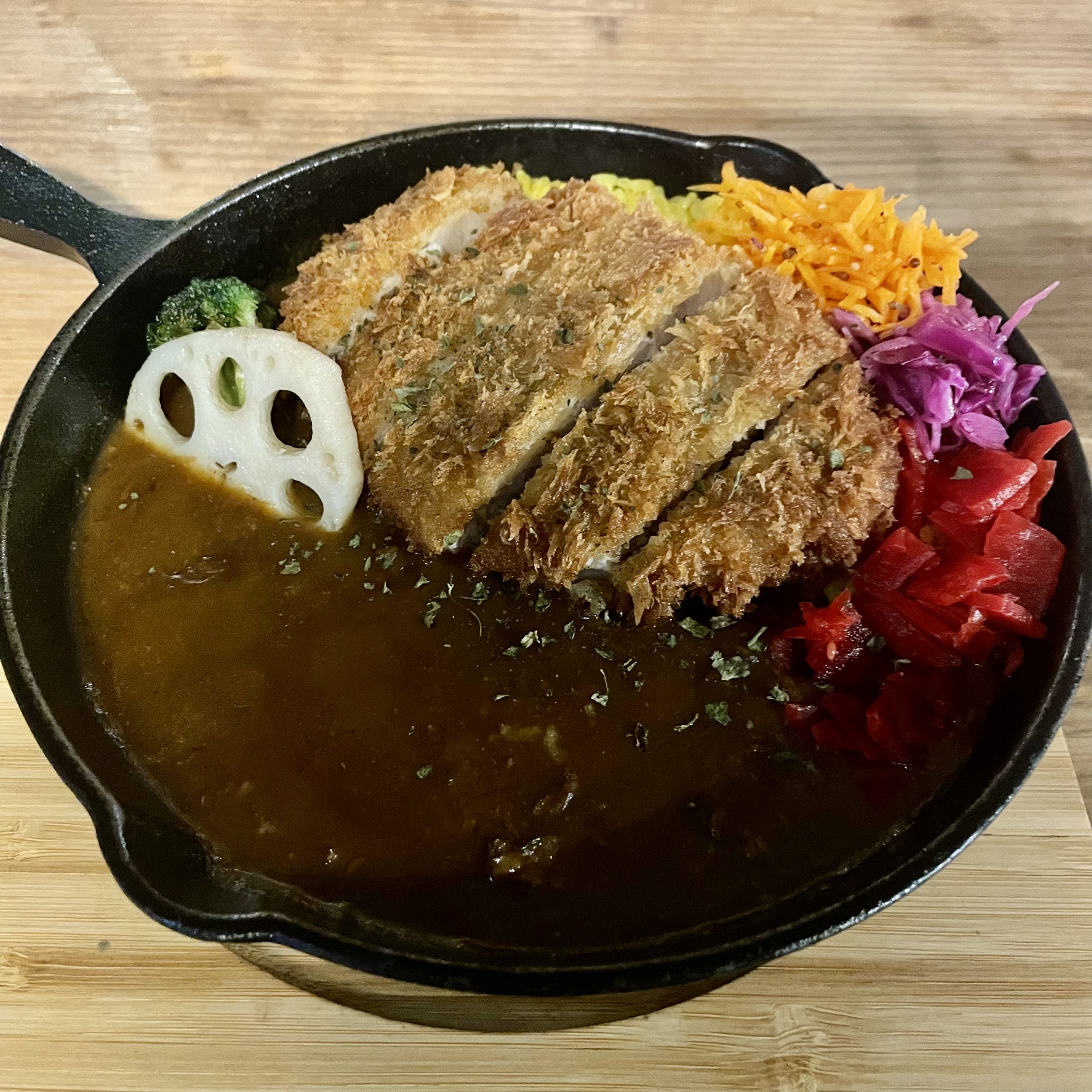
We tried both the beef curry and dry chicken curry. They were flavorful and aromatic. After dinner, we had an early night to rest for the drive tomorrow!

From the rich miso ramen to the crisp taste of freshly brewed beer, coupled with the city’s blend of old and new, Sapporo is a great first stop in Hokkaido.

Niigata: A Hidden Gem in Japan – 5D4N – Day 4/5

Day 4/5: Minami-Uonuma 南魚沼: A Serene Escape

Itinerary

  • Travel to Ogi and back
  • 9:30AM Depart Ryotsu Port 両津 to Niigata Port 新潟 on Sado Kisen Jetfoil 佐渡汽船 ジェットフォイル
  • 10:37AM Arrive at Niigata Port 新潟
  • Lunch at Niigata
  • 1:03PM Depart Niigata Station 新潟駅 to Echigo Yuzawa Station 越後湯沢駅 on Jōetsu Shinkansen Toki 62
  • 1:46PM Arrive at Echigo Yuzawa Station 越後湯沢駅
  • Ponshukan Sake Museum
  • 3:15PM Bus to Ryugon 龍言
  • 5:00PM Dinner at Ryugon
  • 8:30PM Shamizen Performance at Ryugon

Next Day

  • 8:00AM Breakfast at Ryugon
  • 10:30AM Travel to Hakkaisan Yukimuro
  • 12NN Lunch at Echigo Winery

The last part of our Niigata trip was spent in Minami-Uonuma. Two key destination points are Hakkaisan and Ryugon.

Morning – Sado Island

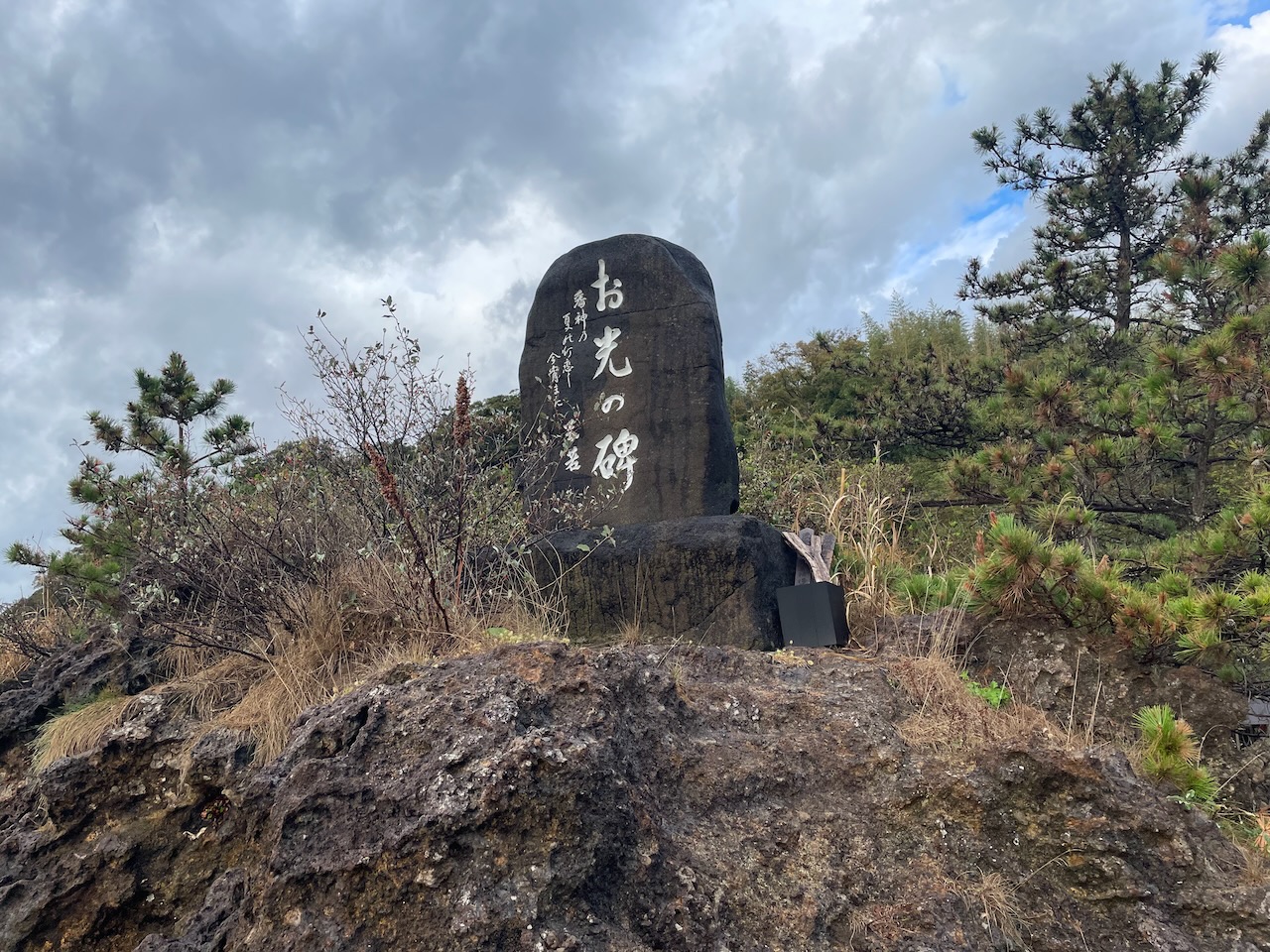
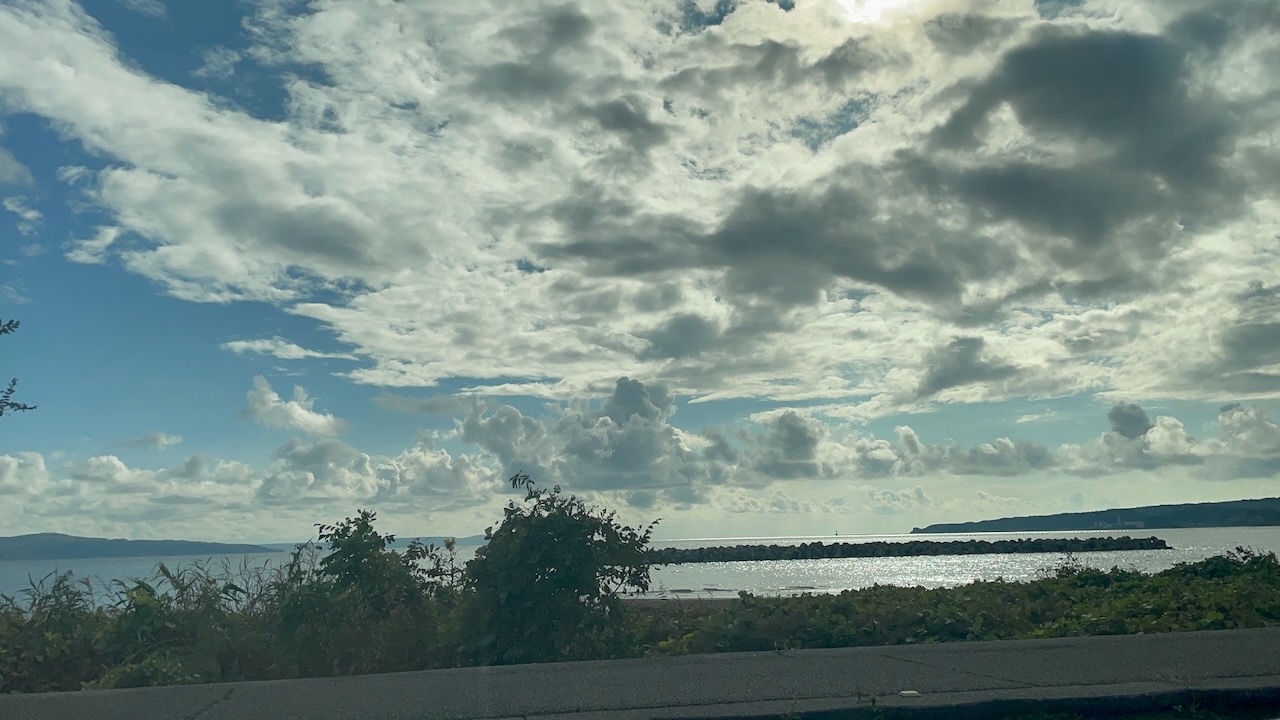
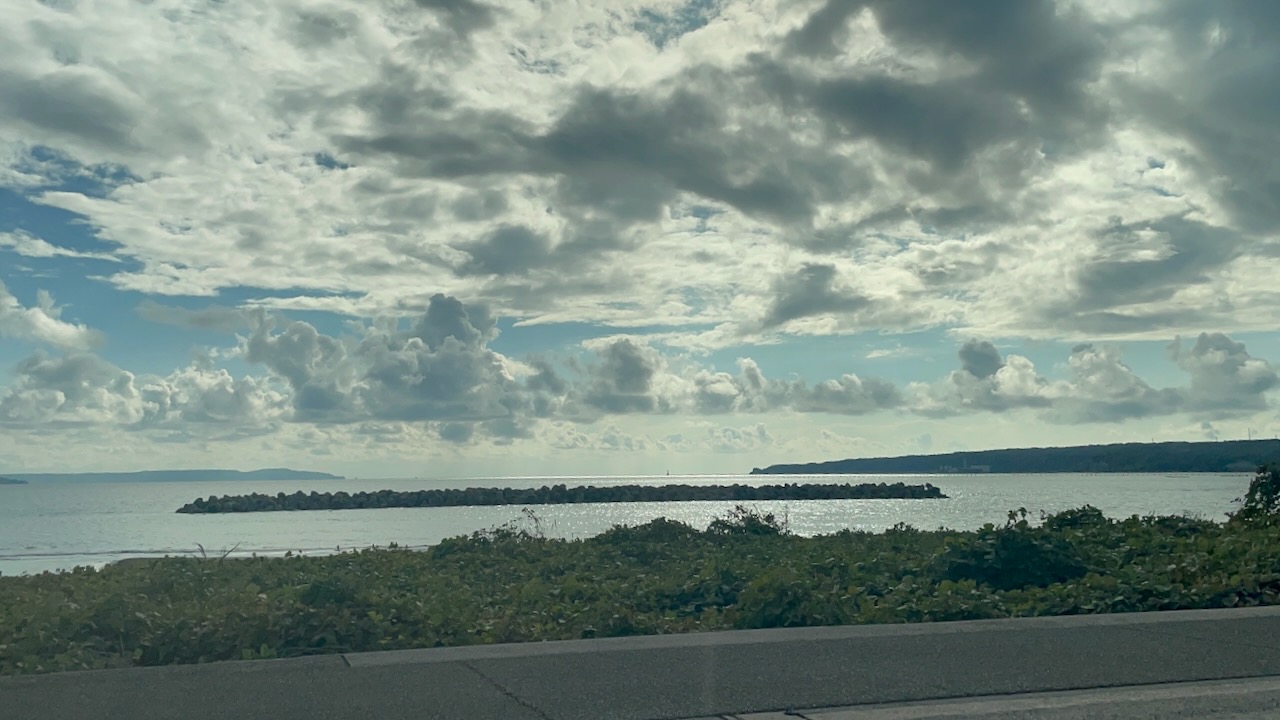
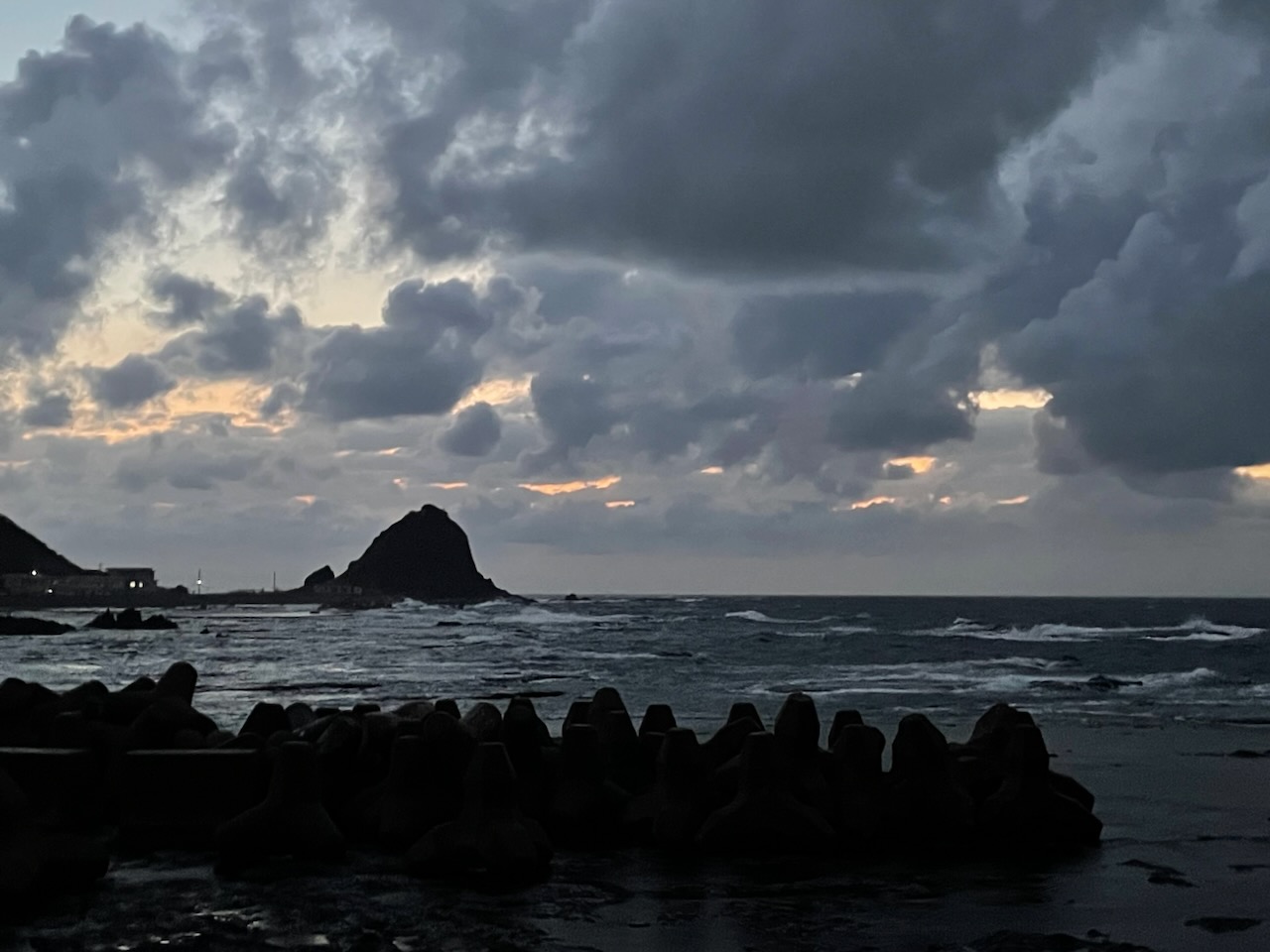
Before we headed to Minami-Uonuma, we took a quick ride around Sado to the beautiful coastal view of Shukunegi and then to the port.

Sado Island has two ports, Ryotsu Port, which connects to Niigata city (Niigata Port) and Ogi Port, which connects to Joetsu (Naoetsu Port). Do note that the ferry route to Naoetsu does not run throughout the year. Remember to check the Sado Kisen site on ferry timings and availability. This trip, we decided to take the ferry (Jetfoil) back to Niigata Port.

There are many options before heading to Minami-Uonuma. The option we took is to have lunch at Niigata City, travel to Echigo Yuzawa then the Ponshukan at Yuzawa Station to grab the free ride to Ryugon. You could also consider lunch at Niigata, Ponshukan at Niigata and walk around Niigata before taking train to Muikamachi Station, or spend more time on Sado.

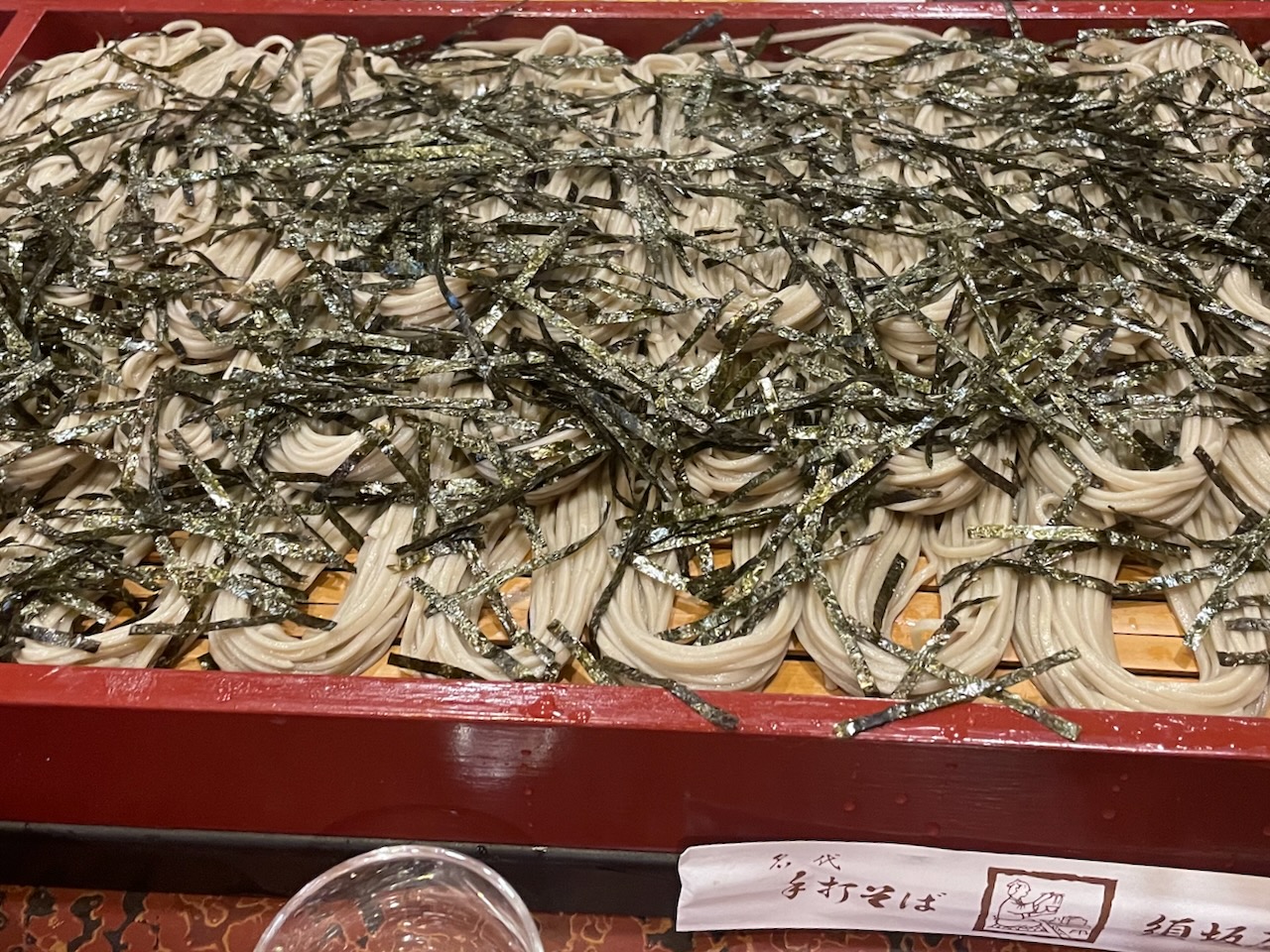
You can choose between sushi or soba in Niigata City, though many sushi restaurants do not open on Sunday in Niigata.

Lunch – Suzakaya Soba Niigata Station 須坂屋そば 新潟駅前店

〒950-0901 Niigata, Chuo Ward, Benten, 1 Chome−4−29 1F~3F IMAビル

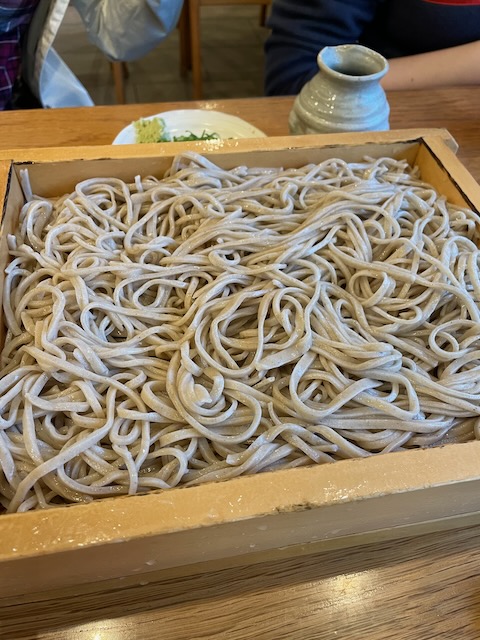
Yum yum, hegi soba.

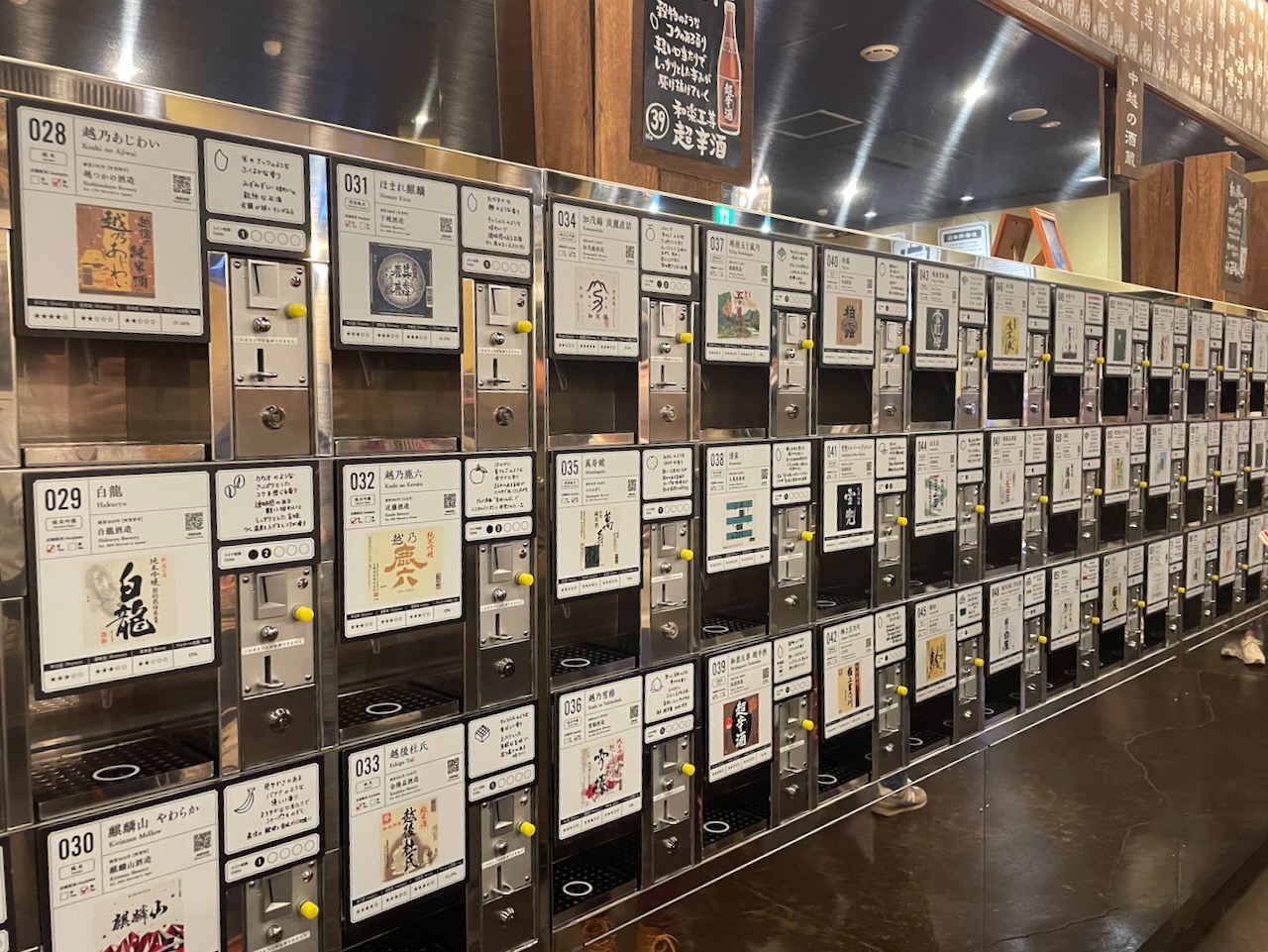
Ponshukan Echigo Yuzawa Sake Museum ぽんしゅ館

〒949-6101 2427-3 Yuzawa, Yuzawamachi, Minamiuonuma, Niigata

Here you get to try all sorts of Nihon-shu or sake! You get 5 coins for 500 yen. Sake are charged between 1 to 3 coins each. Just place your cup, insert coins and press the button to dispense. There are rankings and staff recommendations if you cannot decide.

Stay – Ryugon 龍言

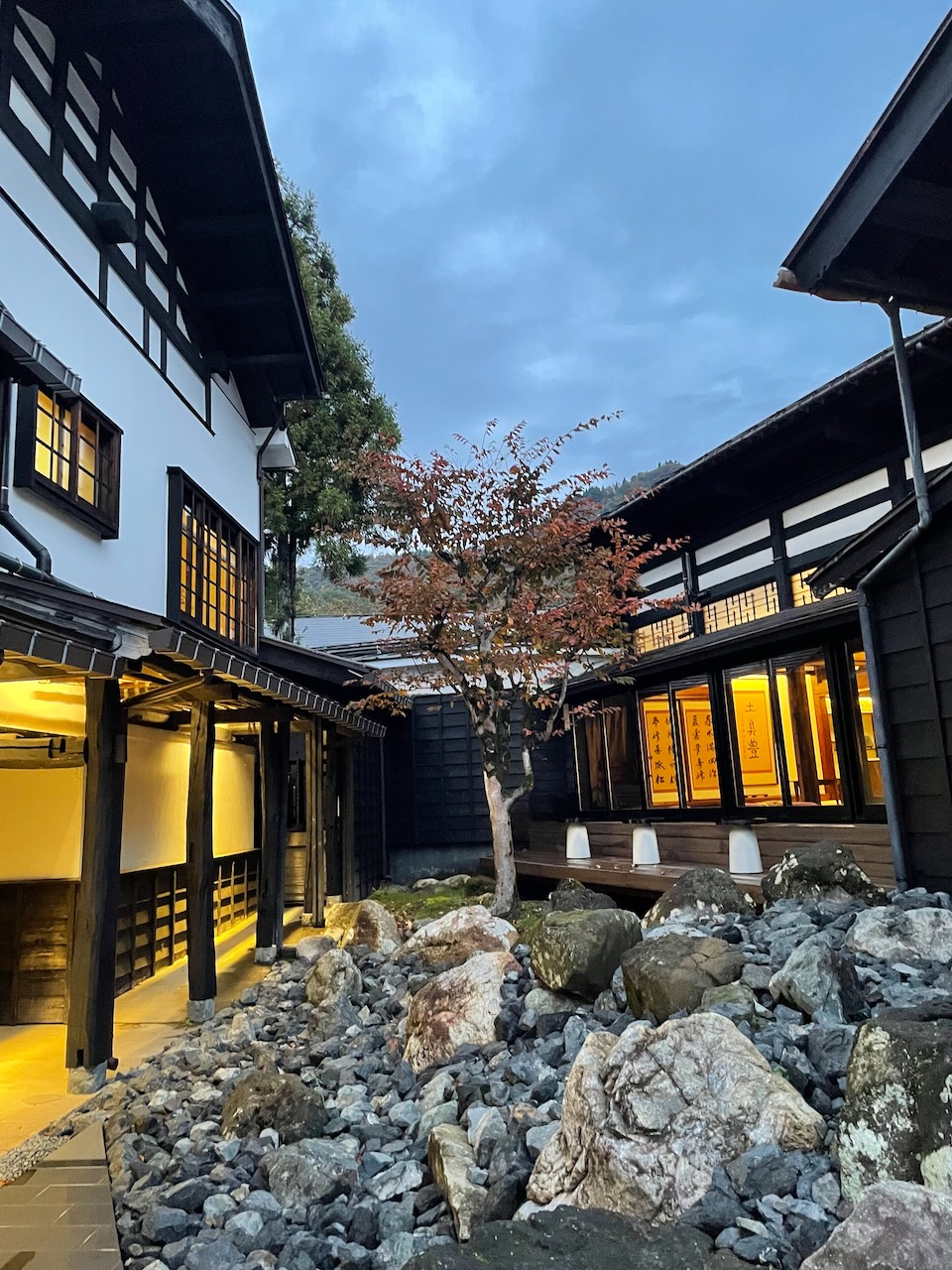
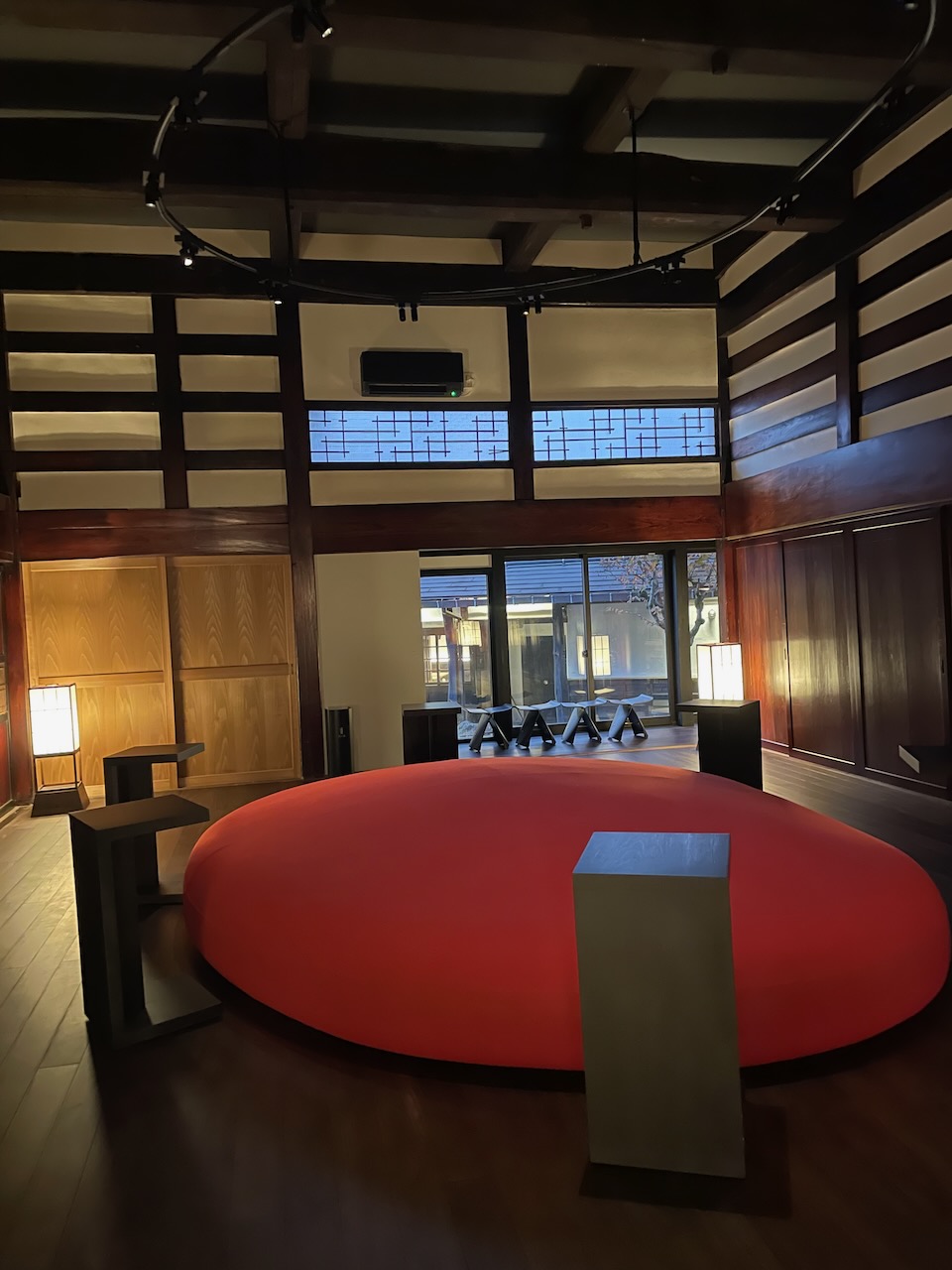
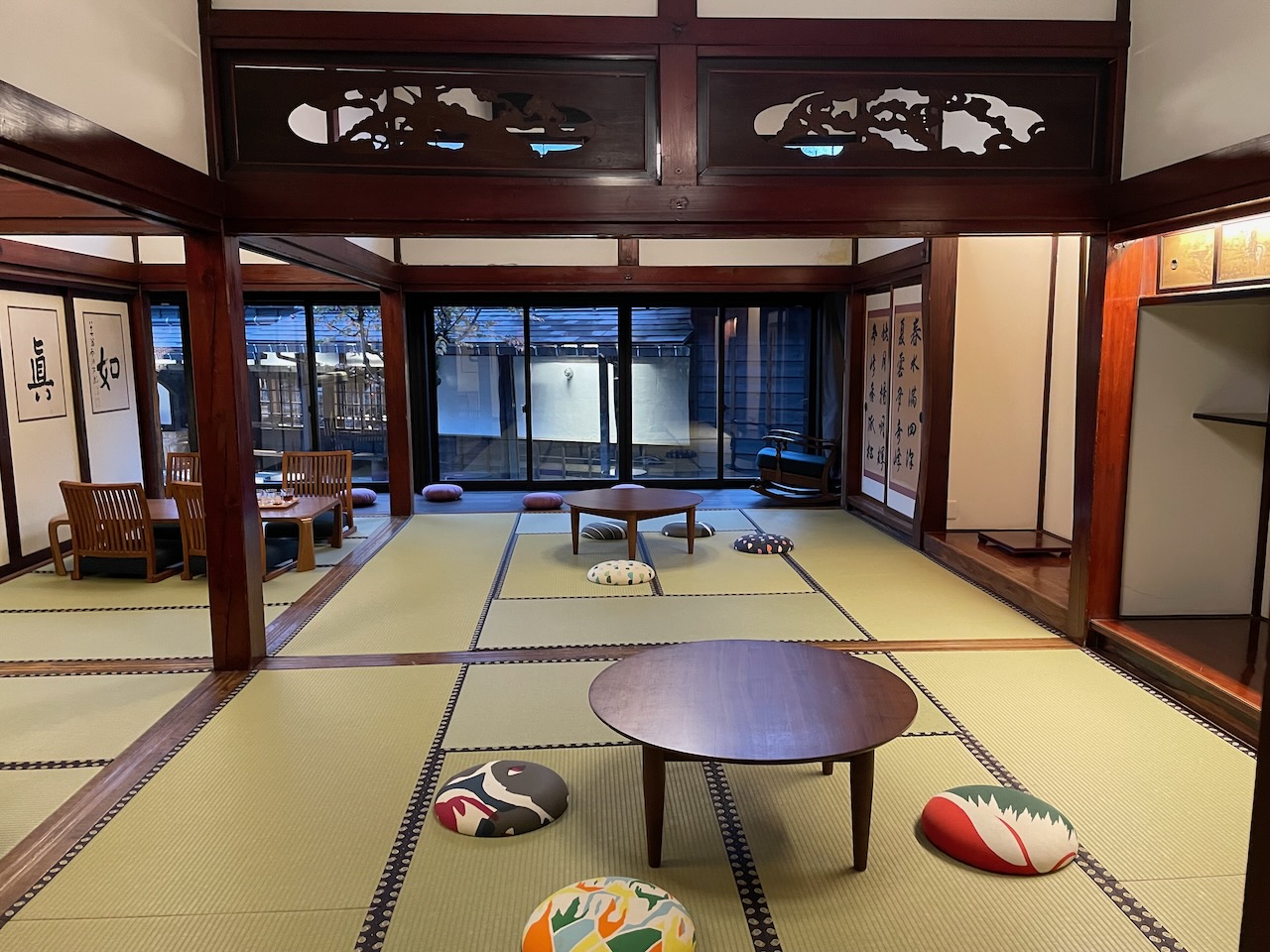
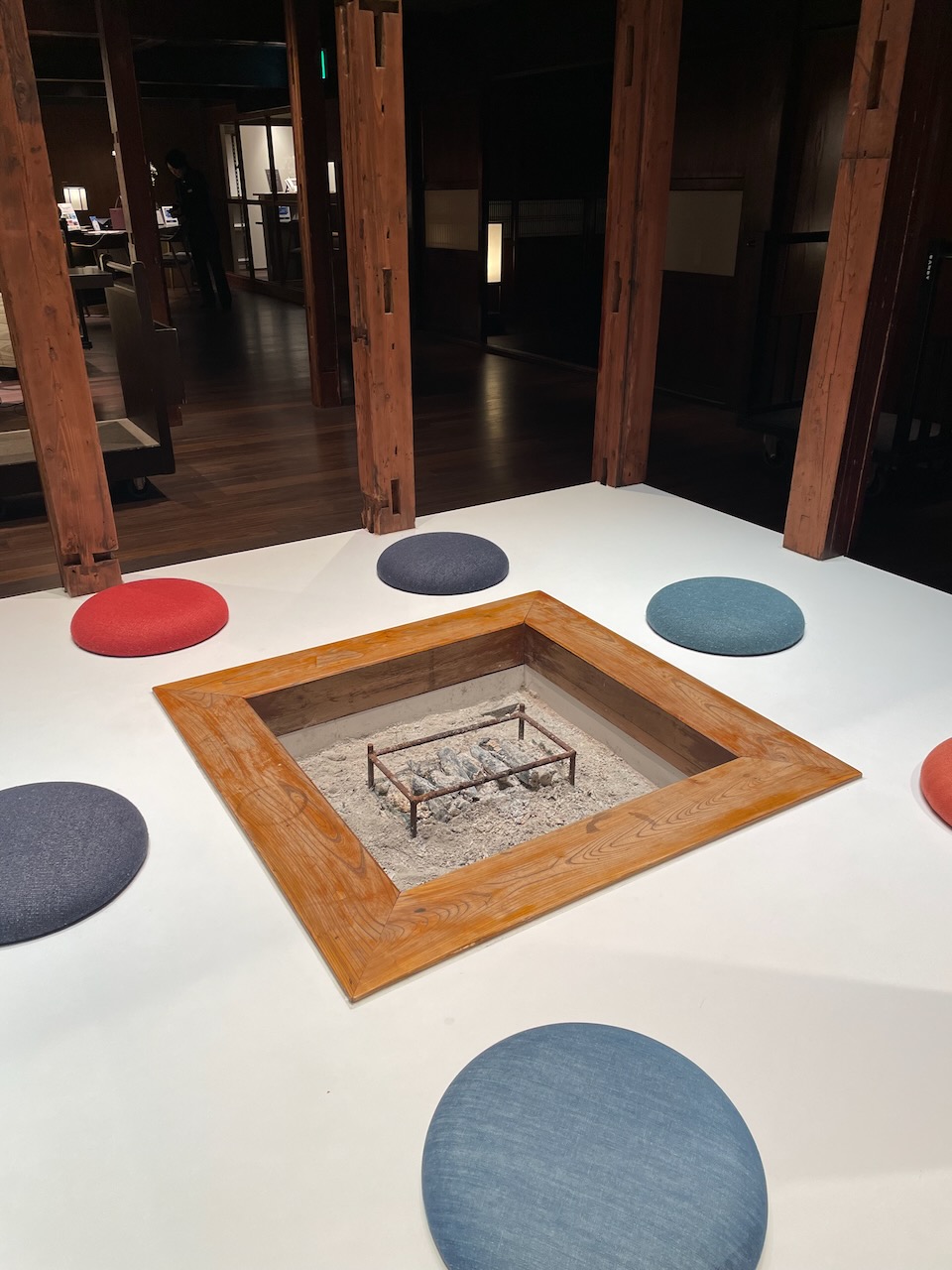
The stay at Ryugon Ryokan was nothing short of enchanting. This traditional Japanese inn provided a tranquil escape from the hustle and bustle of everyday life. The serene atmosphere, combined with the impeccable service and attention to detail, made for an unforgettable experience. The ryokan’s exquisite gardens and soothing hot springs allows for a good relaxation.

Ryugon, located in Minami Uonuma, Niigata, is a historic building situated at the foot of Mount Sakado. It has a rich history. It is named Ryugon as it was built on the ruins of Ryugon temple which was a branch temple of the ancestral temple Unto-an of Nagao Masagake, brother-in-law to Uesugi Kenshin, former lord of Sakado Castle. Originally a branch temple, it now showcases unique folk architecture from the region.

After withstanding harsh winters of Niigata, Ryugon underwent renovations into an onsen ryokan with a focus on the “Snow Country Culture”. The rejuvenated Ryugon offers a blend of tradition and modernity, providing a serene escape for guests seeking a unique experience in the snowiest region of Japan.

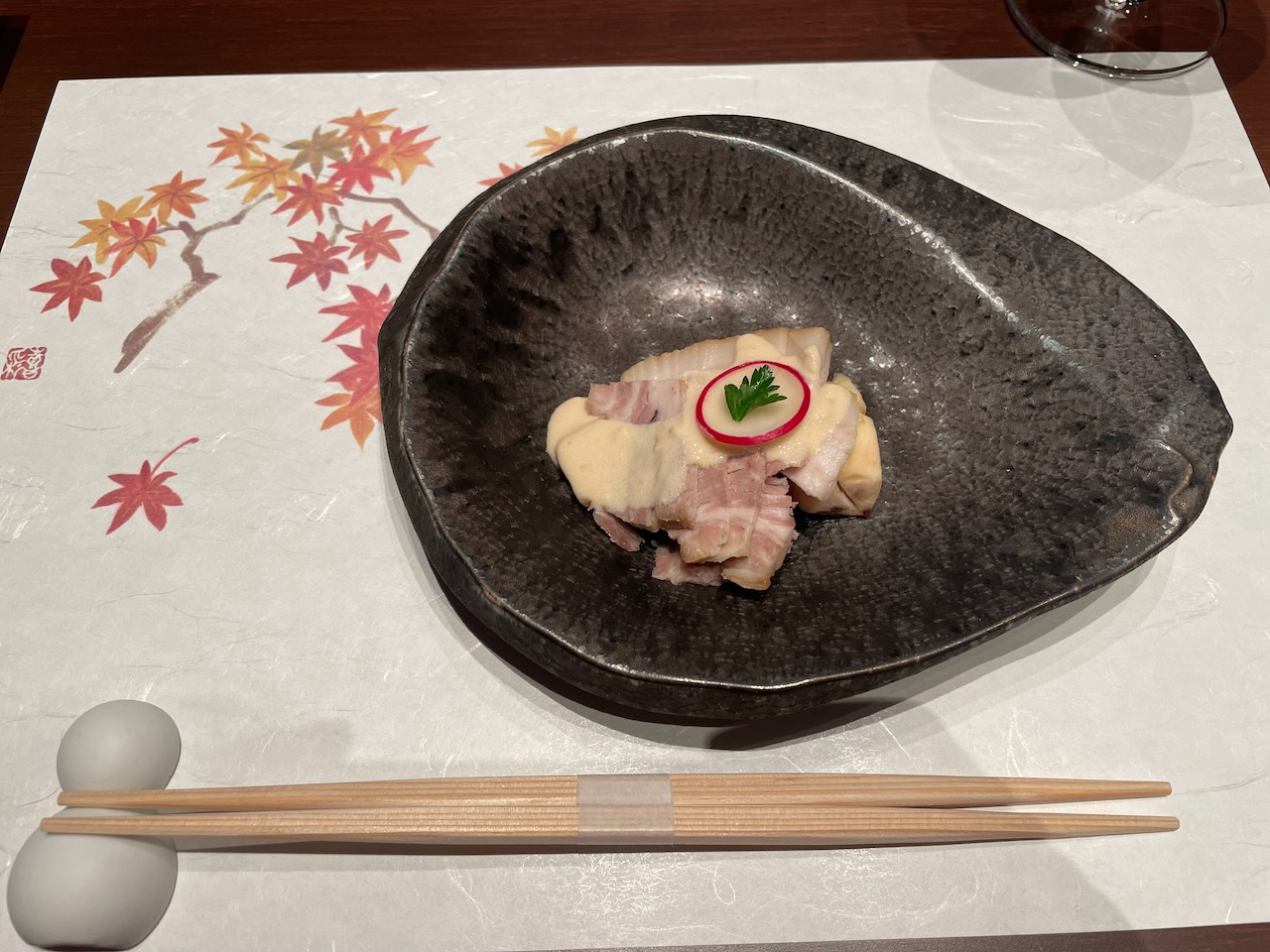
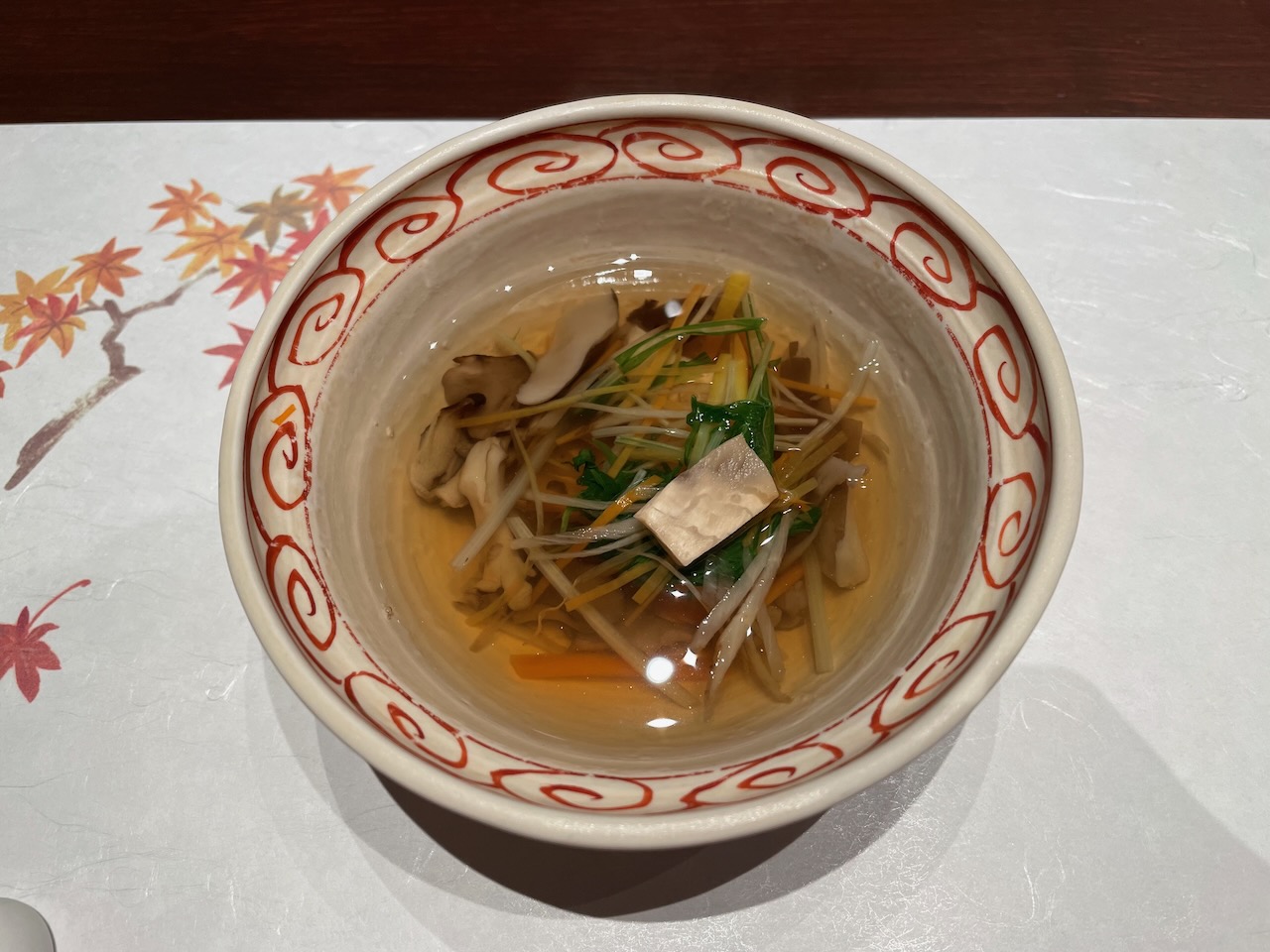
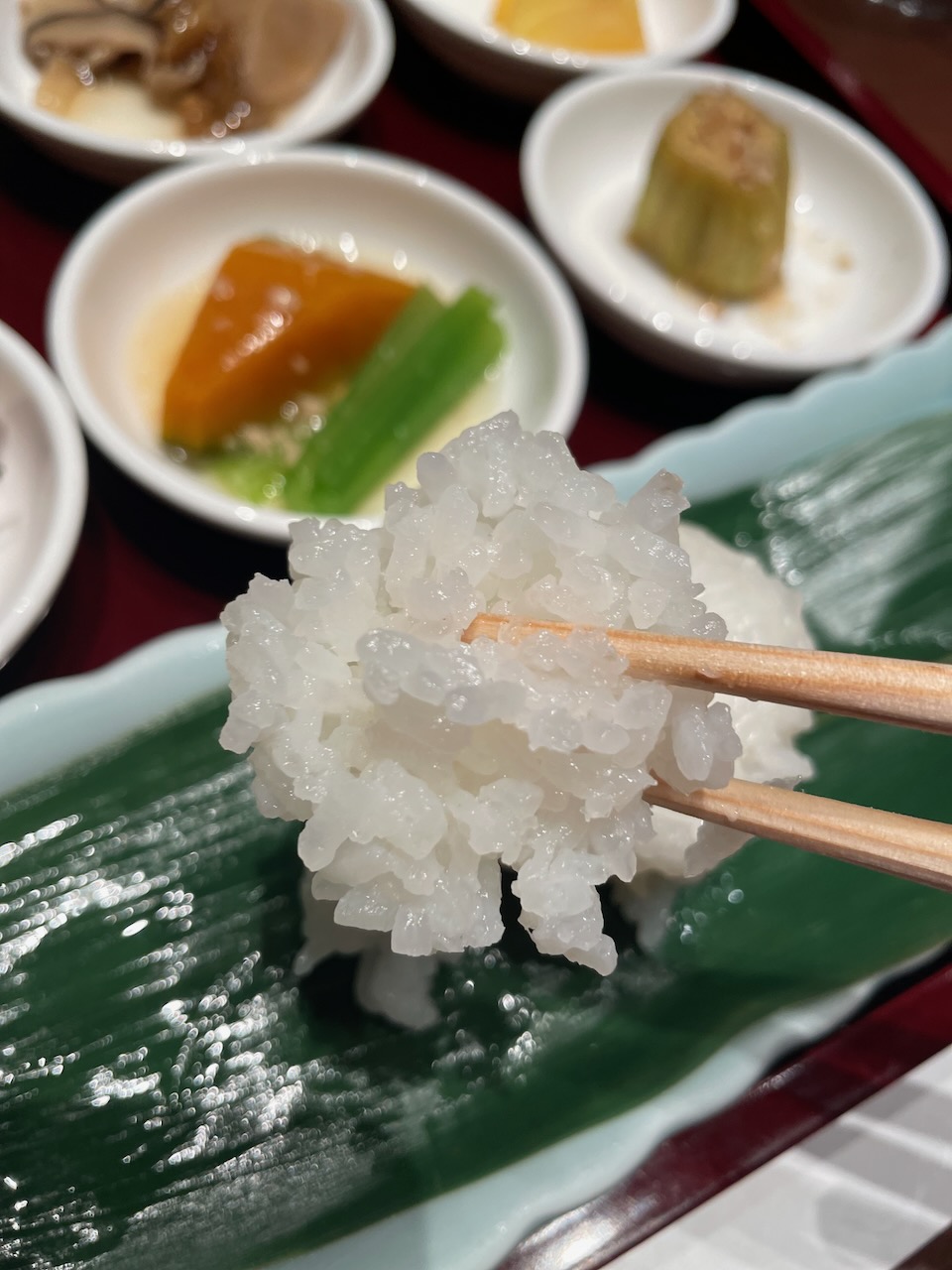
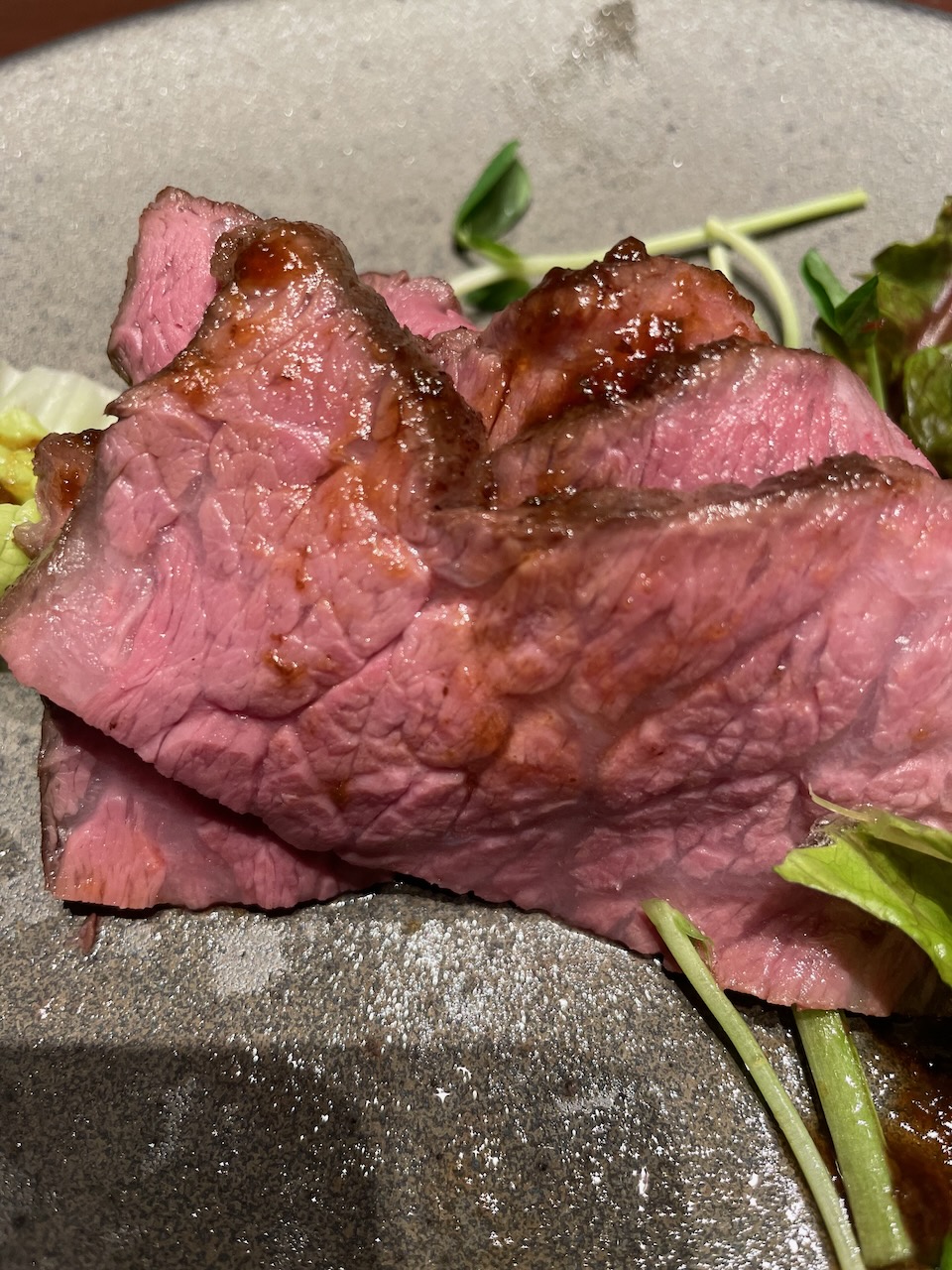
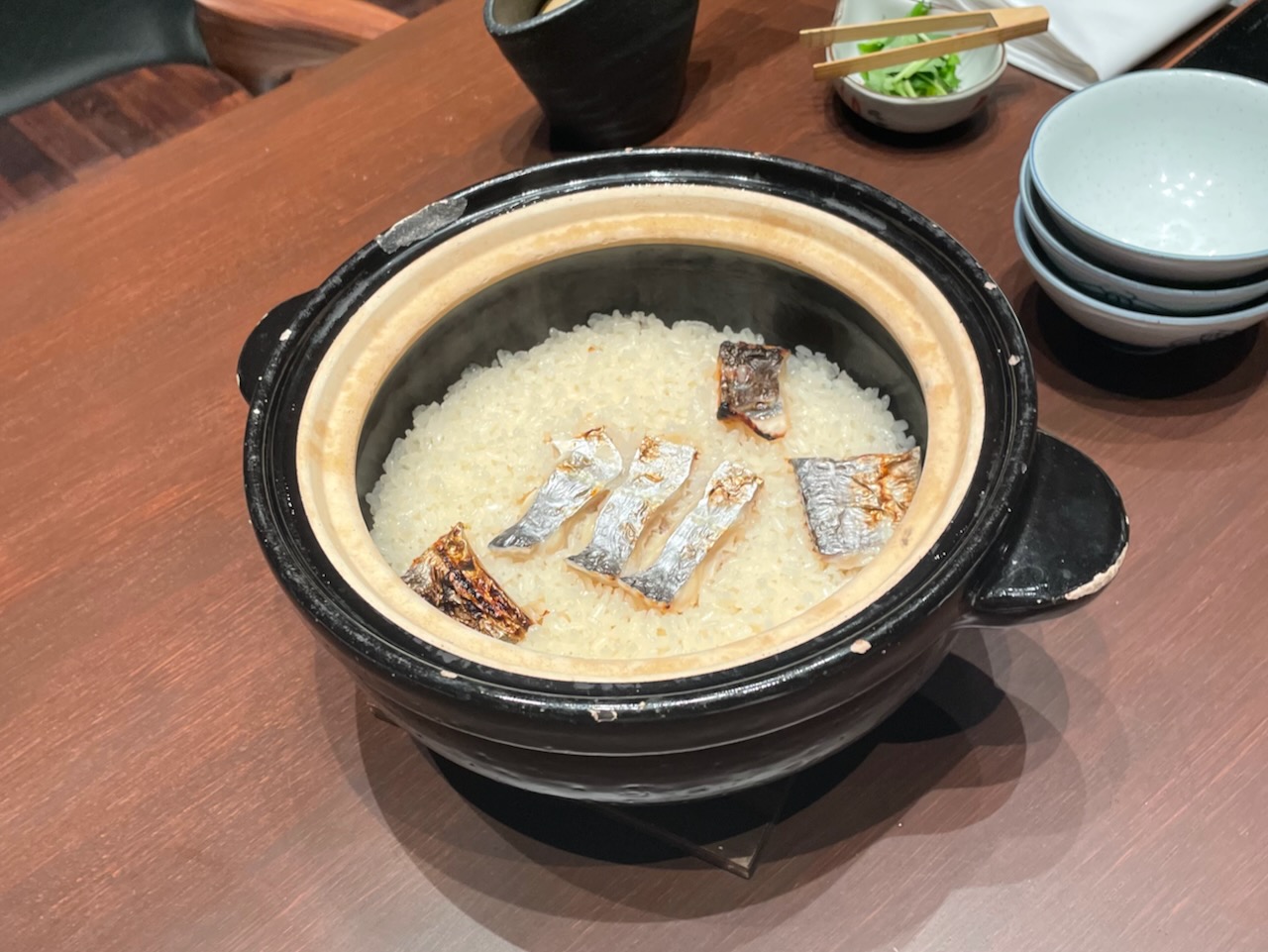
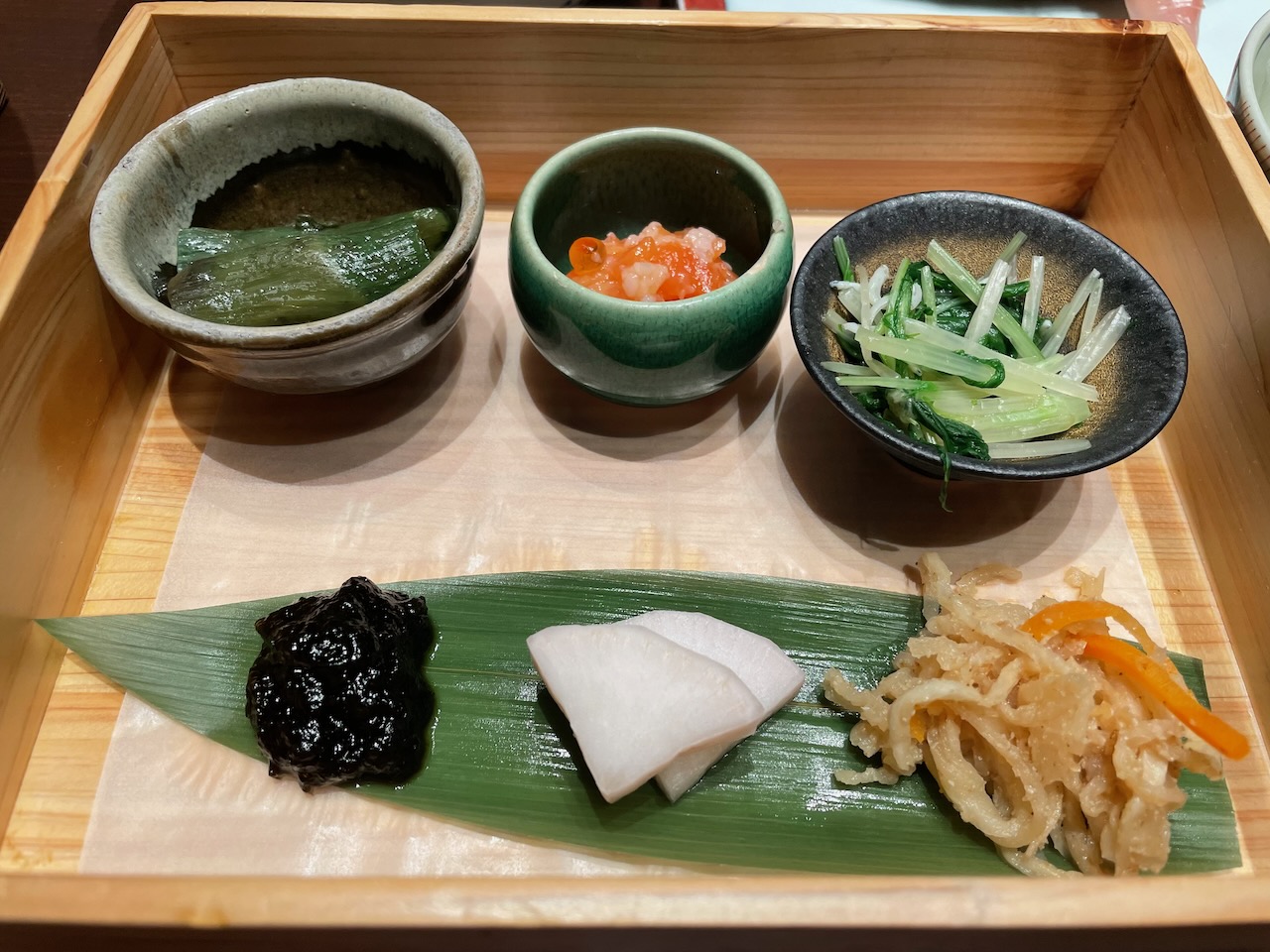
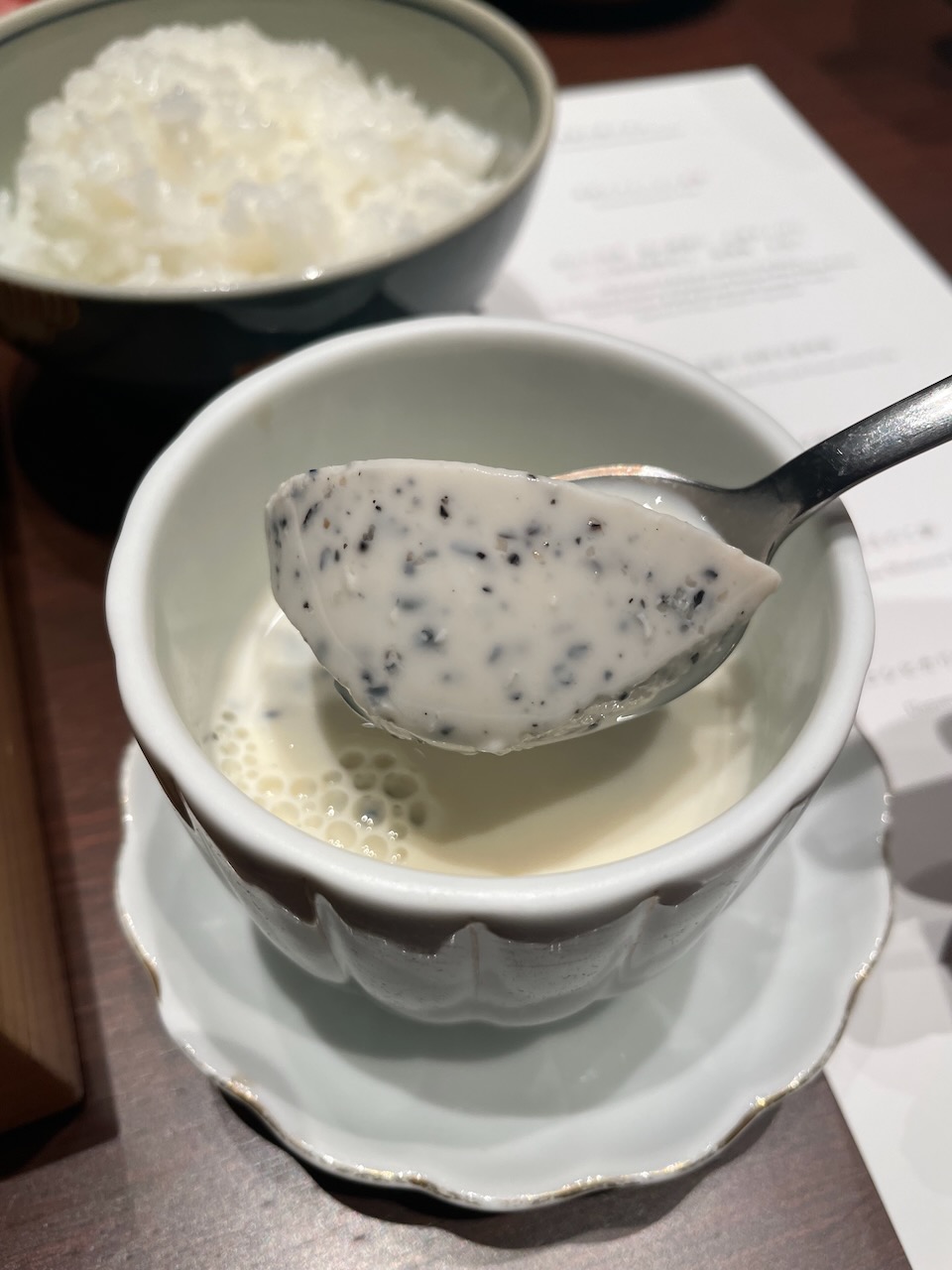
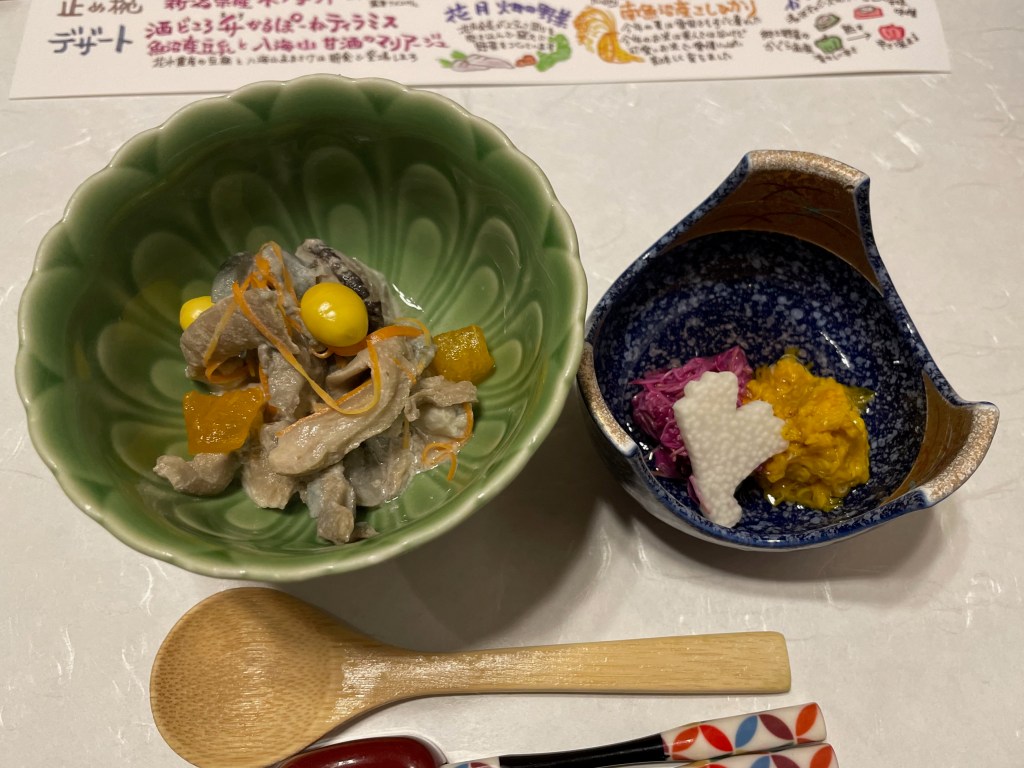
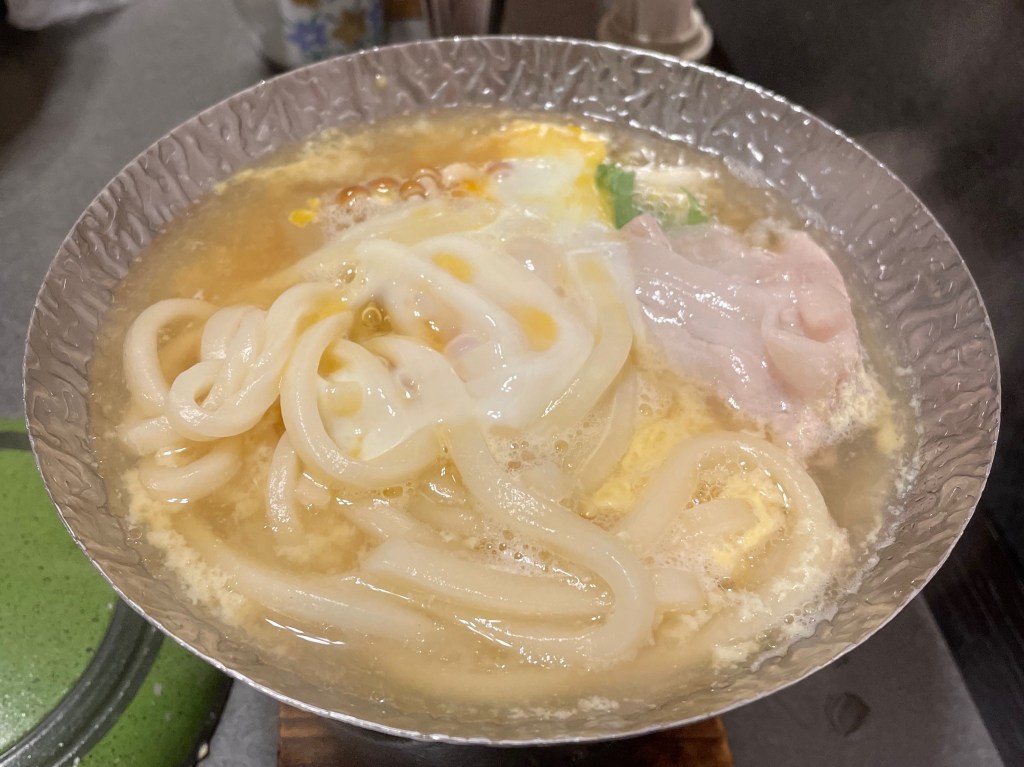
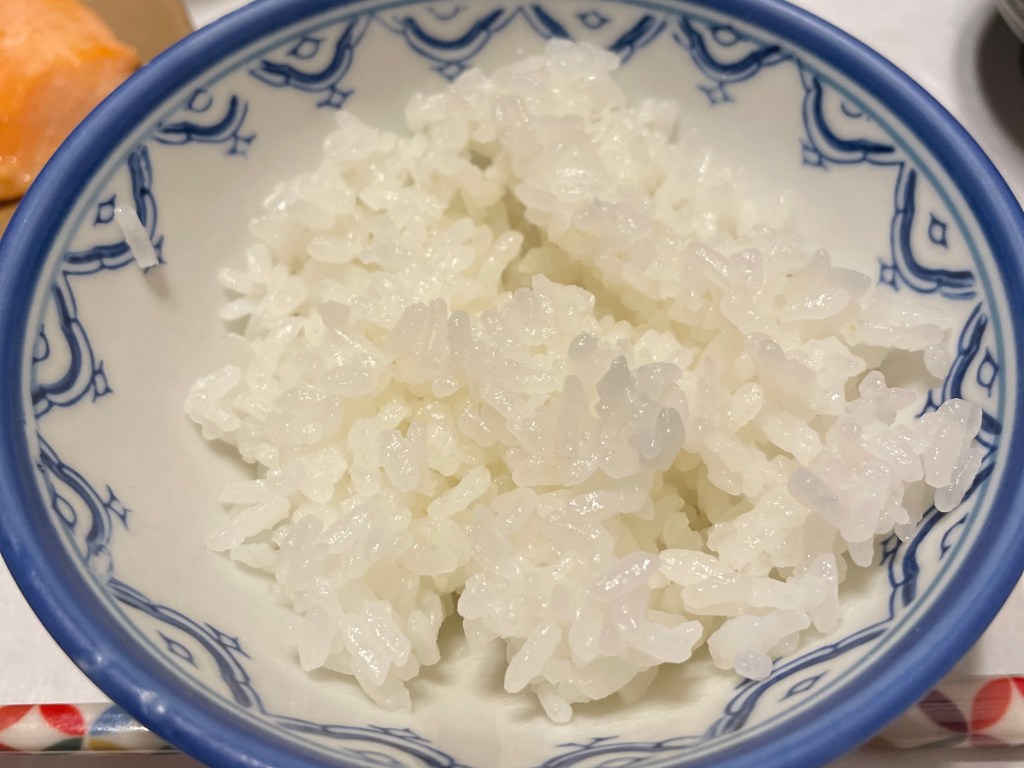
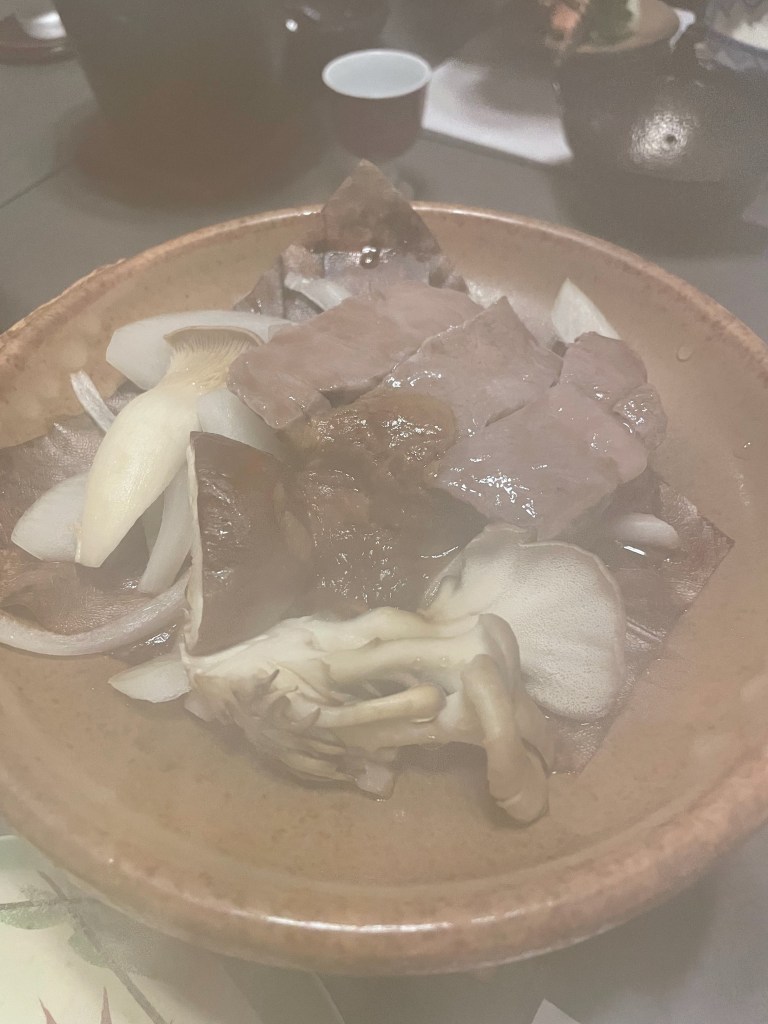
After settling in, have a nice stroll around the ryokan. Be treated to a free flow of snacks as well as sake before dinner. Speaking of dinner, we were treated to a delectable dinner at Ryugon. The traditional kaiseki meal showcased the finest local ingredients and flavors. Each dish featured the essence of Niigata and I loved everything we had! I love rice, but Niigata’s rice is on a different level – it was so good and unforgettable! Look at how the rice glistens! We passed by the lands where the rice was from on our way to the hotel.

Ryugon is well-known for its hospitality. We were there on a Sunday, and were lucky to catch a Shamizen performance! Be sure to catch the performance, enjoy the onsen at night and in the morning as well before breakfast.

Breakfast was also a joy! Again, I loved the rice and all the accompanying dishes.

Next Day – Exploring Hakkaisan

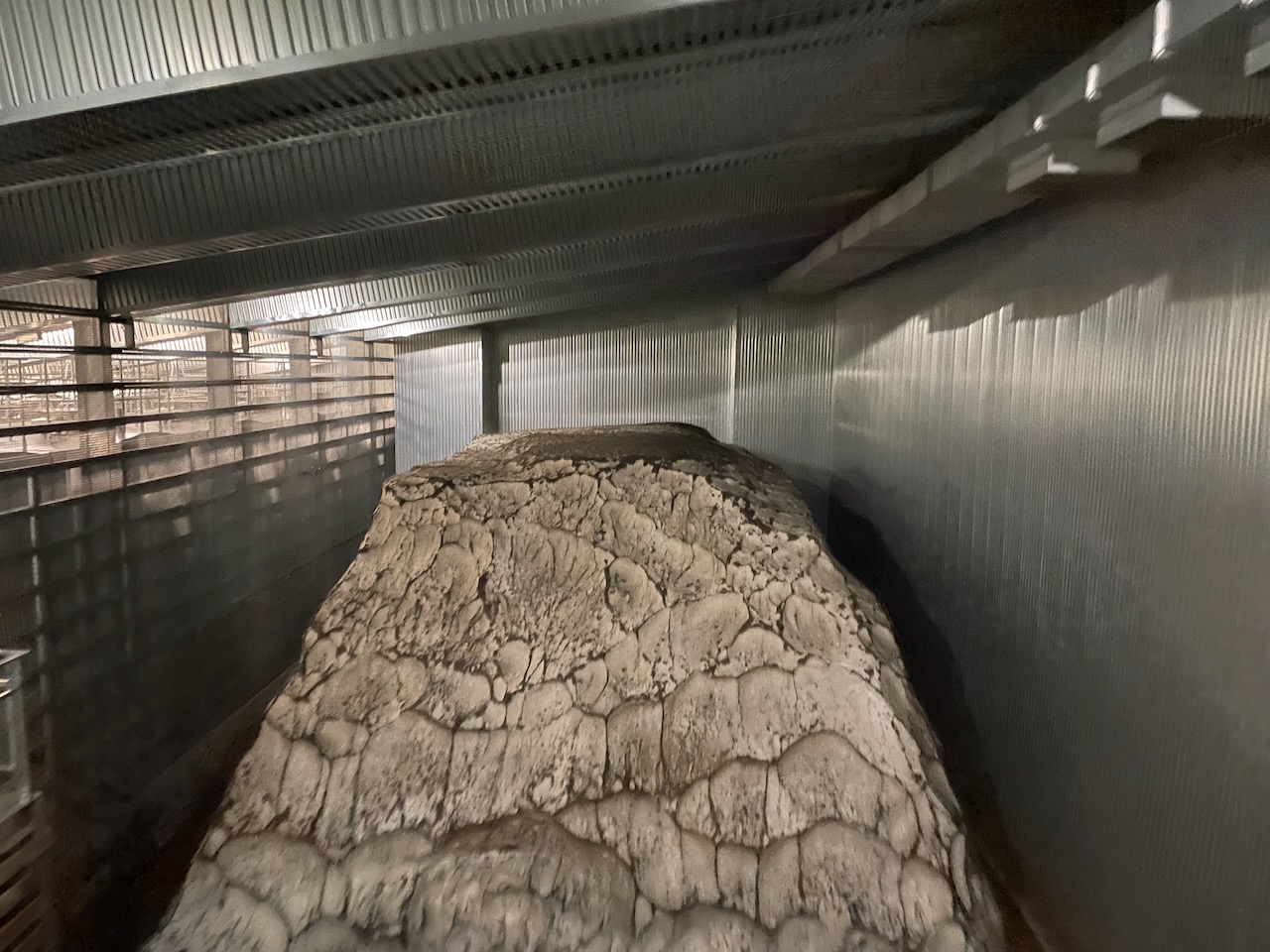
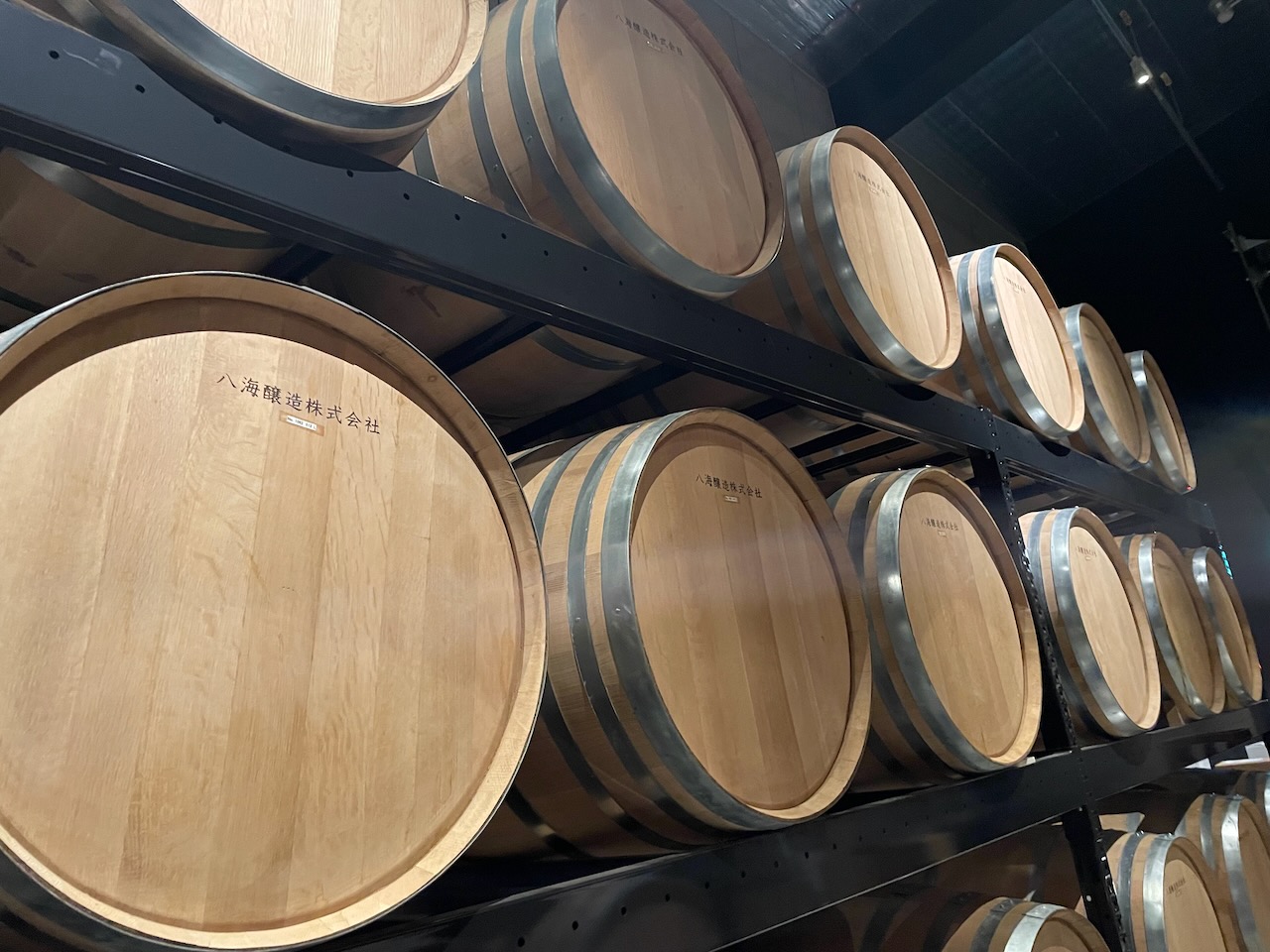
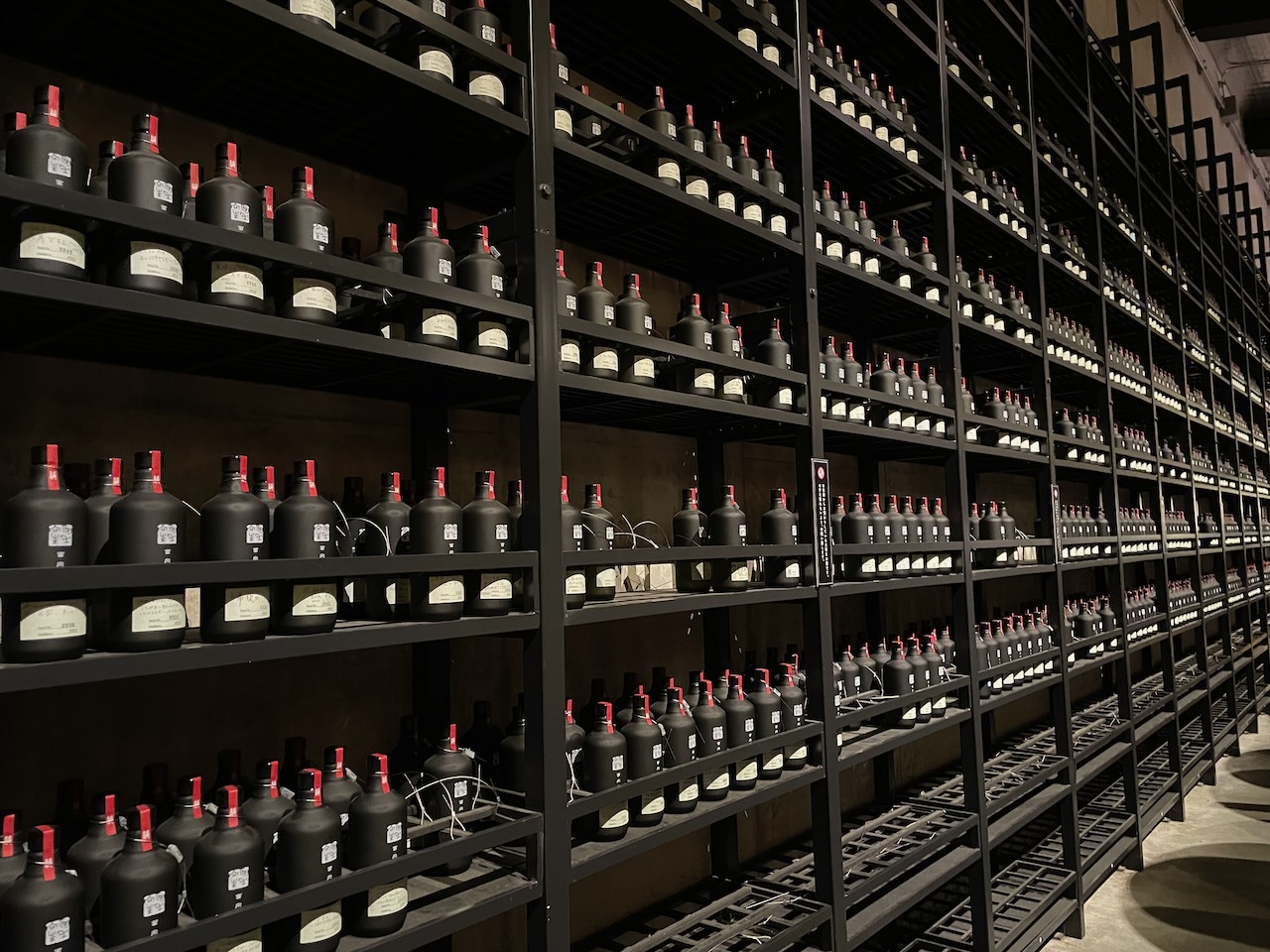
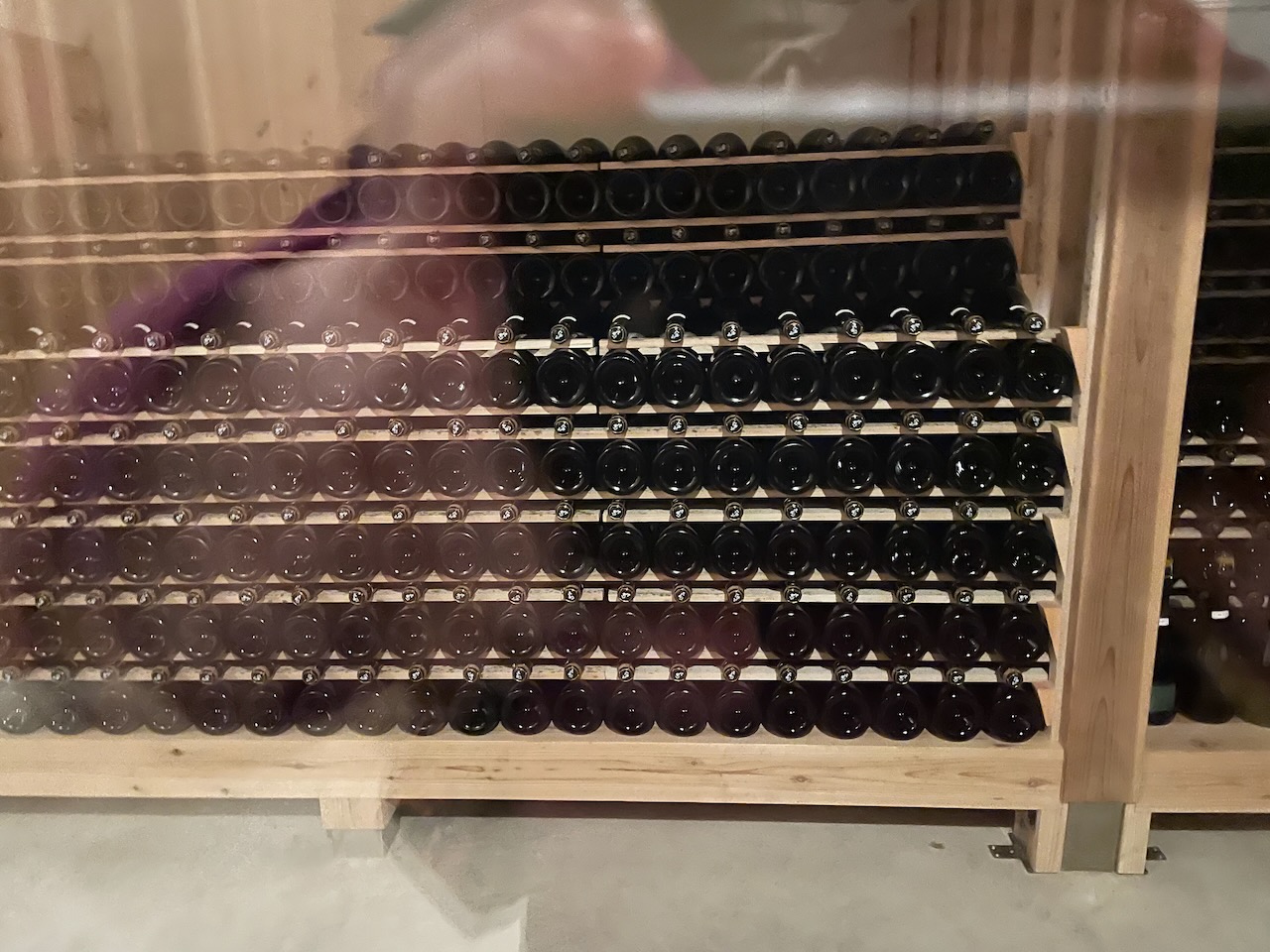
On the second day of my Minami-Uonuma adventure, we went to Hakkaisan Sake Brewery. The views were breathtaking and if you have time, can consider going on a hike at Hakkaisan. We were there for the nihonshu so we headed straight to the Yukimuro 雪室. After the tour through the Yukimuro, we enjoyed the free flow of free sake tastings. Junmaidaijinjyo is still the one of my favourites, and I discovered the 3 Year brew!

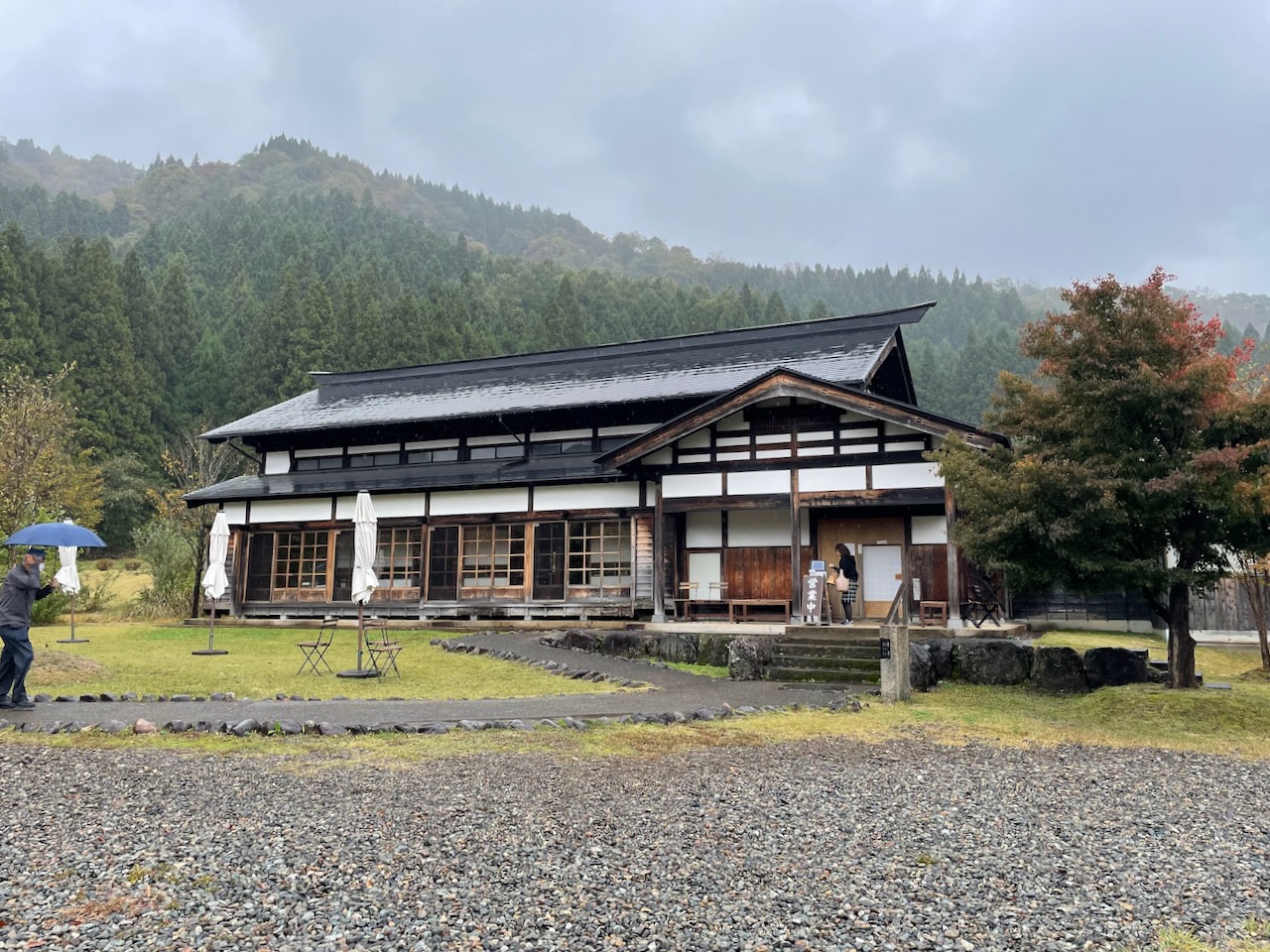
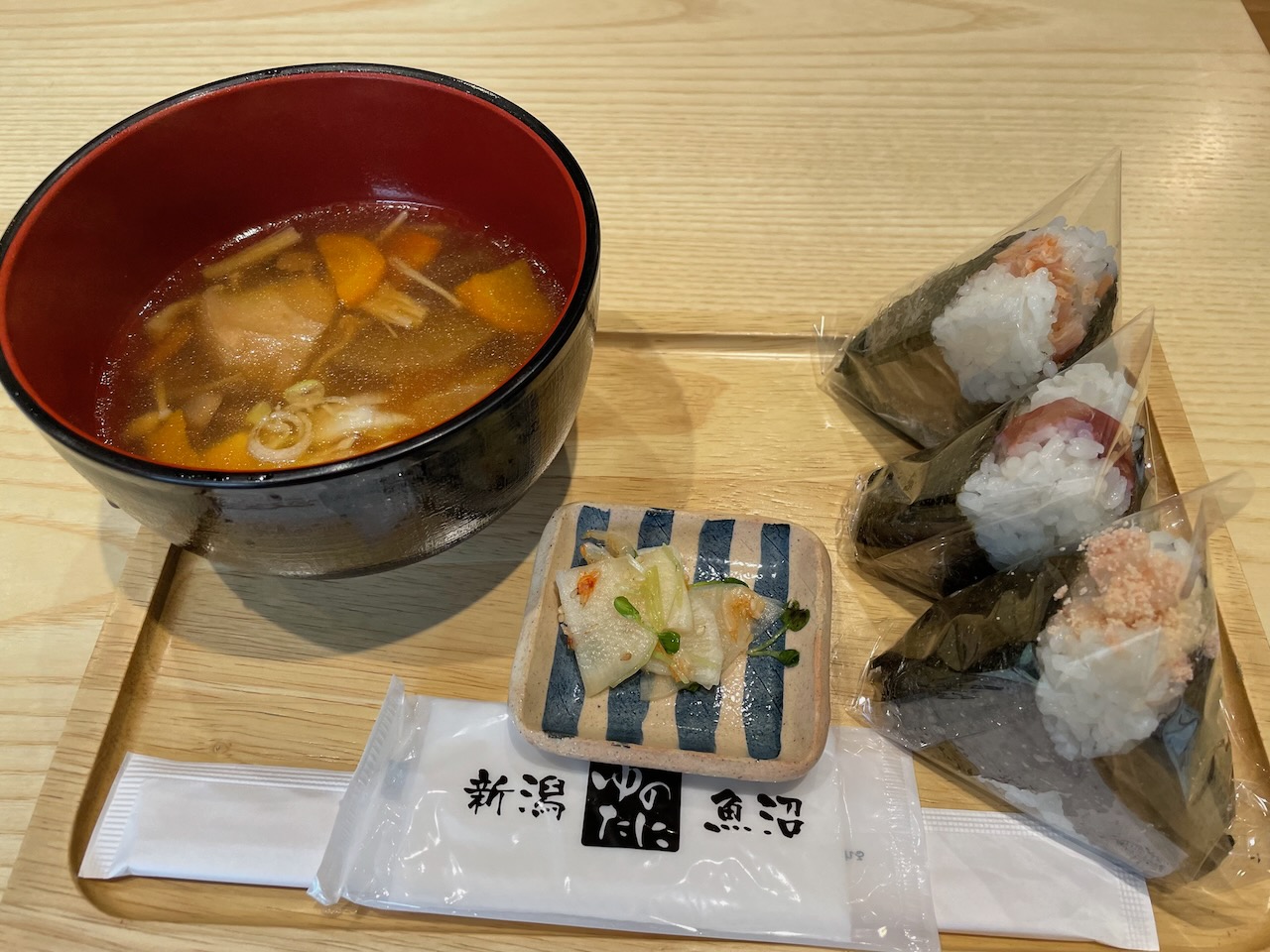
Nigirimeshi Teppen にぎりめしてっぺん

〒949-7112 415-23 Nagamori, Minamiuonuma, Niigata

Minami-Uonuma offers a captivating itinerary filled with cultural discoveries, scenic landscapes, and unforgettable experiences. One night was too short, definitely worth a second visit. My stay at Ryugon Ryokan was nothing short of enchanting and given the activities available, 2 nights stay will definitely be worthwhile.

This ends the 5 day 4 night trip to Niigata. All in all, if you love food, nature and history, Niigata is a hidden gem in Japan not to be missed.

Niigata: A Hidden Gem in Japan – 5D4N – Day 3

Day 3: Echigo Yuzawa (越後湯沢) to Sado Island (佐渡)

Itinerary

  • 9:06AM Depart Echigo Yuzawa Station 越後湯沢駅 on Jōetsu Shinkansen Toki 305 to Niigata Station
  • 9:51AM Arrive at Niigata Station 新潟駅
  • 11:30AM Depart Niigata Port 新潟 to Ryotsu Port 両津 on Sado Kisen Jetfoil 佐渡汽船 ジェットフォイル
  • 12:37PM Arrive at Ryotsu Port 両津
  • 12:40PM Drive to Sado Kinzan 佐渡金山(Car ride about 40 mins)
  • 1:30PM Tour at Sado Kinzan 佐渡金山
  • 2:30PM Leave for Sado Island Taiko Centre (Tatakokan) たたこ館 (Car ride about 1 hr)
  • 3:30PM Taiko drum experience at Sado Island Taiko Centre (Tatakokan) たたこ館
  • 6:00PM Dinner at Motsuyaki Den Sadokanaiten もつ焼 でん 佐渡金井店

Day three we are off to our next location in Niigata! Sado Island.

Sado island

Sado island is the island off the northern coast of Niigata. Sized at around 800 km², Sado is an island home to many rare birds, natural beauty, great food and history. Visitors can immerse themselves in the island’s abundant natural beauty, from rare bird species to stunning vistas. Sado Island is a must-visit destination that promises unforgettable experiences. Can find more information on Sado Island at their Tourism site.

Sado Island is reachable via two ports, one in Niigata city (Niigata Port) to Ryotsu Port on Sado Island, and the other in Joetsu (Naoetsu Port) to Ogi Port on Sado Island. Do note that the ferry route from Naoetsu does not run throughout the year and is for car ferry. Also, ferry frequency is in interval of about 1.5 hour. Remember to check the Sado Kisen site on ferry timings and availability. This trip, we decided to take the ferry (Jetfoil) from Niigata Port as it was faster to reach Niigata via Shinkansen.

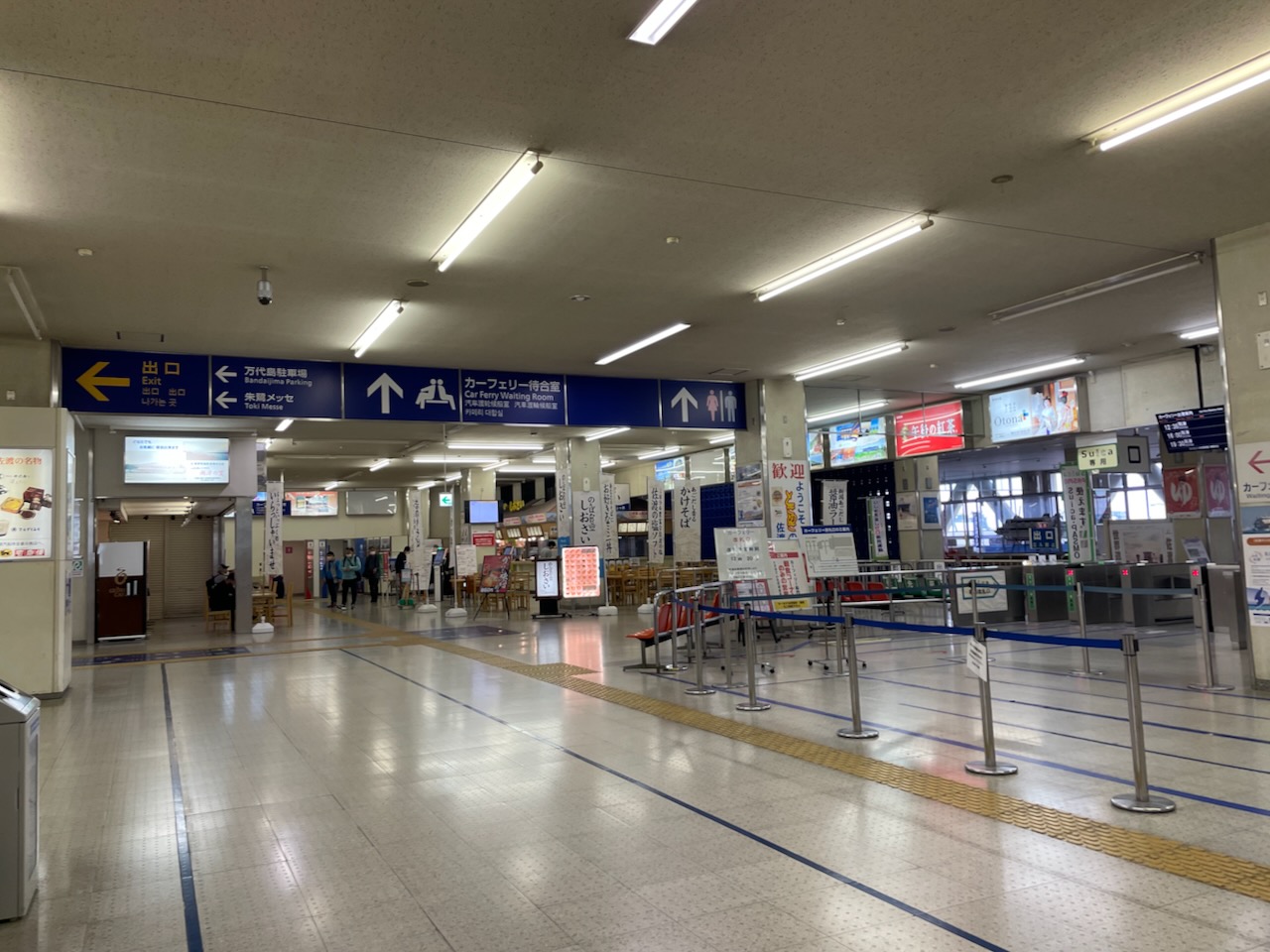
11:30AM Niigata Shinkansen Station is not far from the ferry terminal so you can choose between taking the cab or bus. If you are traveling in a group of three or more, you may wish to consider taking the cab. We took the cab and it cost ¥1170 to get to the ferry terminal. By bus, it would be ¥260 per person. We had quite a bit of time to shop around the ferry terminal, but if you are cutting it close, I would suggest reaching at least 30 minutes before time. This is so that there is sufficient time to get your tickets off the counter before the boarding time which is about 15 minutes before departure. The ferry ride is about an hour, long enough for a nap!

On the island, there are bus services as well as chartered cabs. We decided to rent a car so that we can control our timings and with more flexibility. If you are driving too, be sure to have your international driving permit before arriving in Japan!

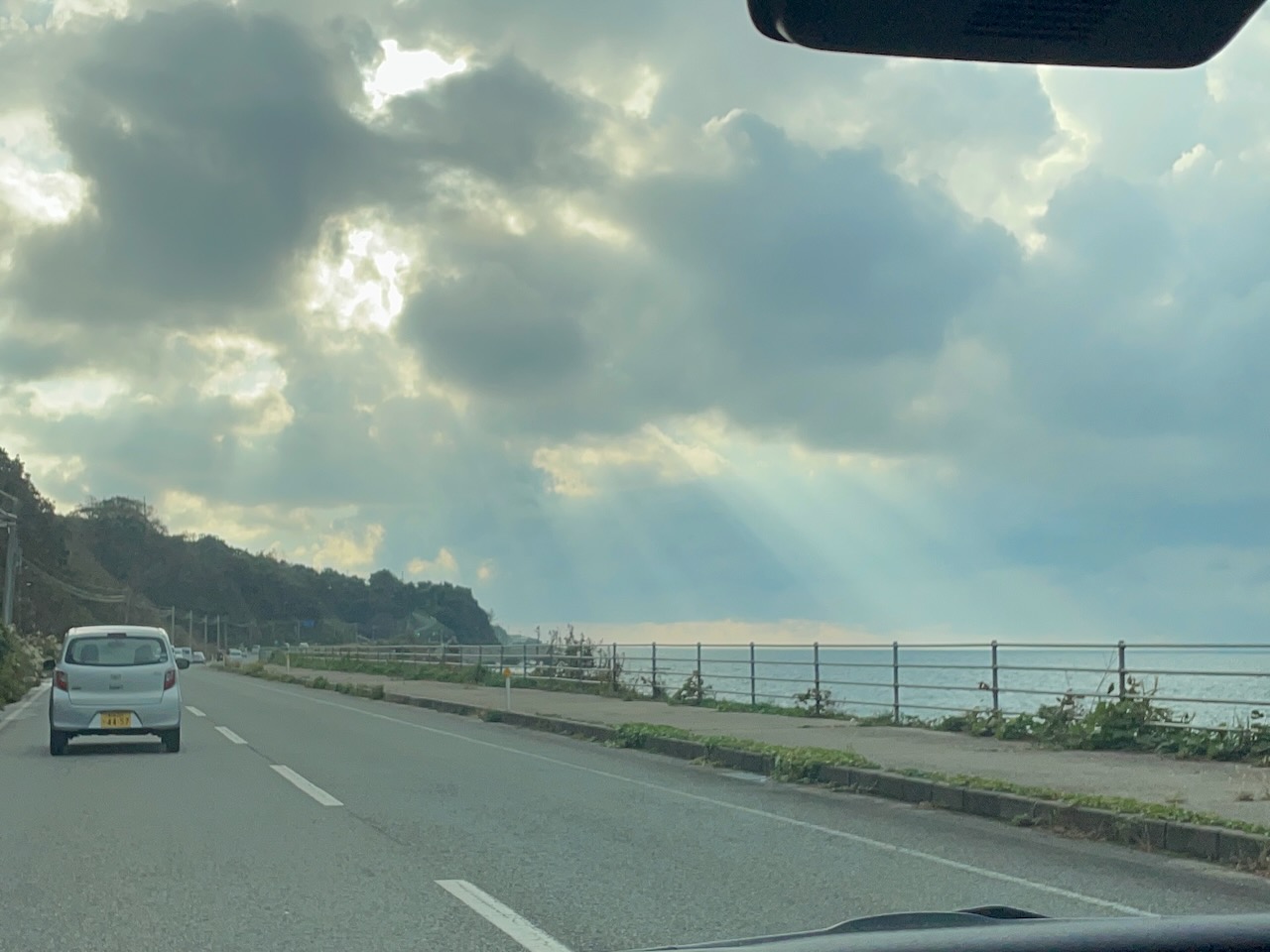
The coastal views and rock formations are breathtaking. Driving along the coast is definitely recommended. Roads on this island are not complicated. They are generally single lane roads – split into 国道 (State Road) vs 県道 (Prefecture Road). State Roads are much better maintained and the Prefecture Roads might be mountain roads. You may wish to refer to the map for the differences. In this case, the Japanese rental cars GPS systems will typically recommend taking the national roads.

Sado Gold Mine 佐渡金山

1:30PM Our first stop is the Sado Kinzan or Sado Gold Mine. Sado Island has a rich history that dates back centuries. One of the most significant aspects of its history is its gold mine. The gold mine on Sado Island was first discovered in the 17th century and quickly became one of the most productive mines in Japan. It played a crucial role in the economy, attracting many workers and contributing to the wealth of the island. During the Edo period, Sado Island’s gold mine was under the control of the Tokugawa shogunate. The gold extracted from Sado Island’s mine was used to finance the shogunate’s military campaigns and support the economy.

There are different mine tunnels, where you can learn about the mining techniques used in the past, and gain insight into the lives of the workers. We took the Sohdayu Tunnel Mine, which is a 30-minute course that displays the mining experience of the Edo period (1603-1867) with mechanised displays. There are 3 other courses, and one involves wearing MR glasses, which we did not go for this time. The tunnels can get quite cold so be sure to wear a jacket.

Sado Island Taiko Centre たたこう館

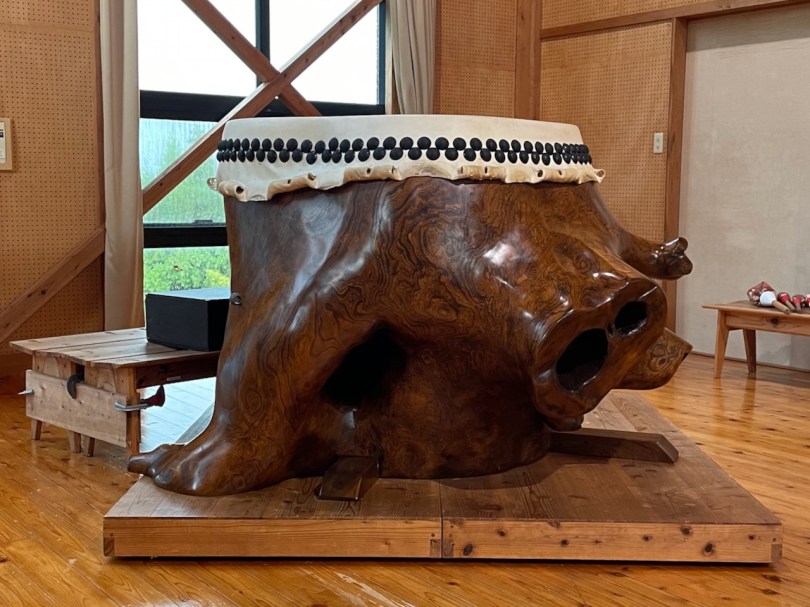
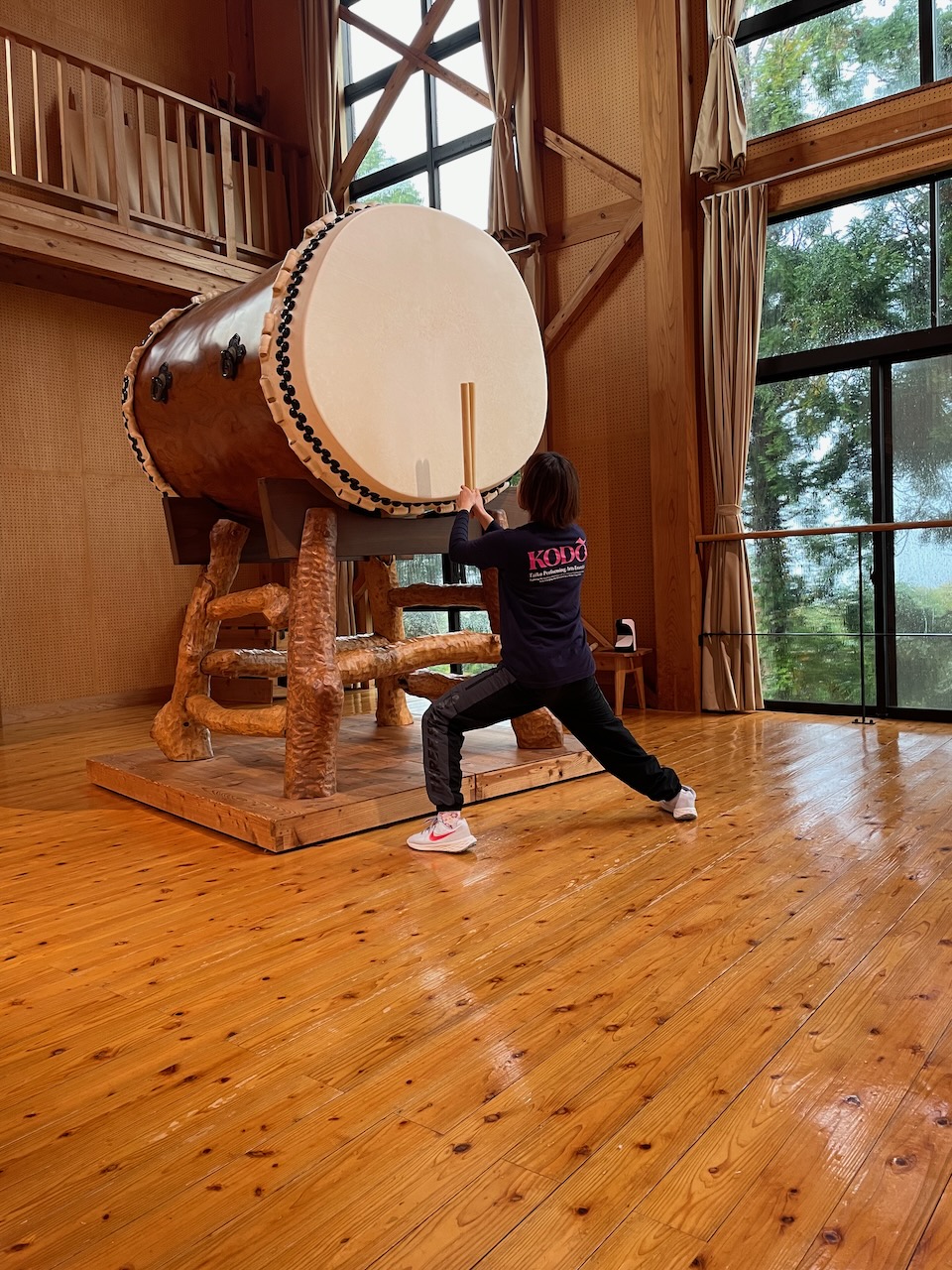
3:30PM After the gold mine, we drove to the other side of the island. We signed up for a one hour trial session to learn how to play the traditional Japanese drum – taiko.

Taiko is a traditional Japanese drumming style that has a rich cultural history. It involves the dynamic and energetic performance of various drumming techniques on large drums called “taiko.” The art of taiko drumming originated in Japan and has been a part of Japanese festivals, ceremonies, and performances for centuries.

We had an very passionate instructor who guided us through basic techniques and creating rhythms together as a group. It was a fascinating experience! Highly recommended if you have time. The session costs ¥2,500 per person. For more information about the Sado Island Taiko Centre, including opening hours, please visit their official website.

Nameたたこう館
Address〒952-0611新潟県佐渡市小木金田新田150-3
Emailtatakokan@kodo.or.jp
Tel0259-86-2320

Unfortunately, it was raining very heavily on Sado Island that evening so we did not try the washtub boat ride.

Tabino Hotel Sado

This trip, we stayed at Tabino. Tabino Hotel Sado is a very comfortable hotel. The hotel was one of the tallest buildings (at round 5 floors) in the area. The best part of the hotel was the nearby restaurant selling motsuyaki.

Motsuyaki Den Sadokanaiten もつ焼 でん 佐渡金井店

  • Address: 99-8 Chigusa, Sado, Niigata 952-1209, Japan
  • 〒952-1209 新潟県佐渡市千種99-8
  • TEL/FAX 0259-58-7444.

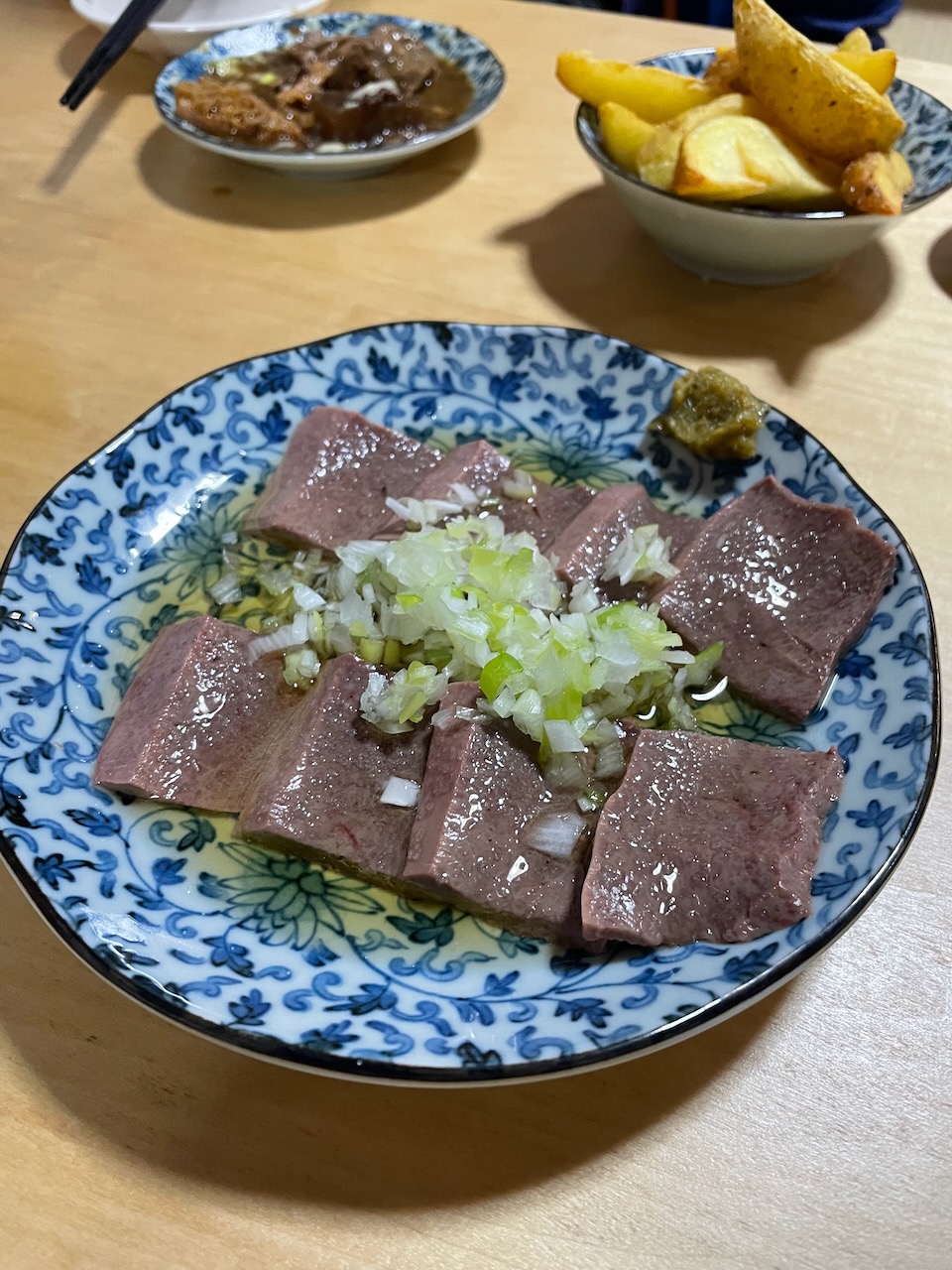
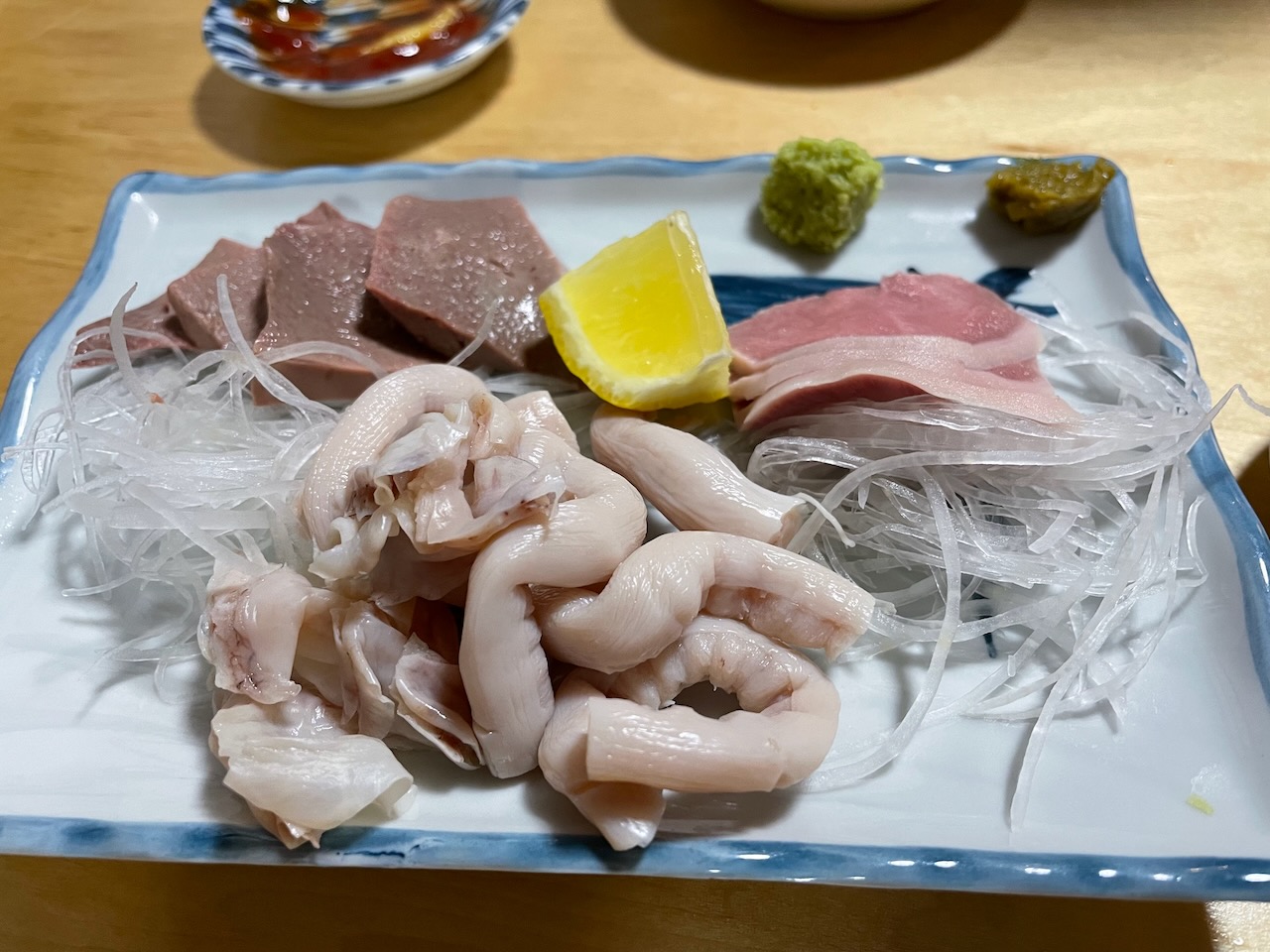
If you would like to try some raw beef or pork or innards, Motsuyaki Den Sadokanaiten will be probably the best restaurant where you will ever have these. Do not make the same mistake as I did, or at least make this mistake knowingly – sashimi at this place is not raw fish but raw meat innards. We had raw pork fallopian tube, raw beef tongue and raw pork liver. We had a feast that night as everything was very cheap and tasty.

I concluded that more time is needed on Sado Island! If you can, should take an earlier ferry to Sado!

Niigata: A Hidden Gem in Japan – 5D4N – Day 2

Day 2: Echigo Yuzawa (越後湯沢)

Itinerary

  • 8:00AM Breakfast at Ryokan
  • 9:40AM Bus from Yuzawa Station Bus Terminal 湯沢駅前 Lane 1 to Naeba Prince Hotel Stop 苗場プリンスホテル前
  • 10:21AM Arrive at Naeba Prince Hotel Stop 苗場プリンスホテル前
  • ~10:35PM Shuttle Bus to Dragondola Sanroku Station and Dragondola ride
  • 11PM Reach Dragondola Sancho Station
  • 12:20PM Dragondola back to Dragondola Sanroku Station
  • 12:52PM Bus from Naeba Prince Hotel Stop 苗場プリンスホテル前 to Yuzawa Station 湯沢駅前
  • 1:38PM Reach Yuzawa Station 湯沢駅前
  • Lunch at Shinbashi / Shopping
  • 2:40PM Yuzawa Kogen Ropeway
  • 4:20PM Yuzawa Kogen Ropeway back to Yuzawa
  • 5PM Dinner at Yuzawa Kamakura
  • Onsen at ryokan

Day 2 in Echigo Yuzawa started with a nice hearty breakfast at the ryokan!

9:15AM After filling our tummies, we set off towards Yuzawa Station where there is a bus (Lane 1) that will take us to the Dragondola. The walk was short and we reached the bus terminal at least 15 minutes before the scheduled departure time. However, there was already a long queue! We had no seats but thankfully we got on the bus. I suggest to reach the bus terminal early like us to avoid disappointment. Also, you should check the latest bus timings either at the tourist information center or at your ryokan in case there are updates to the schedule due to the season like our case.

9:40AM The bus ride was approximately 40 minutes and takes you through the mountains. Nice scenery along the way. In order to get to the Dragondola, you will need to transfer to another shuttle bus at the Naeba Prince Hotel. The ride to Naeba Prince Hotel costs 700 yen. This bus did not accept Suica or Pasmo when I took it. Remember to have some cash on hand! If travelling in a group, you can also combine your payment and pay with notes as well.

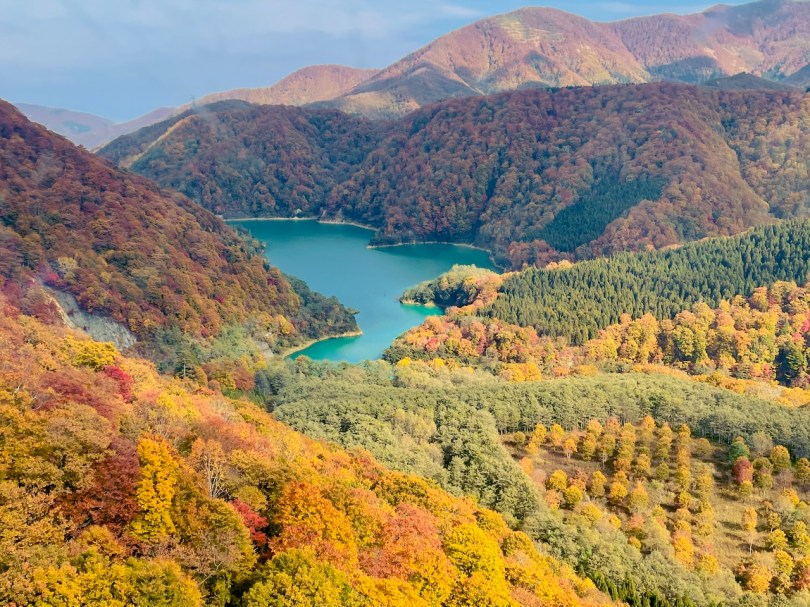
Alternative Route! You can also consider a different route, which is to start with the Tashiro Ropeway. It brings you above 二居湖(ふたいこ)Lake Futai before reaching the top. It’s the same bus, but instead of alighting at Naeba Prince Hotel Stop 苗場プリンスホテル前, you alight at Futai Tashiro Ski Resort Stop 二居田代スキー場前. Tashiro Ropeway (1066 Mikuni, Yuzawa-machi, Minami Uonuma-gun, Niigata 949-6212)

  • 10:21AM Arrived at Naeba Prince Hotel Stop 苗場プリンスホテル前. So, the route we took was a round trip on Dragondola itself. It should be pretty obvious where to alight – most people will alight at the Naeba Prince Hotel stop. Here, there is a building where you can buy round trip tickets (3,800 yen) for the Dragondola and take the shuttle bus to the Dragondola station. We missed one bus after arrival but another bus soon came after, so you need not worry about waiting for too long. There isn’t much to do here anyway, so hop on to the next shuttle bus when you see it.
  • The shuttle service stops right at the Dragondola station, you can follow the crowd or just walk up towards the ground floor to catch the gondola.

Dragondola Sanroku Station

Address202 Mikuni, Yuzawa-machi, Minami Uonuma-gun, Niigata 949-6292
DirectionsBus from Echigoyuzawa Station (East Exit) bound for Naeba Prince Hotel then shuttle bus
Opening Times9:00A.M. – 3:00P.M. (Last downbound 4:00P.M.)
Check for seasonal operation times!
Websitehttps://www.princehotels.com/en/ski/autumn/mtnaeba.html

Dragondola

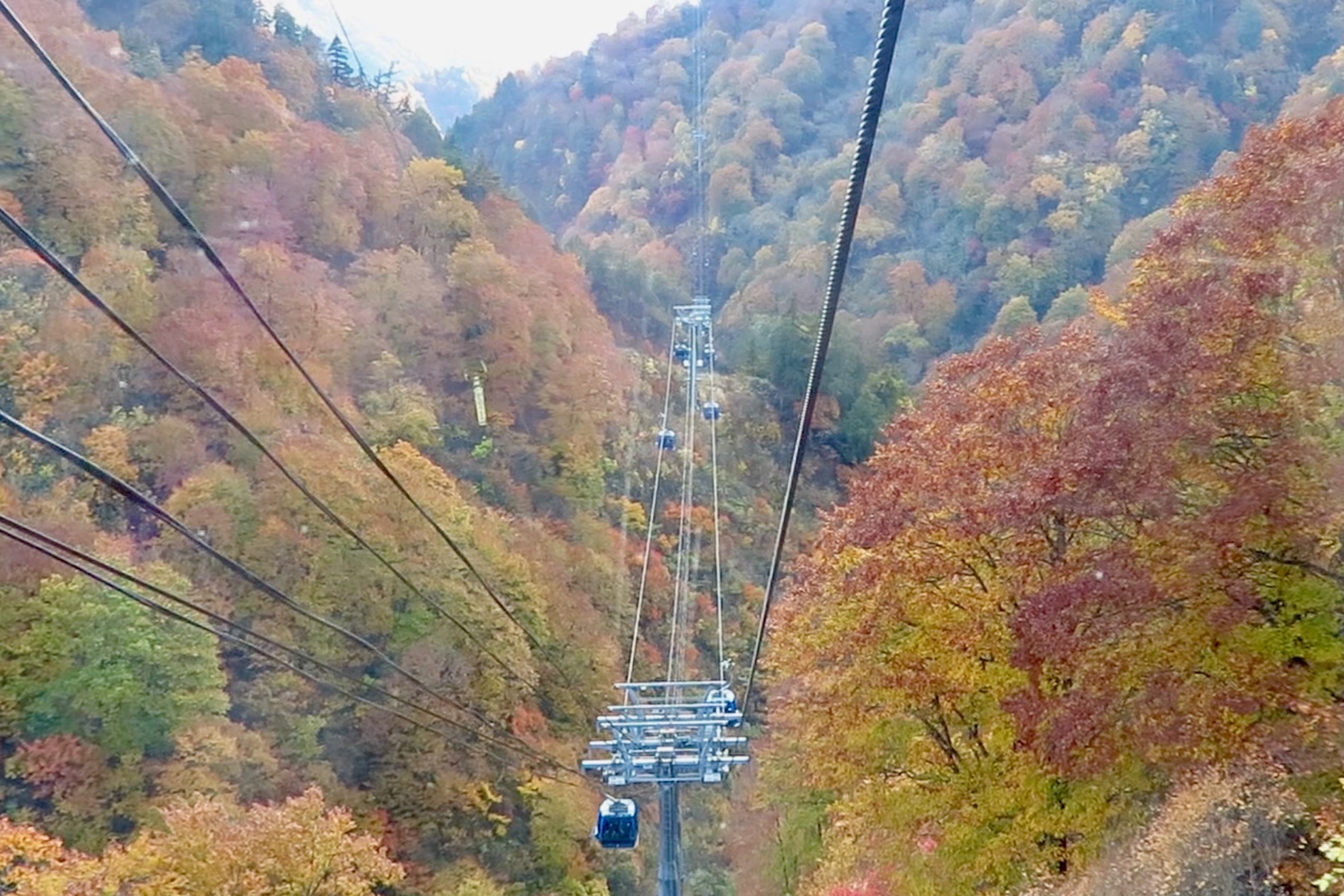
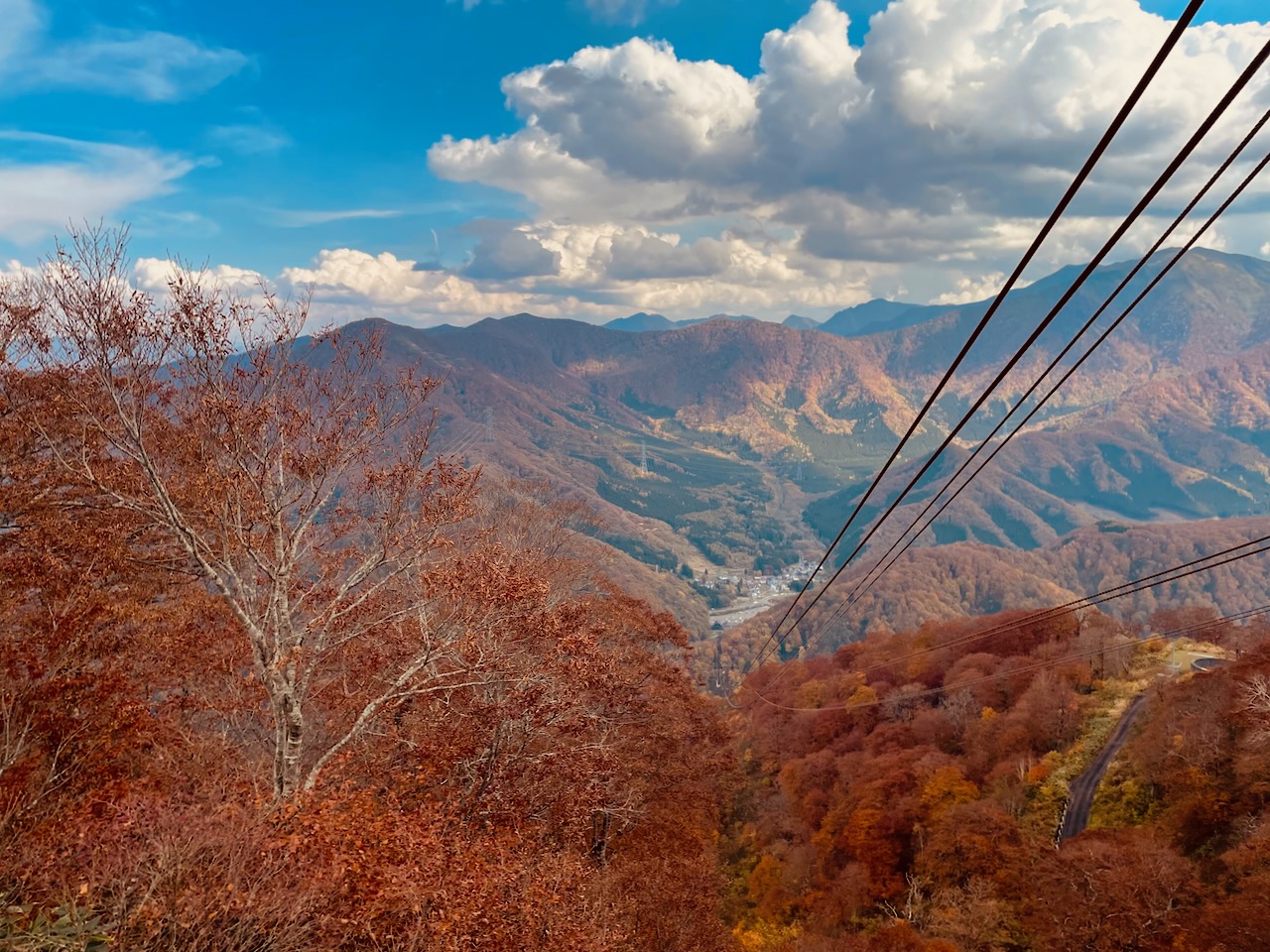
The Dragondola ride is approximately 25 minutes. At 5,481metres long, it is said to be Japan’s longest gondola. It goes through a few peaks, so look out for the majestic view as it passes each peak. The view is spectacular with a few picturesque viewpoints to look out for.

I was with a couple of friends and we joined another passenger on the same ride. Some of us took the front seats and I took the back facing seats. Personally, I felt that for this direction, both views were great. What you might want to take note of is if you are on the left or the right. If you are seated on the right (when forward facing), you will be able to catch pictures of Lake Futai. There is also a small “caveat” – If you are afraid of heights, I suggest grabbing the forward facing seats! The final climb is rather long and can be initimidating if you are looking at the depth as it climbs higher.

At the top of Kagura, there are food trucks, coffee and snacks. There’s also a restaurant where you can have food (Last Order 2:30pm). For us, we walked towards Lake Tashiro. We rode the Rakuraku Lift (ラクラクリフト)up to the end of the Tashiro Ropeway. I recommend taking the lift up as the alternative route is fairly steep! The view of the area was very pretty even though it was the tail-end of the autumn colours on this end. You can take the ropeway back or you can make a turn like us. This time I didn’t take the lift down. Instead I took a nice stroll down and enjoyed the nice weather and view.

We took the Dragondola back and this time I sat on the front facing seats. While the view is the equally pretty and colorful, the experience was different. You are always drawing nearer towards the bottom of the valley. If you want a different view, you might want to shift sides instead. This time, you will see the lake on the left and autumn colours on the right.

12:52PM We were not hungry so we decided to take the 12:52PM bus back to Yuzawa. If you are considering a non repeat route instead of our route, I recommend Tashiro Ropeway → Rakuraku Lift → Dragondola instead of the opposite direction. You are more likely be able to get on to the bus on your return if there is a crowd. Personally, I think the roundtrip on Dragondola was worth it for the view and the longer ride.

1:38PM After reaching Yuzawa Station 湯沢駅前, our next step is Yuzawa Kogen Ropeway. Given the differences in temperature, Yuzawa Kogen Autumn was pre-peak while Kagura was post-peak. Something to note if you are chasing autumn colours. If hungry, you can make a short detour for soba!

Shinbashi

If you desire food, I recommend hegi soba at Shinbashi. It is on the way to the Yuzawa Kogen Ropeway. Hand-made soba with great texture and taste. What more can I say! Loved it.

Yuzawa Kogen Ropeway

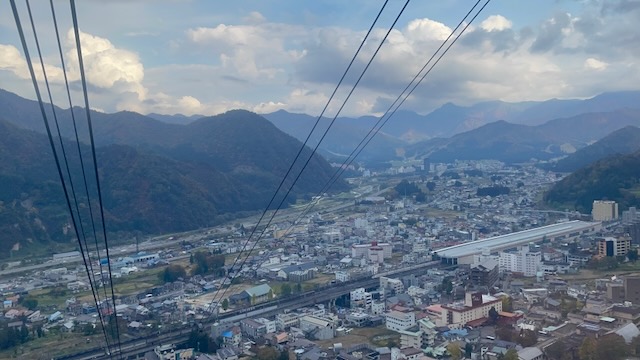
2:40PM The Ropeway departs every 20 minutes and take about 7 minutes to reach top of Alp no Sato. It is 1,300 metres long and is said to be one of the world’s biggest ropeways, having a capacity of 166 passengers. Alp no Sato is at an altitude of 1,000 meters, and features a garden made with rocks, as well as 200 rare species of alpine plants you would normally only see at highlands around 2,500 meters above sea level. On your way up, you get to see the view of Echigo-Yuzawa and its surroundings. Round trip was 2,600 yen.

Weather was not great when we arrived so we did not go far. However, we caught double rainbows! What a lucky sight! If you like, you can take an earlier ride and enjoy the view and work around the area. There is a bus shuttle to bring us up the slope or you can take a walk up.

Address新潟県南魚沼郡湯沢町大字湯沢490
Directions10 minutes on foot from the west exit of JR Echigo-Yuzawa Station
Opening Times【Ropeway】Late April to Mid-November: 8:40A.M. to 5:00P.M.(Operation Frequency: Every 20 minutes)
Websitehttps://enjoyniigata.com/en/spot/6943

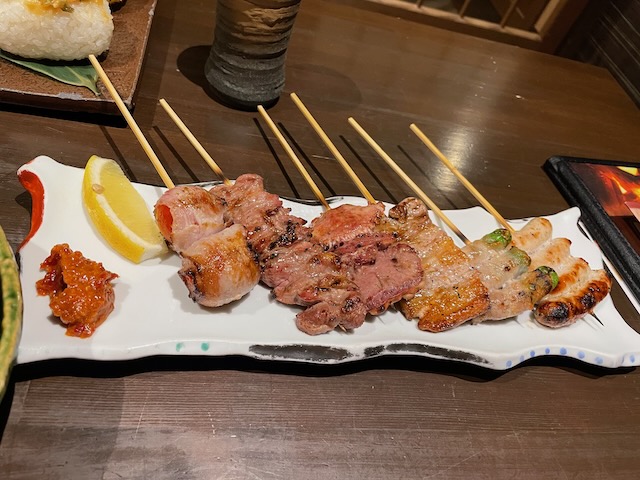
We spent about 1 and a half hours before catching the last gondola down for more food and onsen! Dinner was at this place called Yuzawa Kamakura, an izakaya. Good for drinks and rice balls, grilled fish, chicken and beef!

Yuzawa Kamakura

Niigata: A Hidden Gem in Japan – 5D4N – Day 1

Day 1: Tokyo (東京)→ Echigo Yuzawa (越後湯沢)

Our first stop is Echigo Yuzawa (越後湯沢), the first shinkansen stop in Niigata (新潟)on the Toki line. It is famous for Fuji Rock and Ski Resorts such as Naeba. Toki is a rare bird found in Sado Island.

To get there, head to Tokyo(東京) Station. If you had bought the JR Pass online, you will have to exchange your online ticket for the JR Pass at the designated offices. We went to the JR East Travel Service Center near the Marunouchi North Exit 丸の内北口. Given there were a lot of tourists, JR opened up two offices when we were there, so look out for the shorter queue. At the office, you will need to determine which days to cover. We got the JR East Pass for 5 Days. It nicely covered our 5 day-4 night trip in Niigata.

I recommend to get the reserved seat tickets for all your subsequent train rides at one go. There are still options for you at the other Shinkansen stations, but it will be less worrying if you get it at this point.

It was a Thursday when we travelled to Niigata, so there were two trains that we could take:

  • Departs 10:16AM Jōetsu Shinkansen Toki 315 to Niigata (新潟)、reach 11:31AM – 1 hr 15 min (5 stops)
  • Departs 11:40AM Jōetsu Shinkansen Toki 319 to Niigata (新潟)、reach 12:58PM – 1 hr 18 min (5 stops)

10:00AM We decided to grab Ramen at the Ramen Street in Tokyo Station. Tokyo Dried Sardines Ramen Gyoku 東京煮干しらーめん玉東京駅店 had a unique fish-based broth. If you are earlier or have more time, you can have ramen as early as 8:30 AM or consider other ramen options which had long queues.

11:10AM We did not reserve seats online beforehand, so we could only use the unreserved seats. As Tokyo is the first station for the Toki line, we managed to secure seats by queuing early at the platform. Take note of the queue lines – one is for the next train, and one is for the subsequent train. Even though we reached 30 minutes before the train departure time, there was already a queue. I recommend heading to car 2 where there are more seats compared to car 1.

11:40AM Riding the train to Echigo Yuzawa station

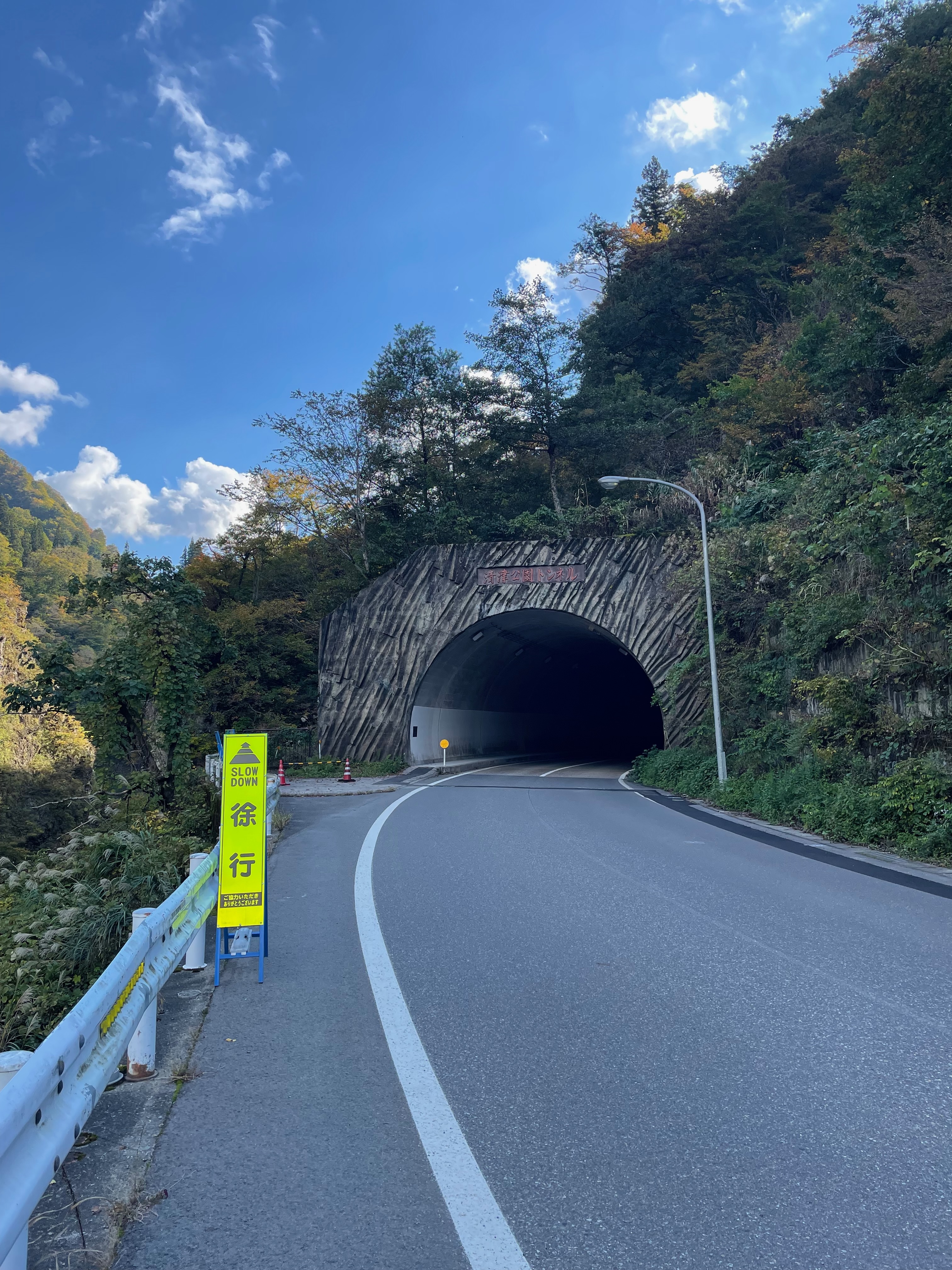
12:58PM After reaching Echigo Yuzawa train station, our first stop is the Kiyotsu Gorge. As there was only 12 minutes before the bus departs, we used the luggage lockers to hold our luggages before heading to the Kiyotsu Gorge. Note that there are not many buses, only one in the morning and 3 in the afternoon at 2 hour intervals (as of October 2023).

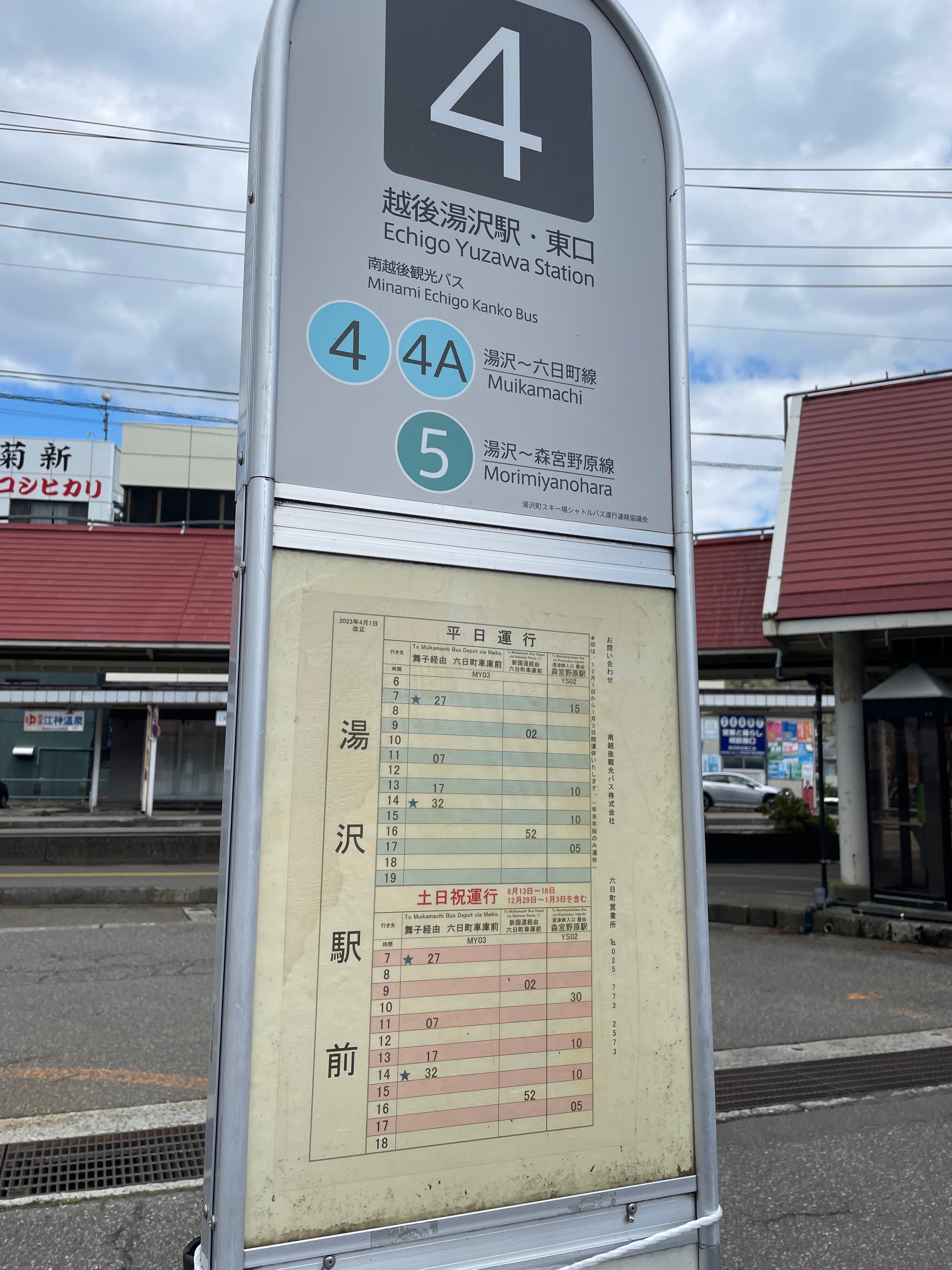
1:10PM Based on the bus schedule, we managed to catch the 1:10PM bus from 越後湯沢駅 東口. Look out for the East exit and walk towards the bus terminal – Lane 4, bus number 5 towards 桃宮野原 Momomiyanohara. On the timetable, the bus times are on the right most column. It costs 500 yen to get to Kiyotsu Gorge 清津峡. When boarding the bus, you might not need to take a ticket. This means that you will pay the amount indicated on the bus board where there is no number indicated. This bus did not accept Suica or Pasmo, but you can combine your payment and pay with notes if you do not have sufficient change.

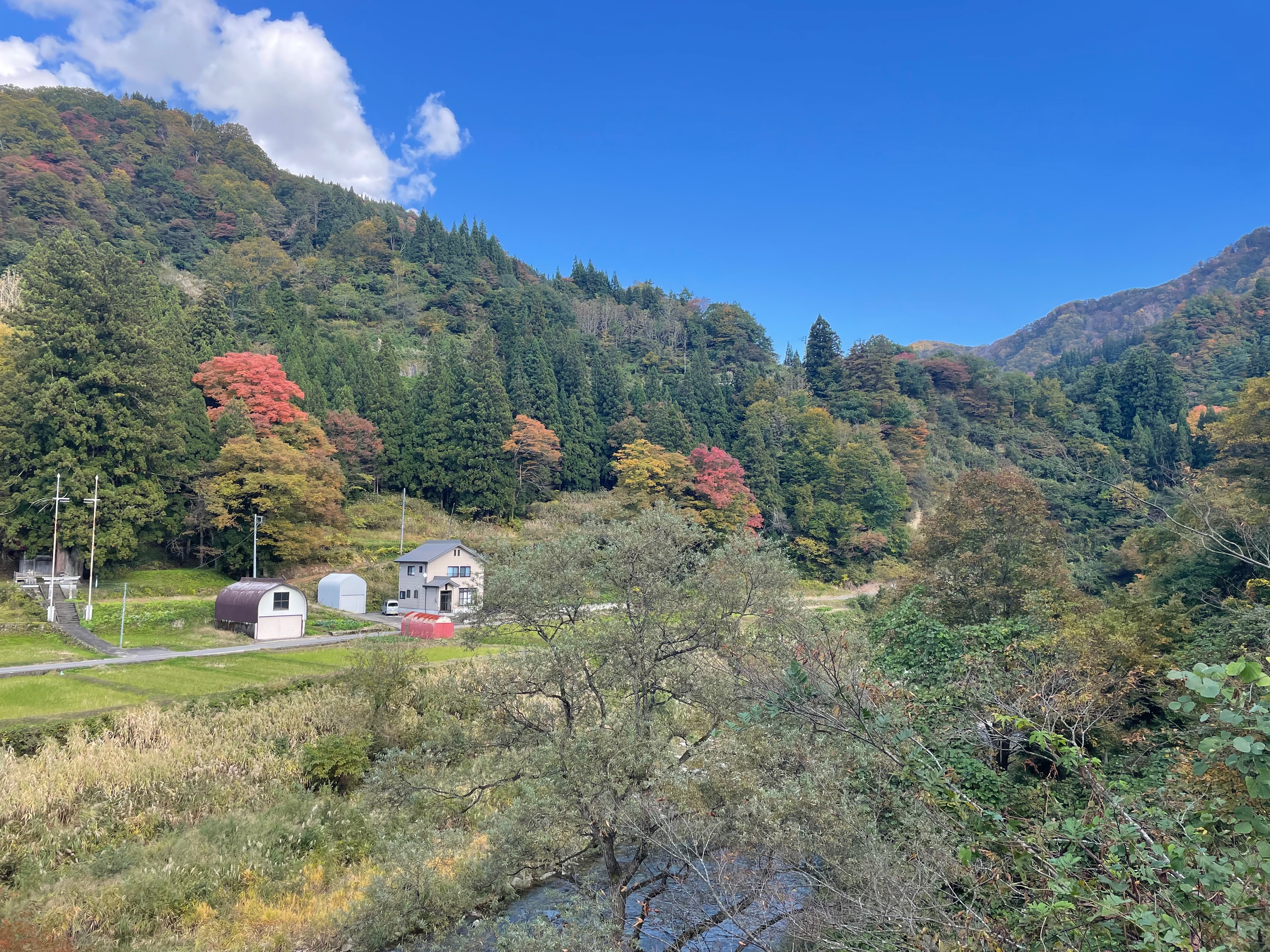
1:34PM After arriving at the Kiyotsu Gorge stop, we embarked on a leisure 20-30 minute stroll. Of course, being avid photographers, we just had to stop every few steps to capture the breathtaking scenery. The autumn colours were just starting to show, like they were putting on a slow fashion show. It seemed like we were a tad early for the grand spectacle by about 1-2 weeks, but hey, at least we didn’t have to fight for tickets! Pro tip: If you’re planning a visit during the peak season, make sure to secure entrance tickets in advance to avoid disappointment.

Address新潟県十日町市小出癸2119-2
DirectionsBus from Echigoyuzawa Station (East Exit) bound for Morimiyanohara Iriguchi Station.
Alight at Kiyotsukyo Iriguchi Station
Car ParkAvailable
Opening Times8:30AM to 4:30PM(March-November)
9:00AM to 3:30PM(in winter)
Websitehttps://nakasato-kiyotsu.com/

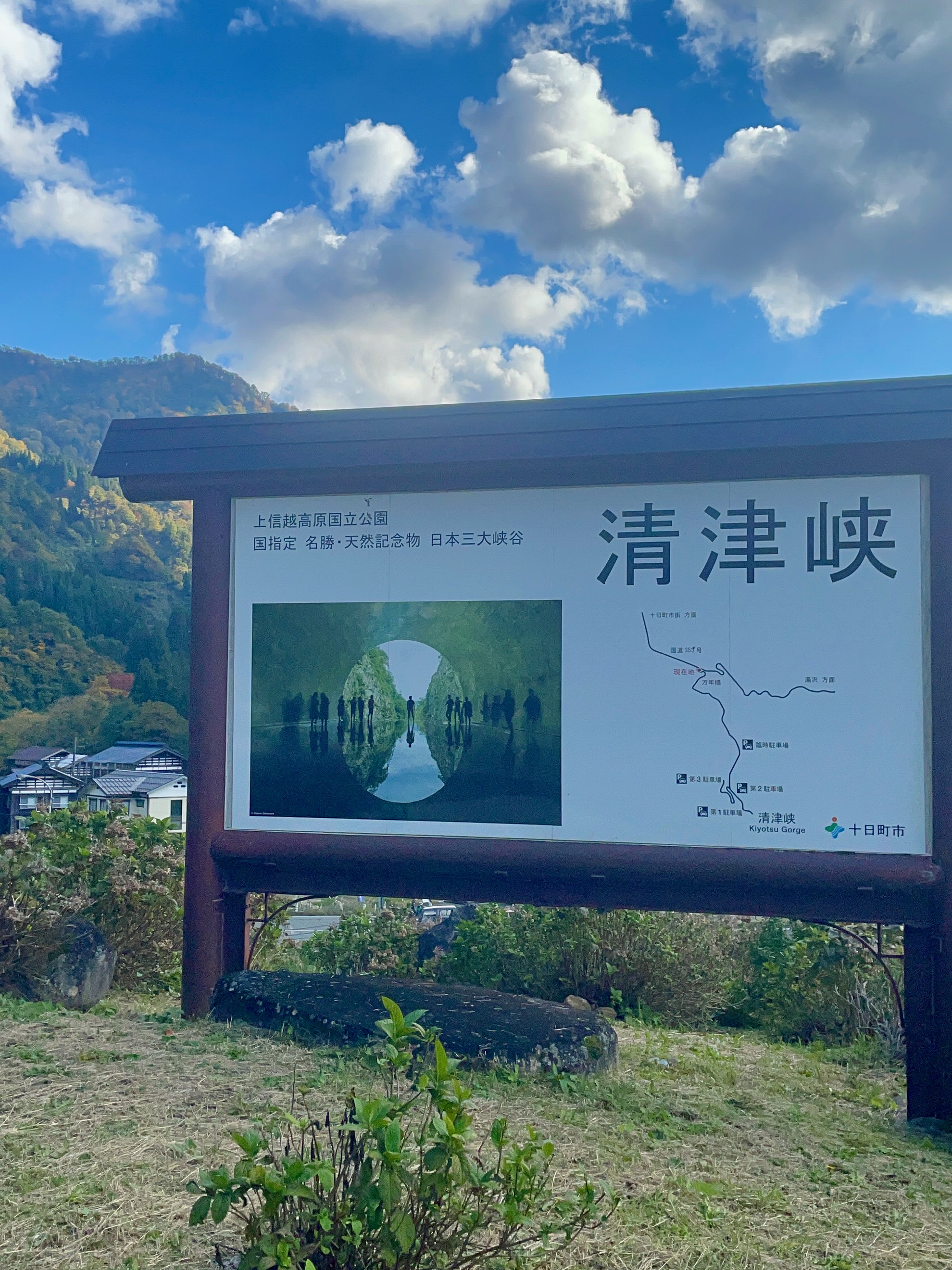
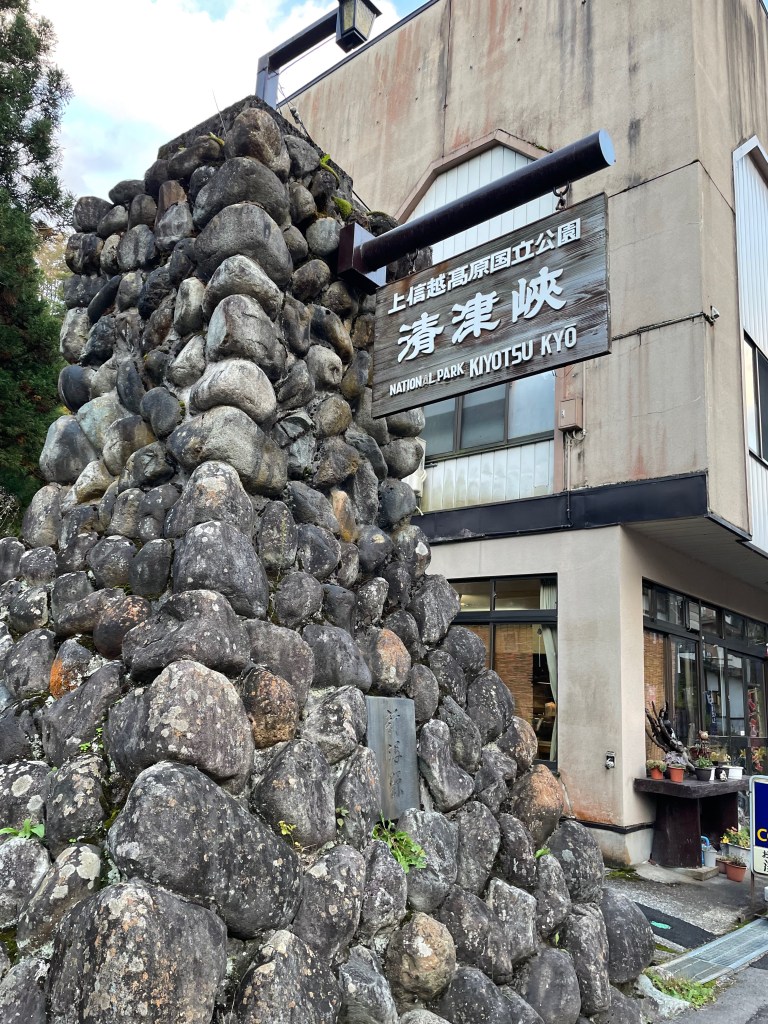
Kiyotsu Gorge 清津峡

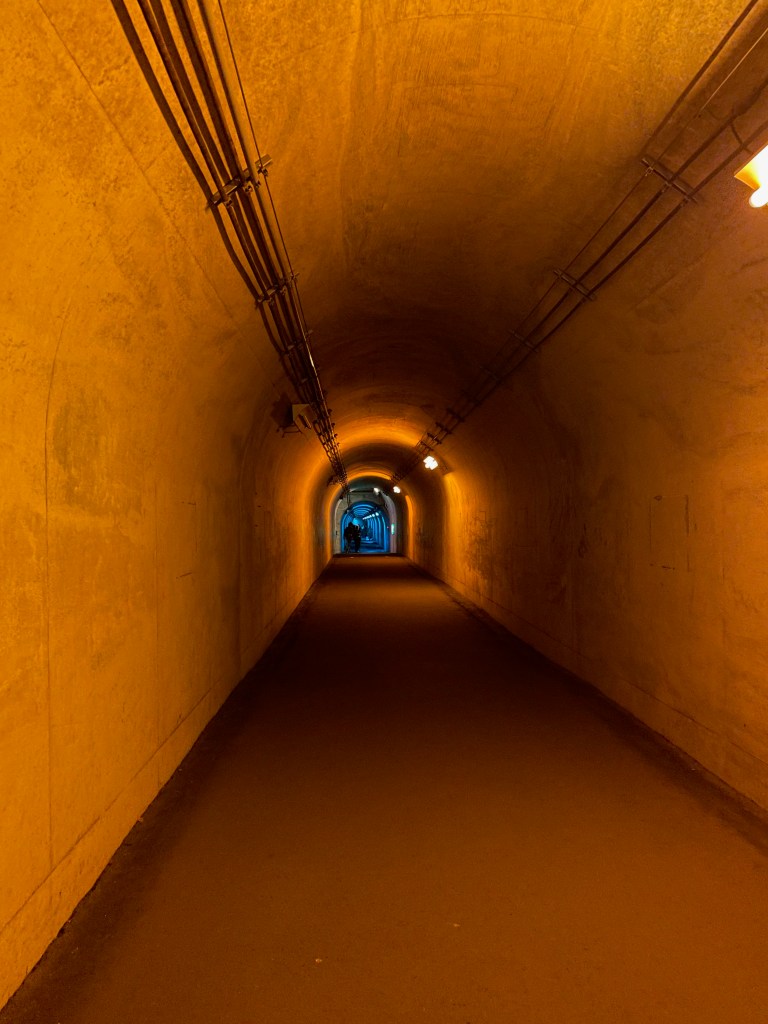
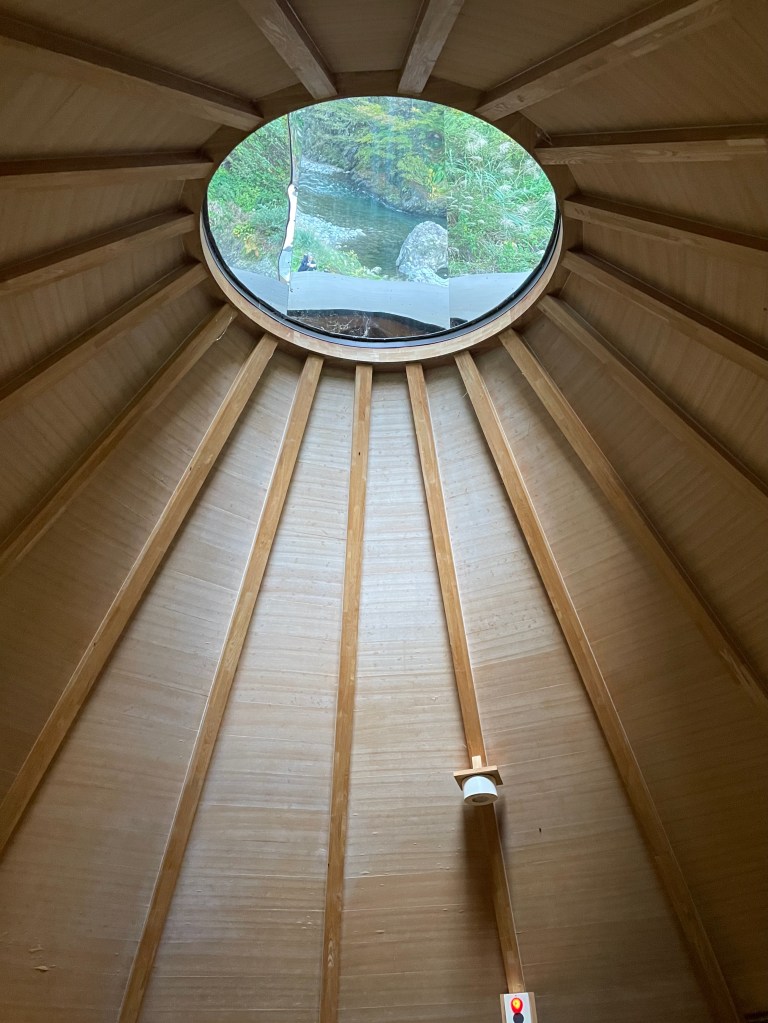
Kiyotsu Gorge, also known as the Tunnel of Light, is a remarkable attraction located in Niigata, Japan. Designed by MAD architects, the Gorge is truly a sight and visual experience. It is almost like an art exhibition in itself. The gorge features a long tunnel that creates a surreal atmosphere with its play of light and shadows. At the end of the tunnel, there is a reflective water area where you can capture stunning photos.

It costs 1000 yen to enter the tunnel. Depending on the crowd, I suggest going right to the end where you can take photos in the tunnel over the reflective water. When we got in, there was already a short queue but by the time we were done, there were a lot more tour groups queuing to take pictures. Big poses are recommended.

After exploring tunnel, we had some ice cream at the shop right at the entrance of the tunnel, and had a foot bath. Aim for the 3:57 PM bus ride back to Yuzawa(湯沢駅). Otherwise, the last bus will come at 5:57PM.

Be careful if you decide to wait for the last bus. There might be scams and people targeting Japanese speaking tourists when the night falls.

3:57PM Bus from Kiyotsu Gorge to Yuzawa(湯沢駅). Bus ride costs 500 yen. There was no option to use Suica or Pasmo this trip, so prepare some cash on hand. For the return, remember to take a ticket when boarding. The number will determine how much you pay! If you lose it, you will have to pay the full price.

Ryokan Shosenkaku Kagetsu 松泉閣 花月

5PM First day ended with us checking into our Ryokan Shosenkaku Kagetsu 松泉閣 花月, 5mins from Echigo Yuzawa station. Beautiful onsen ryokan, with very friendly staff. The ryokan has a bit of rustic feel, very clean and comfortable. Loved the smell of the tatami and enjoyed the sight of koi swimming in a stream as we walked into the ryokan. We had dinner at the ryokan that night and it was a wonderful spread from the lands of Niigata.

****

Itinerary

  • 10:00AM Brunch at Ramen Street in Tokyo Station
  • 11:40AM Train to Echigo Yuzawa on Joetsu Shinkansen Toki 319
  • 12:58PM Arrive at Echigo Yuzawa Station
  • 1:10PM Bus to Kiyotsu Gorge Entrance stop (清津峡入口 Kiyotsu kai iriguchi)
  • 1:34PM Reach Kiyotsu Gorge Entrance stop
  • 2:00PM Reach Kiyotsu Gorge Tunnel of Light
  • 3:30PM Leave Kiyotsu Gorge
  • 3:57PM Bus from Kiyotsu Gorge to Yuzawa(湯沢駅)
  • 4:25PM Reach Echigo Yuzawa Station
  • 5PM Dinner and onsen at ryokan

One of the best purchases I have made this year

Magnetic tip wires are fantastic! Helped me to reduce the clutter on my desk by replacing at least 3 wires with just 1!

Using Chargeasap infinity

My keyboard uses USB-C while my iPhone uses lightning and my headphones uses micro usb. The wire and magnets were robust enough to allow me to switch between devices effortlessly.

I loved it so much I regretted not buying more on my first purchase. The downside is that it is a little expensive. Thankfully there was a sale and I got 6 more of the tips.

What I like about it

  • The strength of the magnets are about right to have the wire connect snuggly by itself and at the same time allow me to remove effortlessly. There is still room for more strength as the wire can be knocked off.
  • Wire casing is strong and sturdy thus it hangs neatly and does not mess up.

What are some of the shortcomings

  • I did not have an adapter for USB-C so had to buy a small USB 3.0 Male To Type C Female Mini converter.
  • While the product came with a tool to remove the tip, it was rather difficult to pull it off.

This site is not affiliated to chargeasap.

Managing time

Covid-19 has hit us all, indiscriminately. It has affected the way we live, the way we work and the way we play. Some of us have to change the way we work, such as working from home and having to meet others virtually. Many have said that they seem to have gotten busier, have longer working hours, and heavier workload.

I am no productivity expert – just another office worker – but I have been interested in improving my productivity, and have looked into various methods to manage my workload. During this period, I find that some of things that had worked for me in managing time, work and email inbox have continued to help me greatly.

I have decided to share three most important practices that have worked for me, and hopefully they will benefit you too!

Establish a review system

I started Bullet Journaling 2 years ago. I have modified it to suit my style but the basic concept of what I do follows Bullet Journal by Ryder Carroll. I use it for personal and for work. Ever since I started Bullet Journaling, I have a greater sense of purpose, productivity and achievement. You can read up on Bullet Journaling separately.

To me, the key is constant review – and doing it at a pace that I am comfortable with. For me, I review daily, weekly, monthly, quarterly and annually. Break things down into smaller tasks or bitesize actionable items, log them and review them. It keeps me focused on the tasks that are important now while tracking my goals in the long term.

[Note: My friend shared that Getting Things Done is another great resource. You can read up on that too. This site is not affiliated to any of the methodologies mentioned.]

Keep todo list separate from Inbox and clear Inbox

I had felt frustrated in the past when I realised I kept opening and reading emails which I have already read. I felt that I should not be wasting time on such tasks. I realised the problem lied in the fact that my inbox was cluttered with emails which I kept as actionable items but I could not follow up just yet. Either because I was waiting for some input or I had other urgent tasks to work on first.

I manage my inbox very differently now – and I keep my todo list separate from my Inbox. The key is to always perform an action (delete or remove from Inbox) after an email is read. Either I read and remove, reply and remove or log it into my todo list and filing the email away. The action is determined by the amount of time I need and have on hand. If an email takes less than 15 mins to read or reply, I will perform the task required and either delete or archive the email. If an email require more time, I will log it in my todo list and file the email away to be retrieved for action when I have time for it.

This way, even if I do not have time to address an issue till 1 week later, I do not have to waste time rereading the email till I need it.

Quiet Thursdays

I came across a TED talk many years back, talking about setting aside quiet time for ourselves for thinking. The talk left a deep impression. The talk also spoke about how we take time to ‘ramp up’ to our optimal working state, and meetings and phone calls can disrupt this ‘optimal work cycle’. Unfortunately, I cannot recall the name of the talk nor the speaker anymore.

The key point is about controlling my work cycle rather than have external factors disrupt these productive cycles. As such, one option is to instil ‘quiet’ days where there are zero meetings or calls. This is hardest to maintain, however, I think it is most beneficial. Calls, meetings can be disruptive as they are usually set at a time not determined by me. Emails and messages on the other hand can be addressed by me at my own pace.

And I hope that you will find them useful for you too!