

Day 3 Summary:
7:00 AM: Breakfast at Kiso Mikawaya
8:55 AM: Depart Kiso-Fukushima Station 木曽福島 via Chuo Line
9:11 AM: Arrive at Yabuhara Station 藪原
9:11 AM – 12:15 PM: Hike from Yabuhara to Narai-juku 奈良井宿 via Torii Toge Pass 鳥居峠 (3hr, 9.3km)
1:00 PM: Explore Narai-juku and late lunch at Kiso Tanakaya 木曽田中屋
2:00 PM: 40 min walk to Kiso Hirasawa 木曽平沢
3:36 PM: Train from Kiso Hirasawa 木曽平沢 to Matsumoto 松本
4:48 PM: Arrive at Matsumoto
Evening: Dinner at Tsukumo 九十九 Matsumoto
Day 3 of our Nakasendo adventure brought us to what would be the steepest climb yet—the legendary Torii Toge Pass connecting Yabuhara to Narai-juku. After two days of hiking, our legs were feeling the accumulated miles, but the promise of one of Japan’s best-preserved post towns kept our spirits high.
7:00 AM: We started the day with a hearty breakfast at our lodging, Kiso Mikawaya, fueling up for what we knew would be a challenging ascent. The mountain air was crisp and dry—perfect hiking weather.
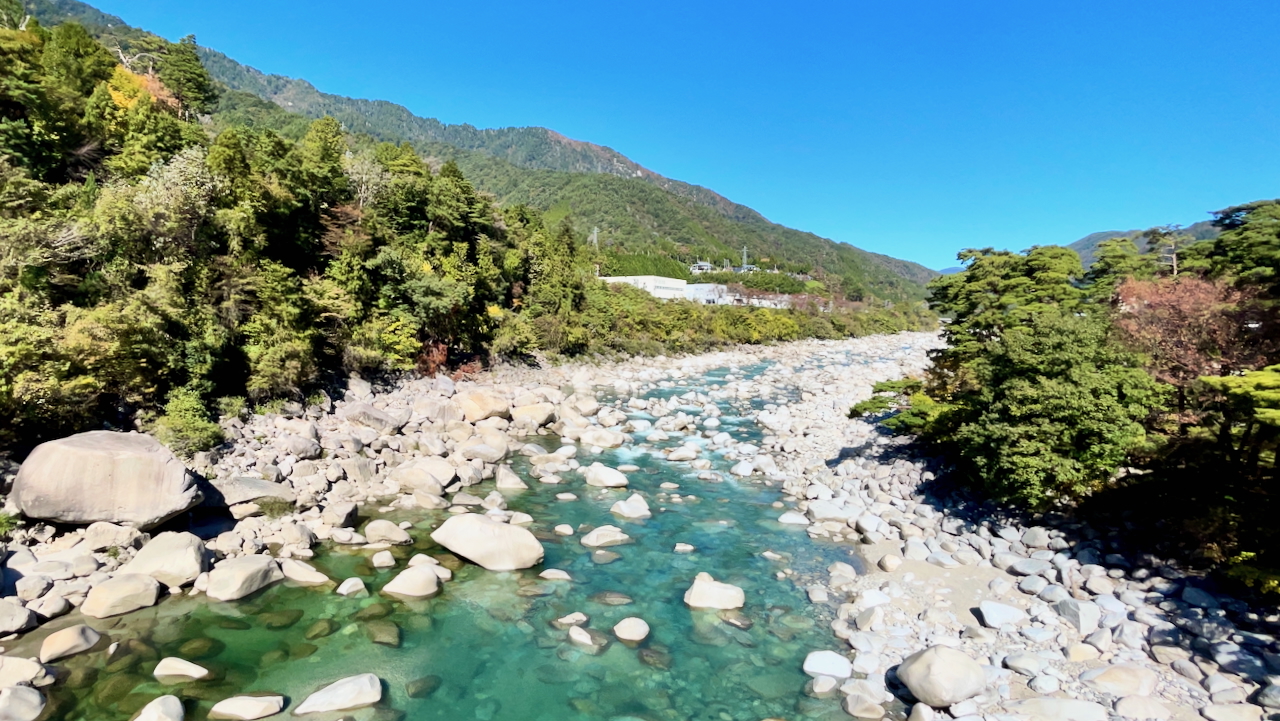
8:55 AM: From Kiso-Fukushima Station 木曽福島, we boarded the local Chuo Line bound for Yabuhara 藪原. The short 15-minute train ride through the Kiso Valley offered a preview of the mountainous terrain we’d soon be climbing.
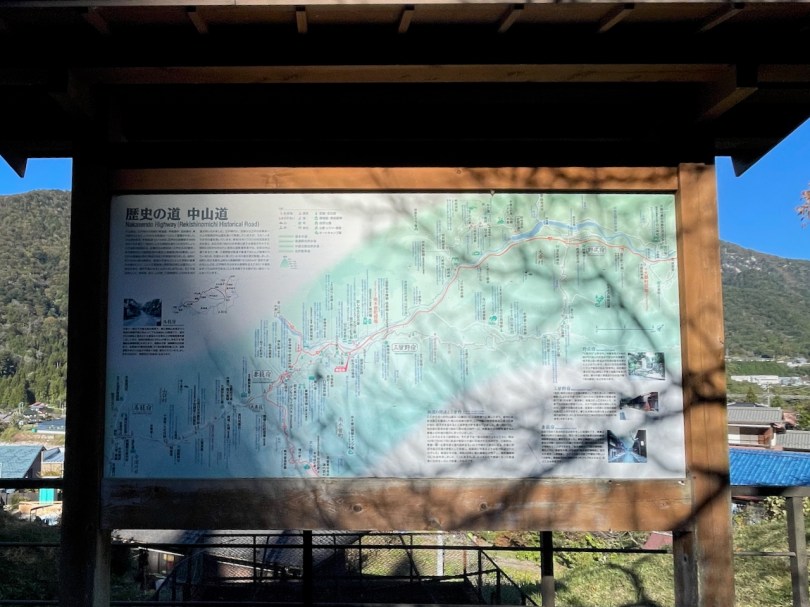
The Yabuhara to Narai section via Torii Toge Pass is said to be one of the most historically significant stretches of the entire Nakasendo 中山道 Trail. During the Edo period, this route was notorious for being the most treacherous and difficult section of the 500+ kilometer journey between Kyoto and Edo. Torii Pass, at over 1,000 meters elevation, stands as the highest point along the entire Nakasendo. The pass earned its name from a torii gate constructed under the order of Kiso Yoshimoto 木曾義元 (1475-1504), who prayed there before battle and subsequently built the gate in gratitude for his victory. Because of the challenging terrain of this mountain crossing, the post town of Narai on the other side flourished as weary travelers desperately needed rest and accommodation after conquering the steep ascent and descent. This geographical challenge is said to transform Narai into one of the wealthiest post towns on the Nakasendo, earning it the legendary nickname “Narai of a Thousand Houses” 奈良井の千軒 due to its abundance of inns and guesthouses. Beyond Narai lies Kiso Hirasawa, not a post town for travelers but rather an artisan village that became the heart of Japanese lacquerware production for over 400 years, supplying exquisite crafts that were distributed throughout Japan via the Nakasendo.

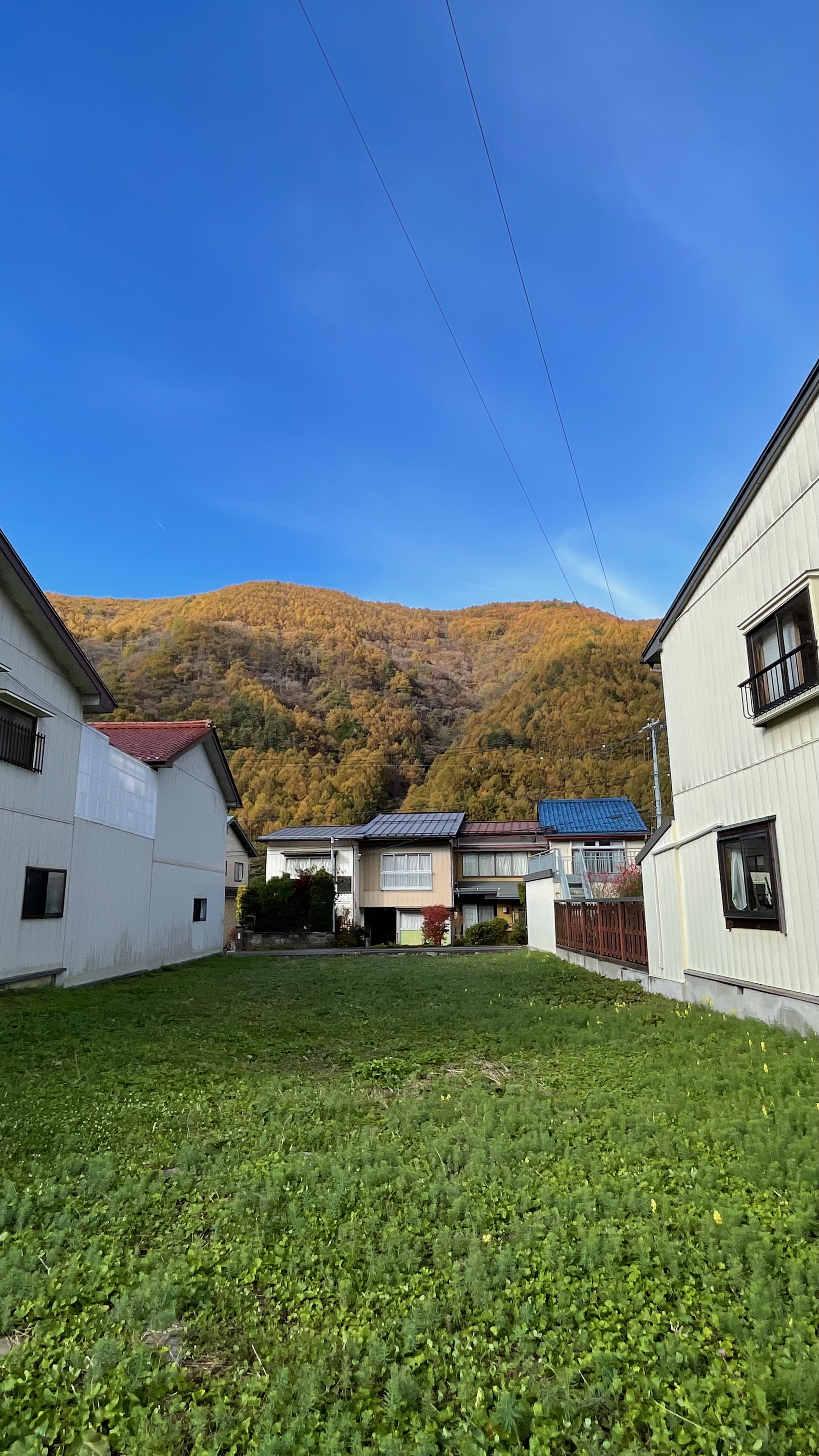
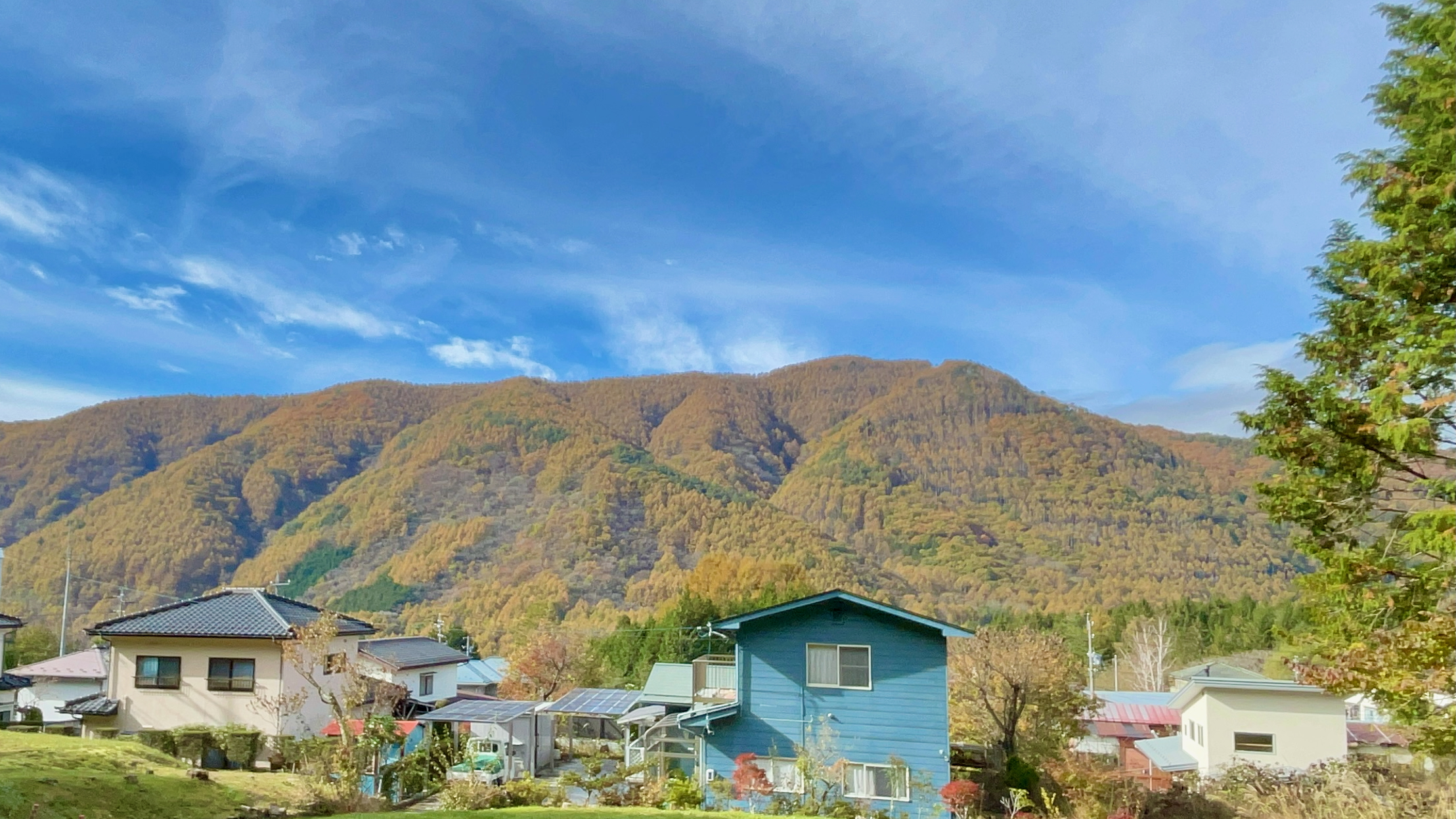

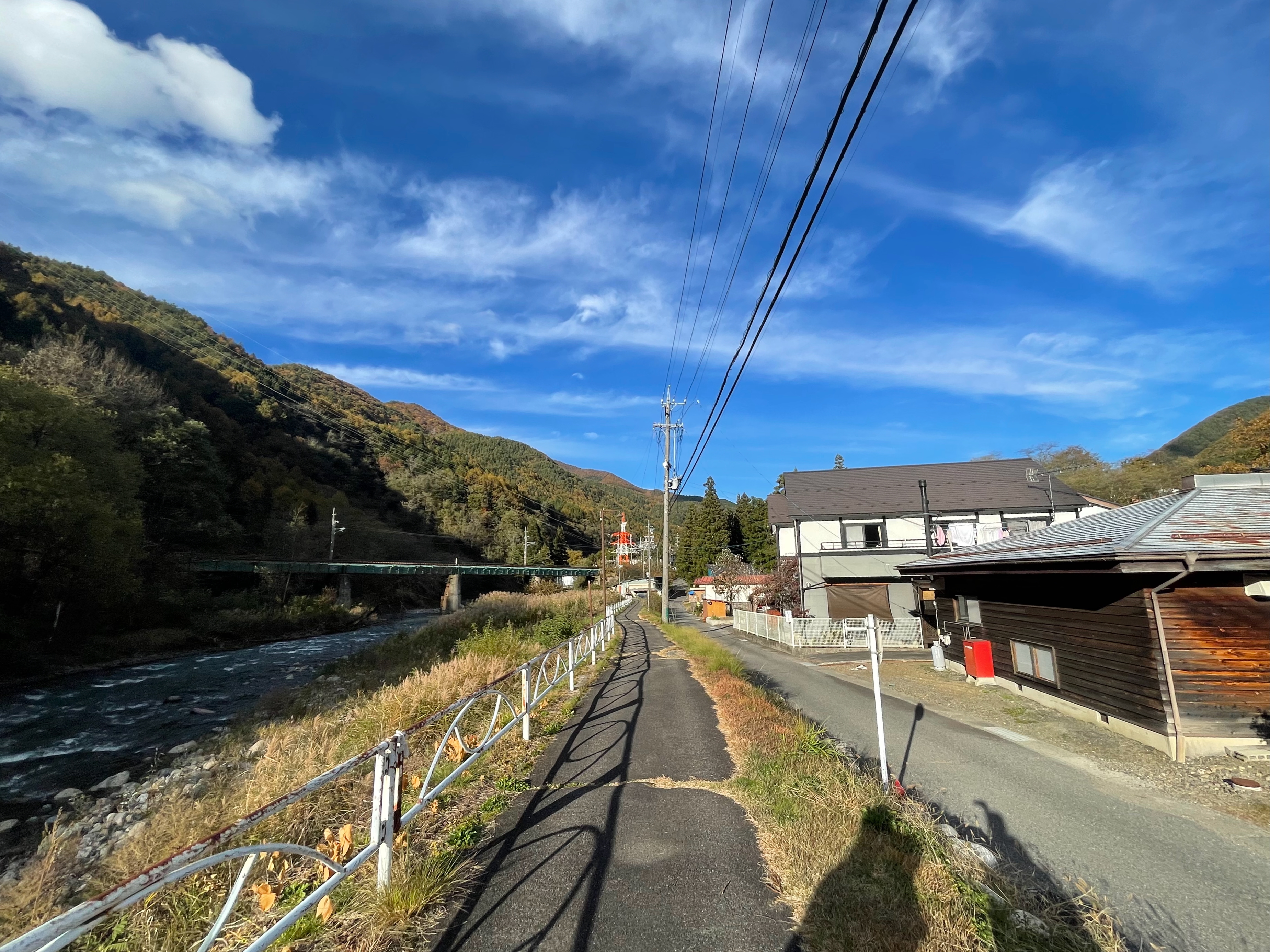
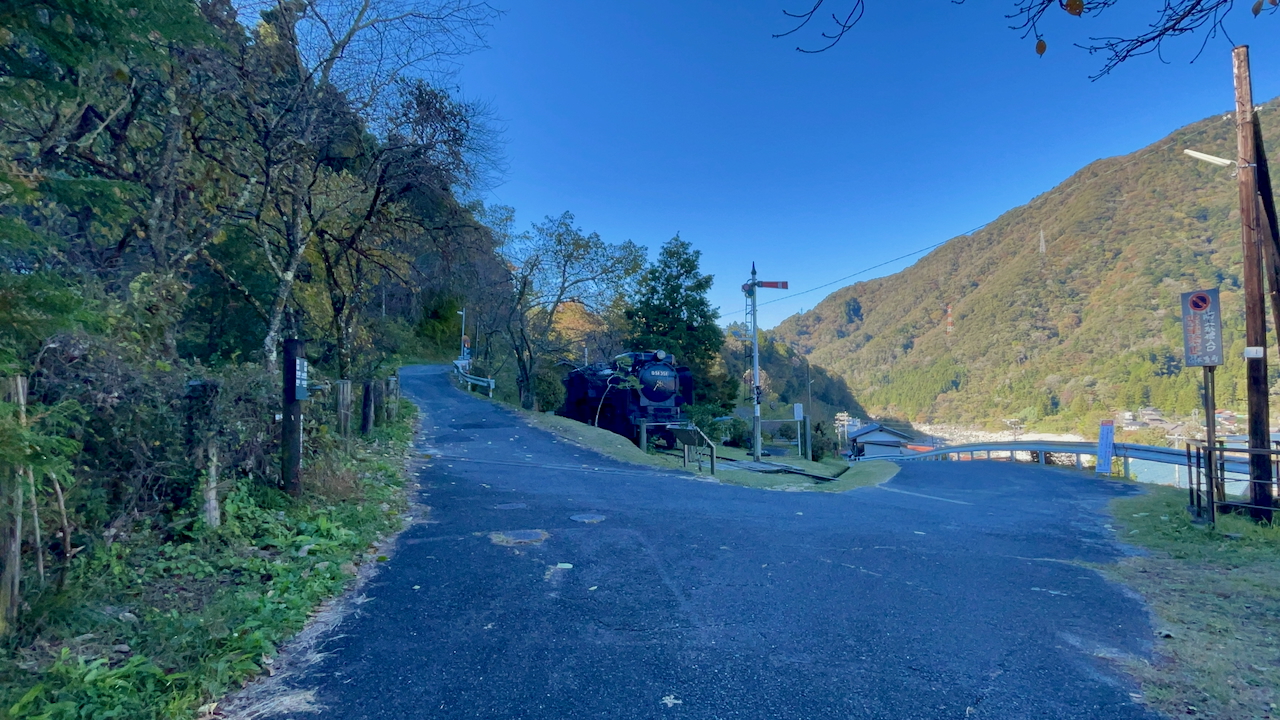
9:11 AM: We arrived at Yabuhara Station 藪原, a small mountain village that marks the start of one of the Nakasendo’s most historic—and most demanding—sections. Without much time to explore, we walked through the quiet town streets, following the trail markers that would lead us up and over Torii Toge Pass 鳥居峠.
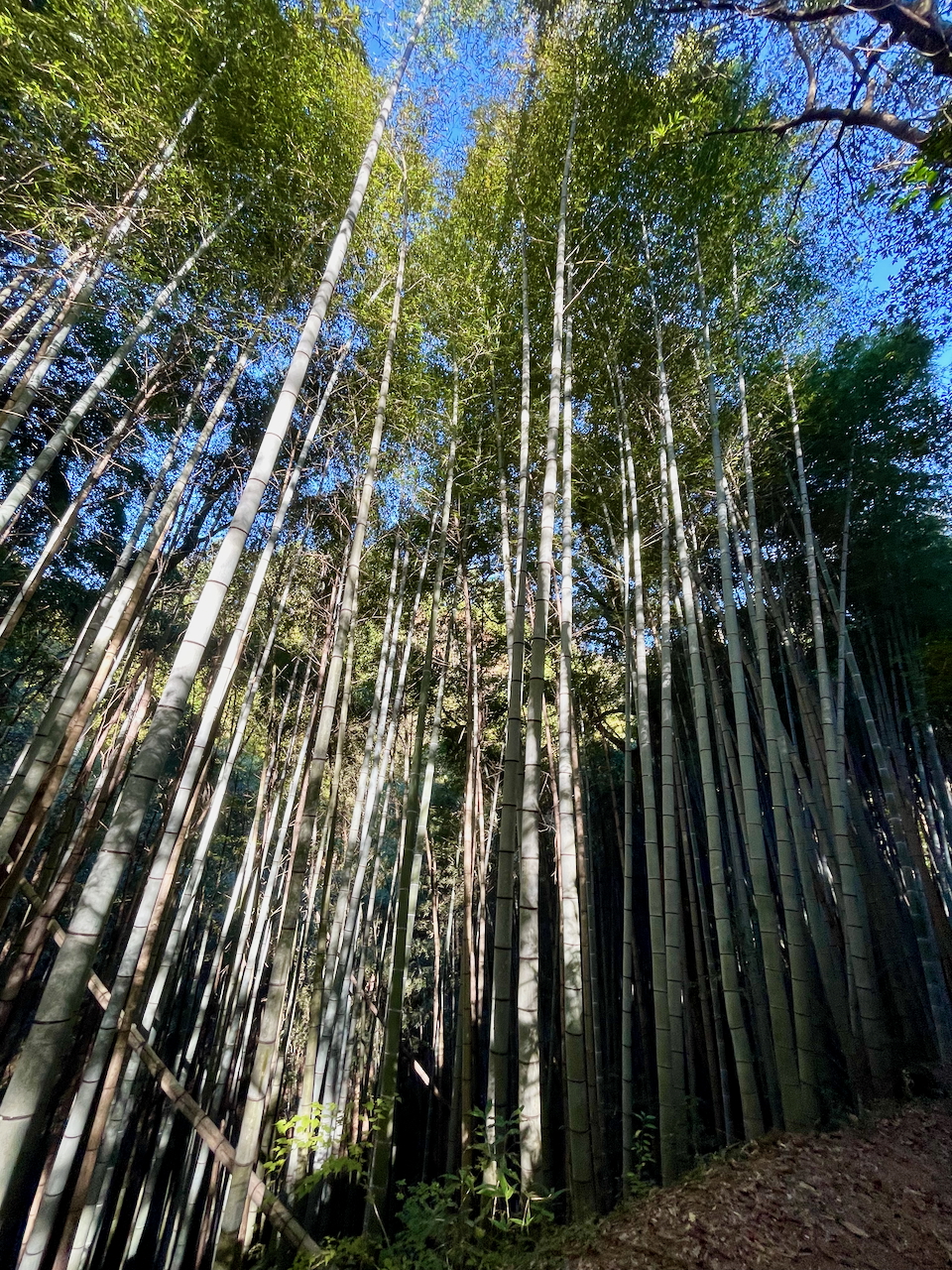
The ascent began almost immediately. Unlike the gentler trails of the previous days, this route wasted no time gaining elevation. The path wound steeply upward through dense forest, and we quickly understood why this section has a reputation among Nakasendo hikers. The climb was relentless but manageable, with the trail well-maintained and clearly marked.
What made this climb truly memorable wasn’t just the physical challenge—it was an unexpected encounter. Along the trail, we met a remarkable group of Japanese seniors, ranging in age from their 60s to 80s, who were tackling this very route. Through brief conversations and shared smiles, we learned they were experienced hikers who had walked not only the Nakasendo multiple times but also international trails like the Camino de Santiago. Their energy, determination, and obvious joy in the mountains were incredibly inspiring. If they could conquer these steep mountain passes with such enthusiasm, we certainly had no excuse to complain about sore legs!


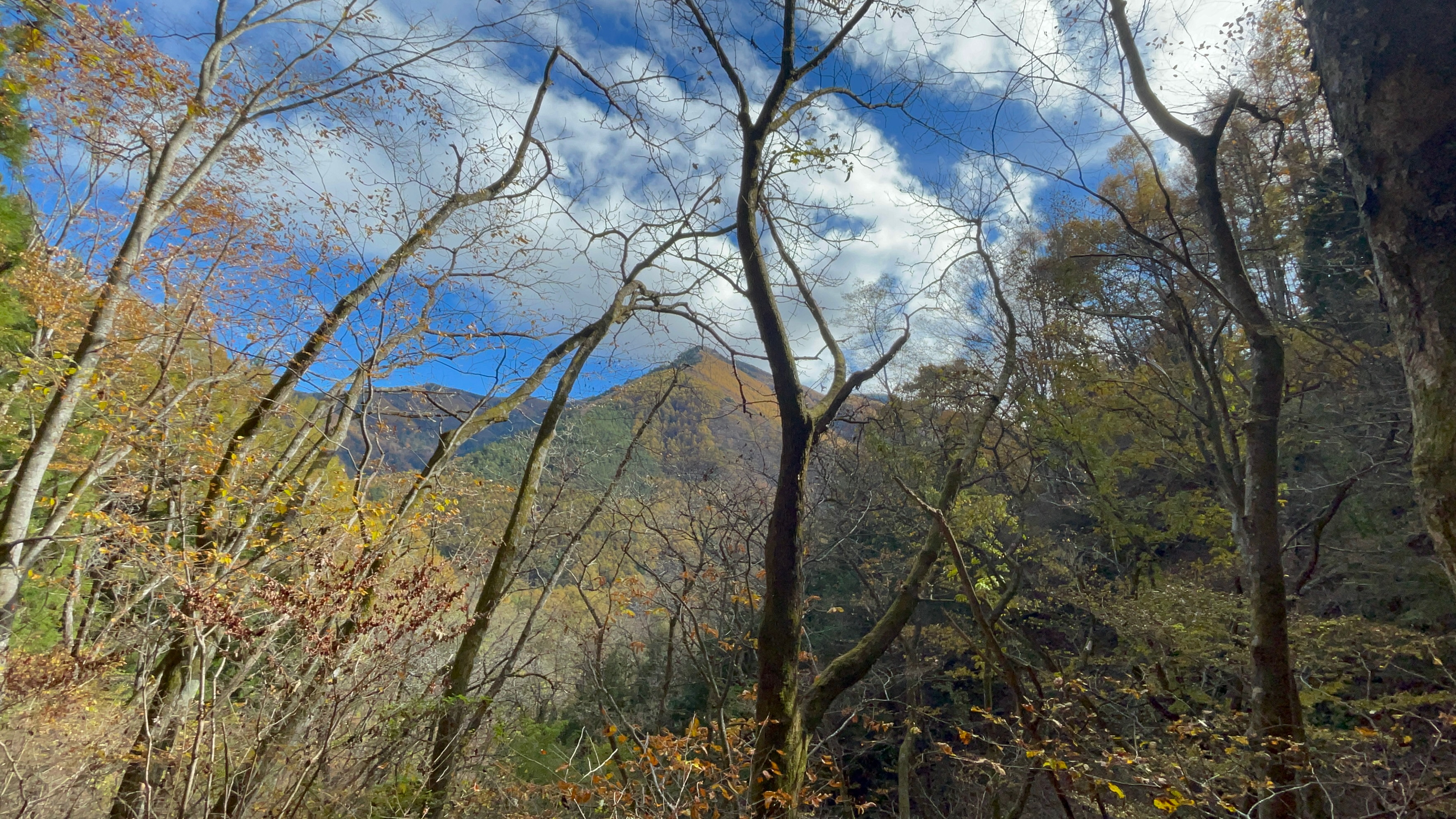
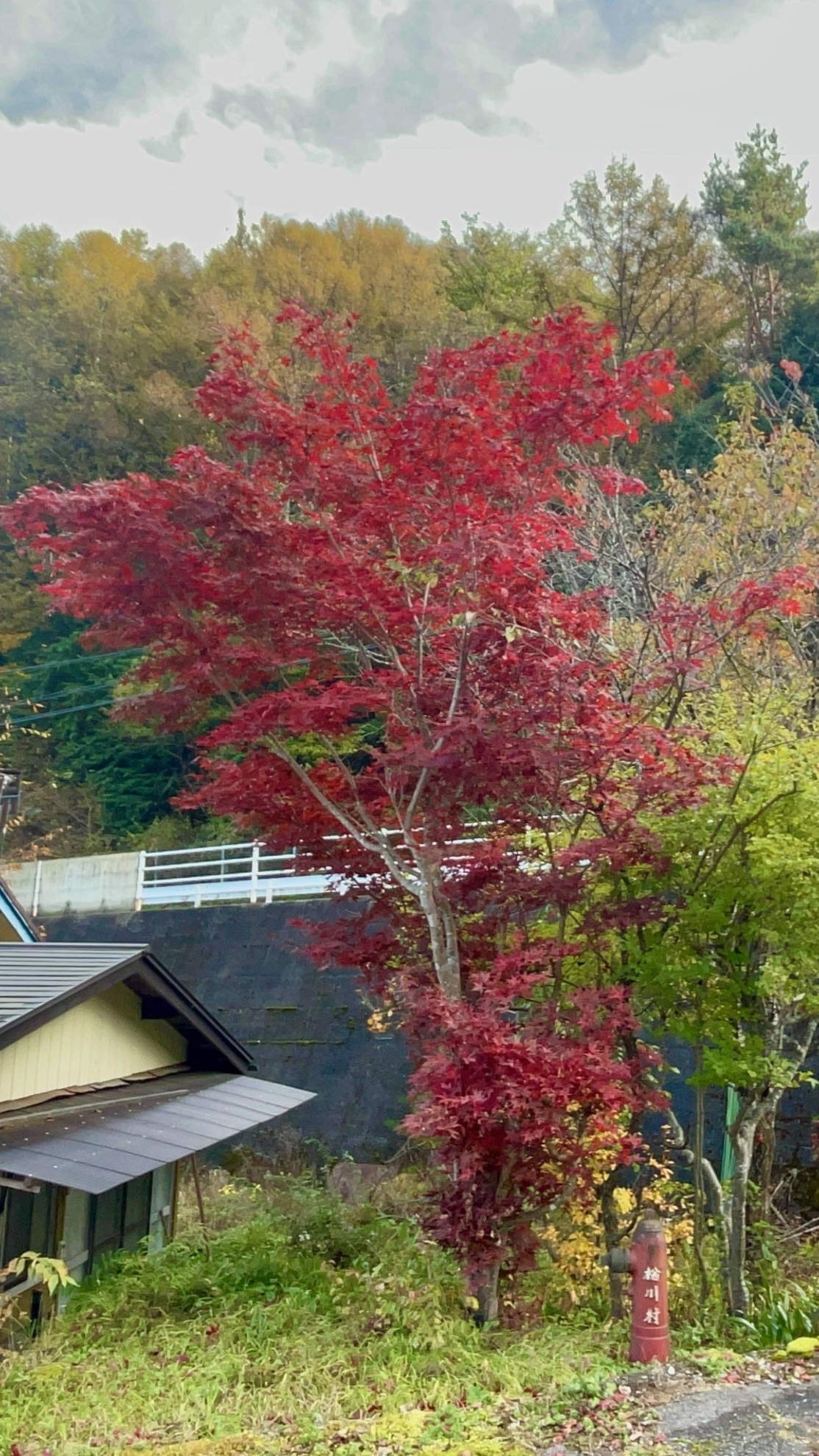
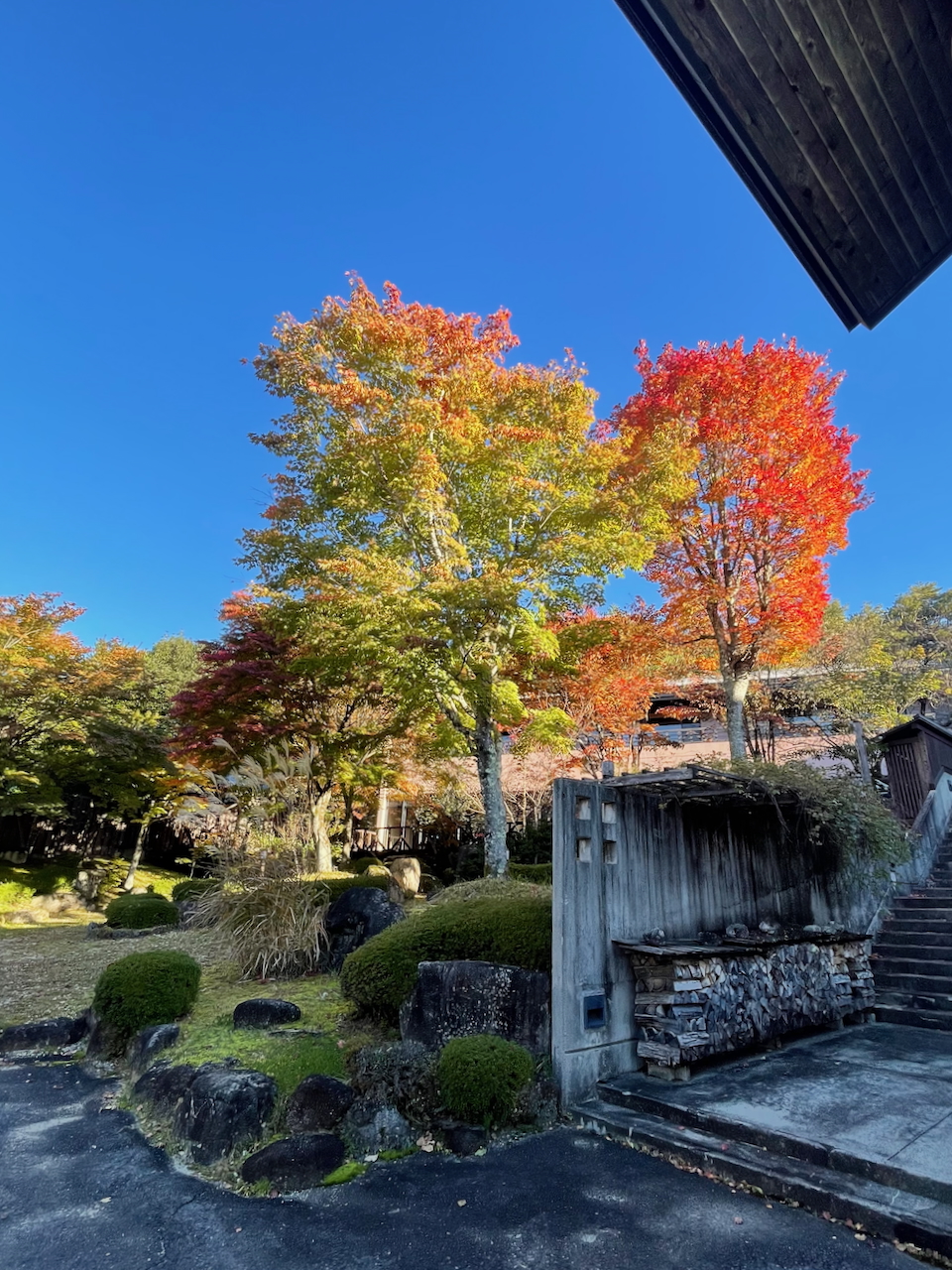
As we climbed higher, the forest transformed around us. Autumn had painted the mountainside in brilliant shades of gold, orange, and red. The rustling of leaves in the breeze created a tranquil soundtrack to our ascent, and we found ourselves stopping frequently. Not just to catch our breath, but to capture the stunning fall colours on camera. The play of sunlight through the canopy created magical lighting conditions that made every turn of the trail photo-worthy.

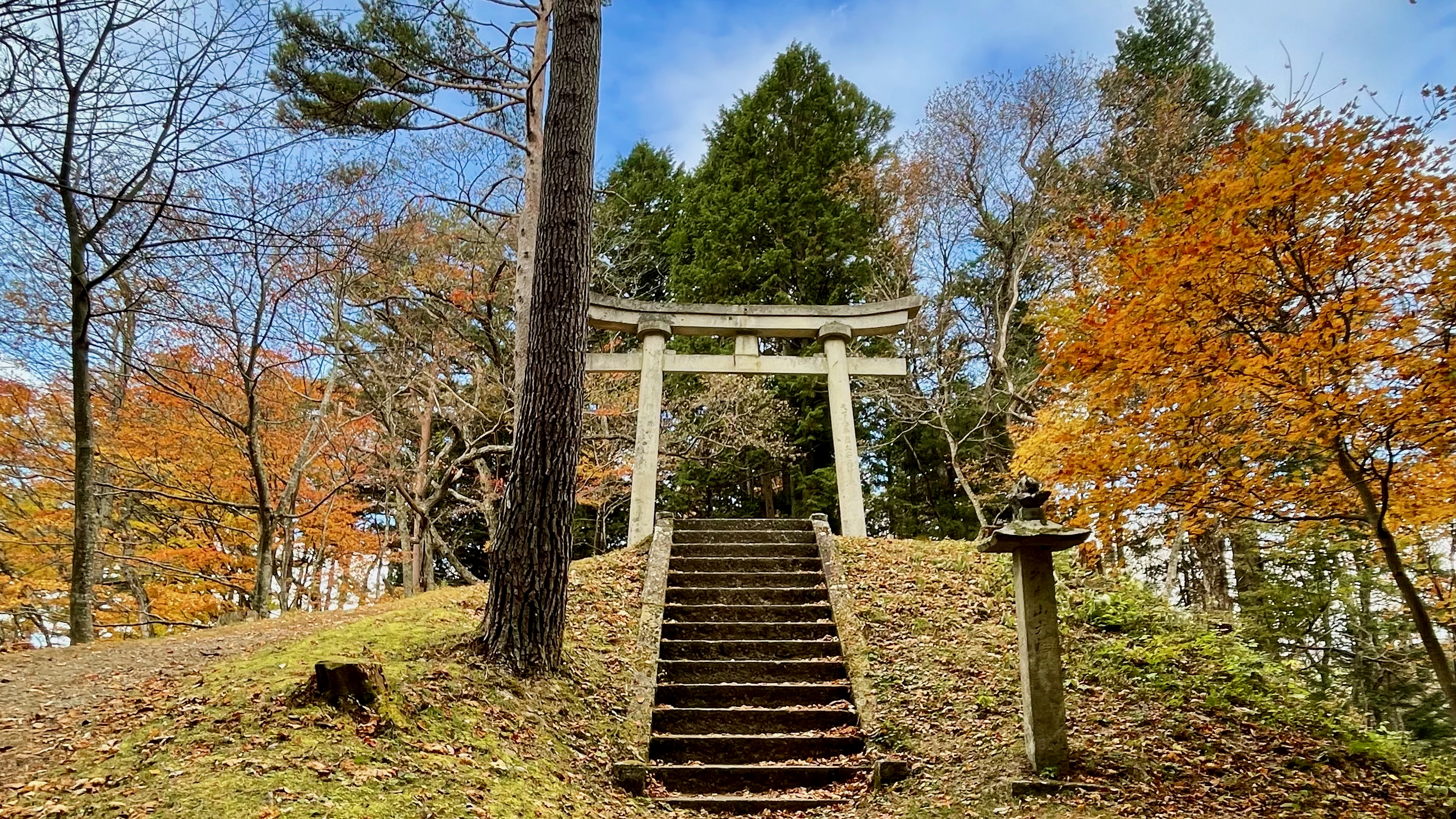
10:50 AM: Torii Toge Pass 鳥居峠 itself is a serene mountain crossing at approximately 1,197 meters elevation. The pass earned its name from the torii gate that once stood here, marking the boundary between domains during the Edo period. Though the climb was steep, it never felt dangerous or exposed—just a steady, determined push upward through beautiful forest. The sense of accomplishment upon reaching the pass was palpable.
We may have inadvertently taken a shortcut with our newfound senior hiking companions, but the route we followed was clearly well-worn by locals who knew the trail intimately. Sometimes the most authentic experiences come from following those who walk these paths regularly rather than strictly adhering to every mapped landmark.

12:15 PM: The descent from Torii Toge 鳥居峠 brought us to Narai-juku 奈良井宿, and we immediately understood why this post town is often called the jewel of the Nakasendo. Stretching nearly one kilometer along the old highway, Narai 奈良井 is remarkably well-preserved, with traditional wooden buildings lining both sides of the street. Unlike the quieter Tsumago or the steep Magome, Narai felt alive with activity—a testament to its accessibility by train, which has kept it thriving as both a historical site and a living community.


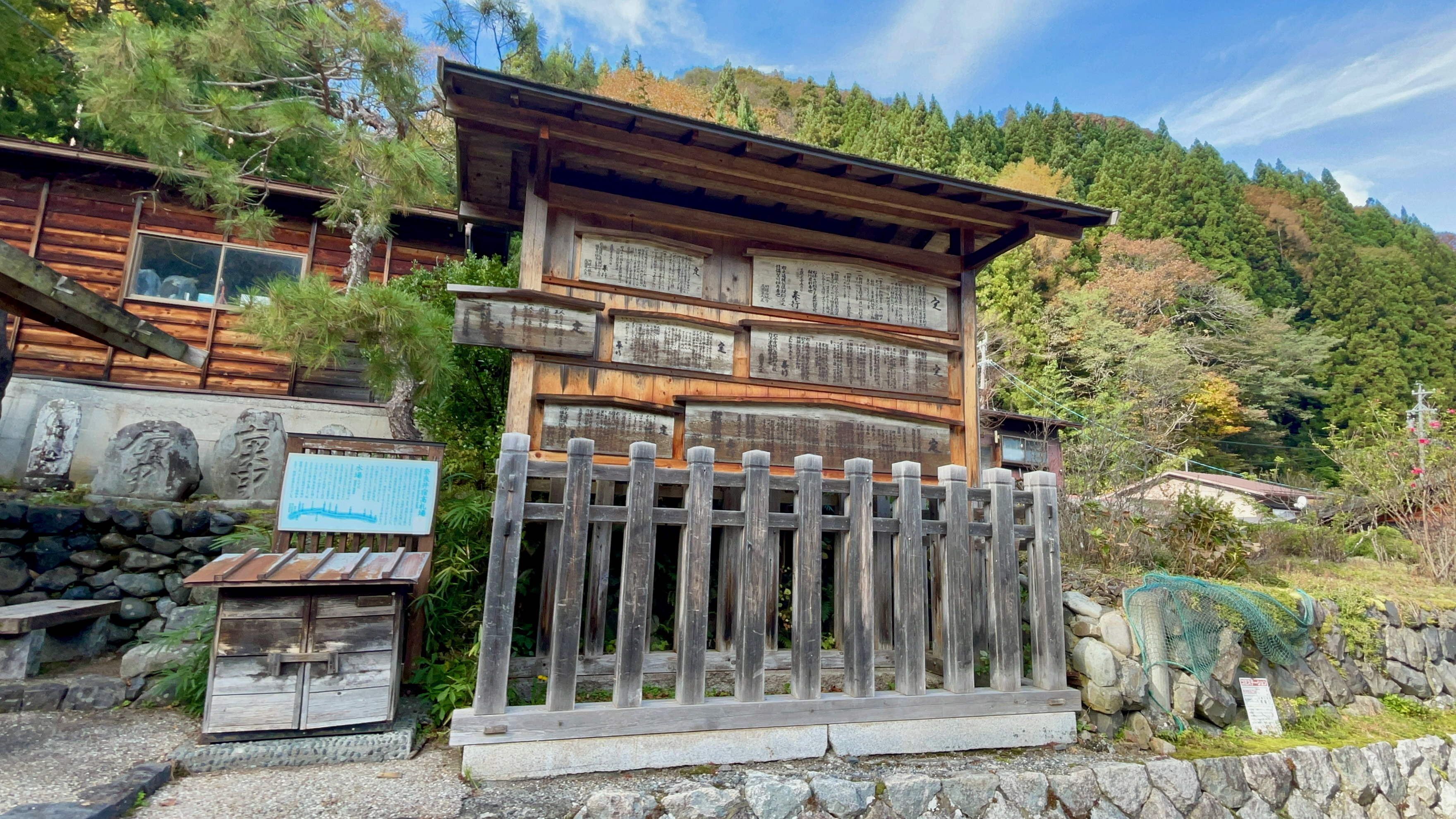
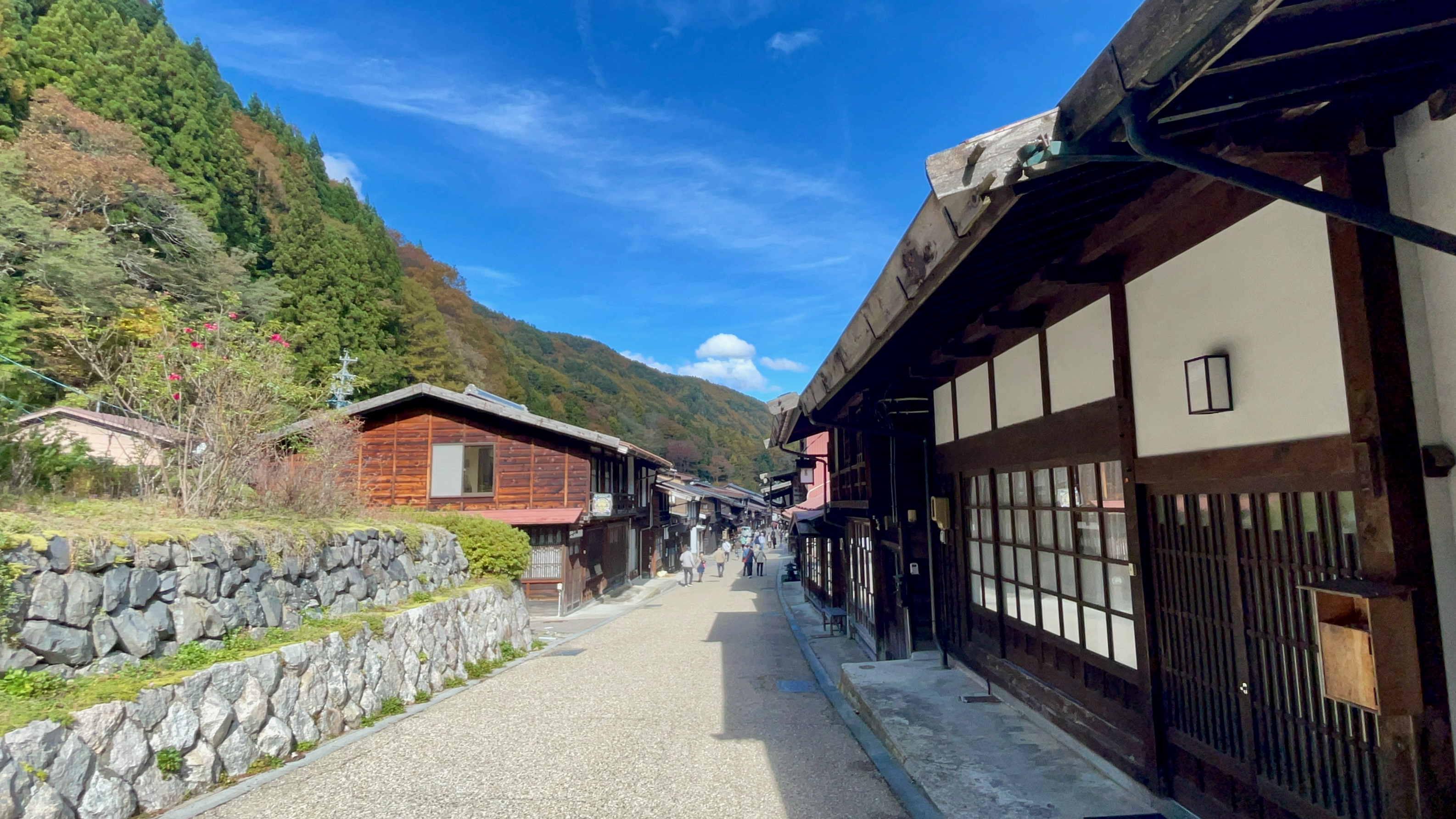
The main street was bustling with visitors, and the aroma of grilled foods and fresh soba wafted from numerous restaurants and food stalls. Many establishments had queues stretching out their doors, particularly the popular soba shops. After our strenuous morning hike, we were grateful to secure a table at Kiso Tanakaya 木曽田中屋, a cozy soba restaurant that perfectly embodied the traditional atmosphere of the post town.
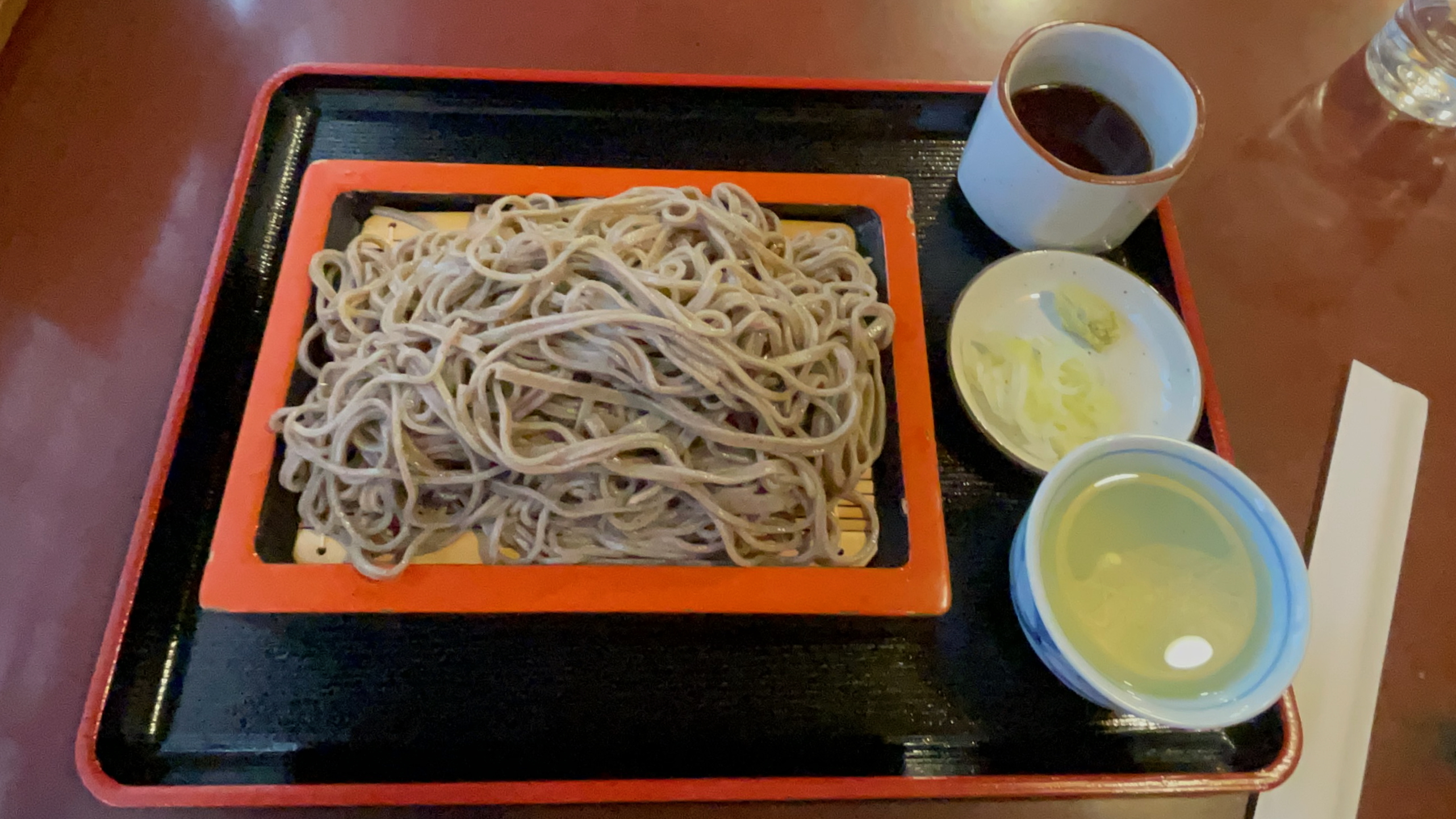

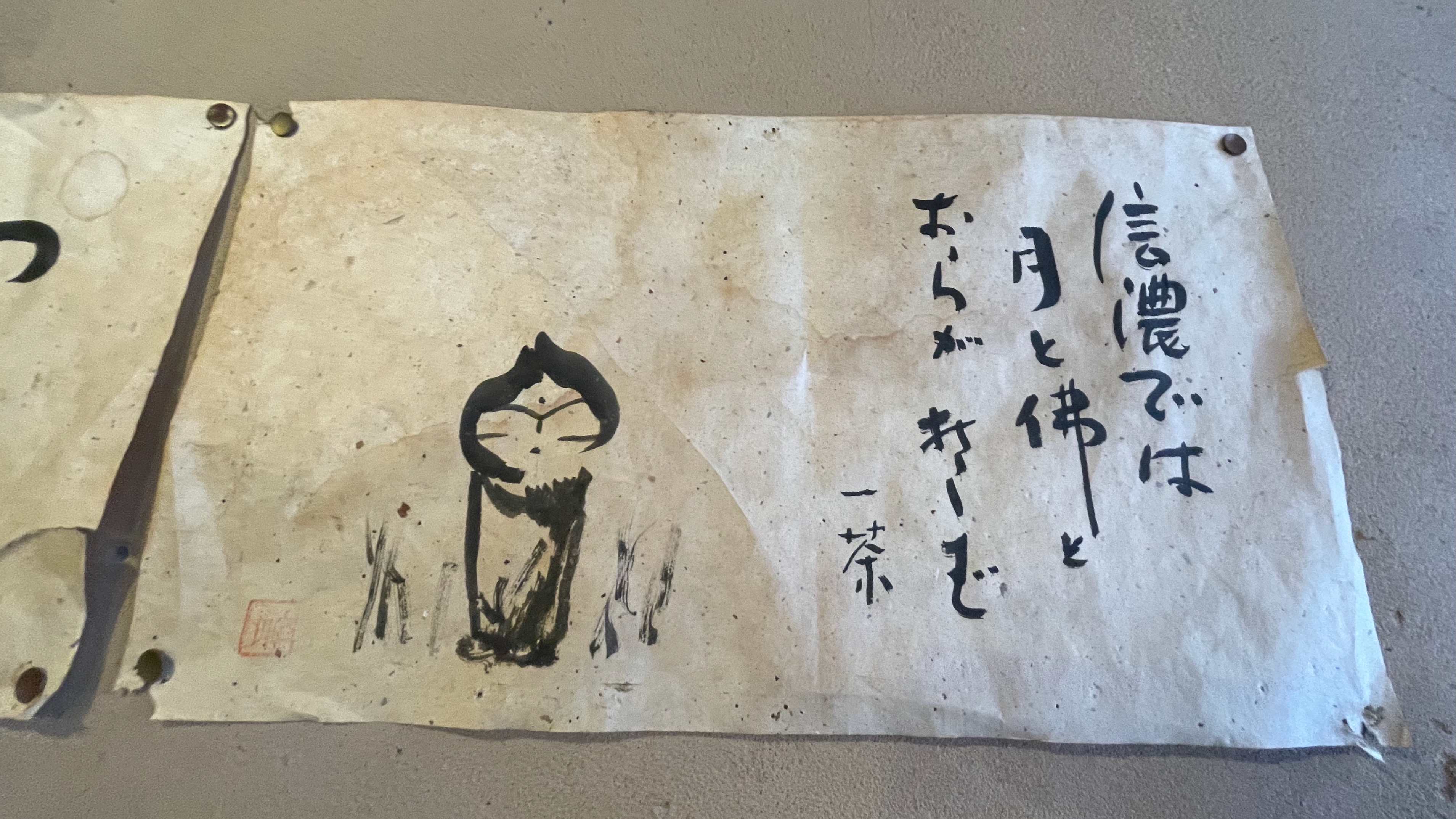
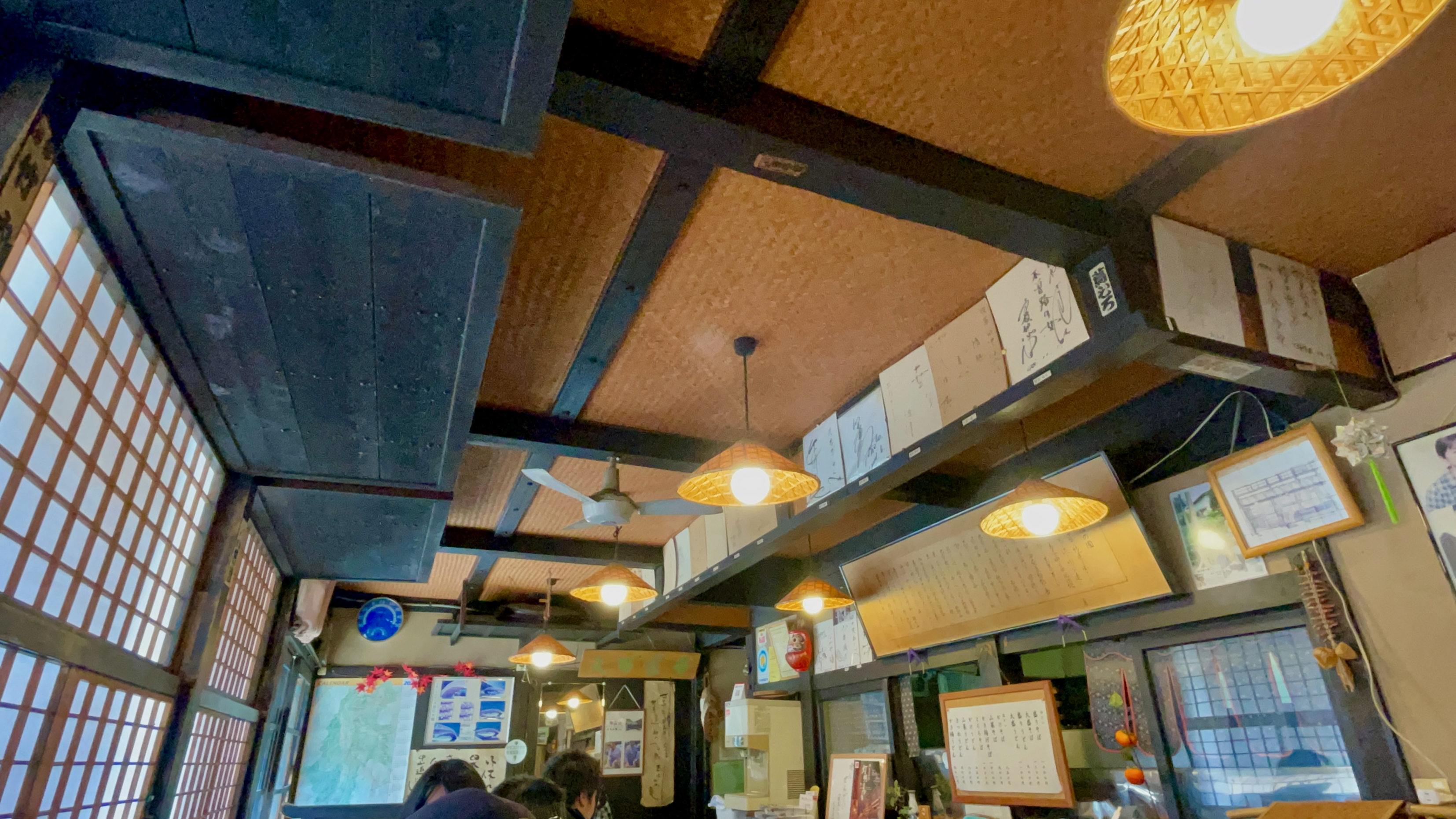
木曽田中屋 (Kiso Tanakaya)
〒399-6303 長野県塩尻市奈良井403
403 Narai, Shiojiri, Nagano 399-6303, Japan
Operating Hours: Please check
Traditional soba and local Kiso Valley specialties
The handmade soba was exceptional with just the right texture, served cold with a savoury dipping sauce. After hours of hiking, this simple meal felt like a feast. We took our time, savouring both the food and the warm, rustic ambiance of the restaurant.
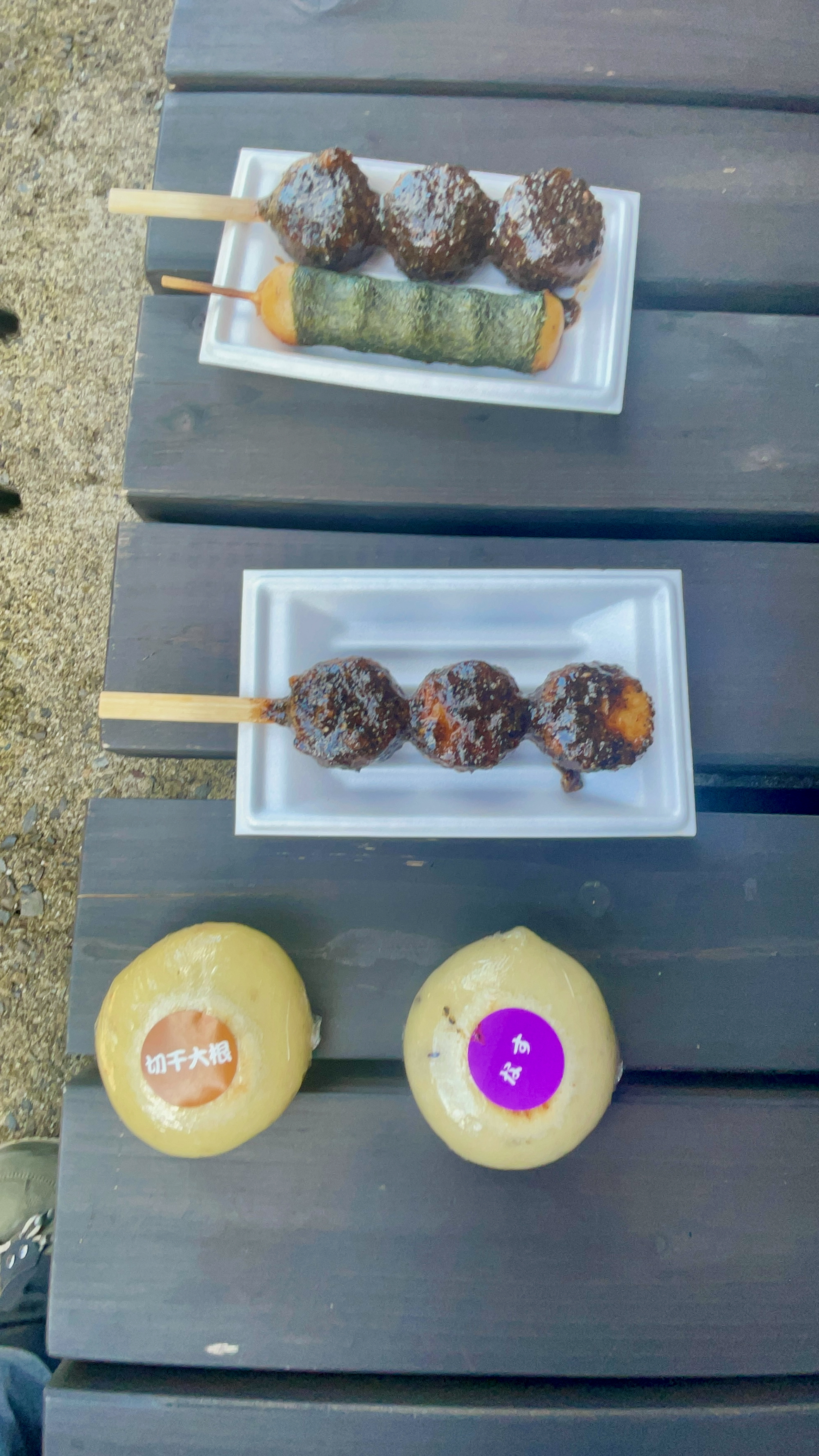
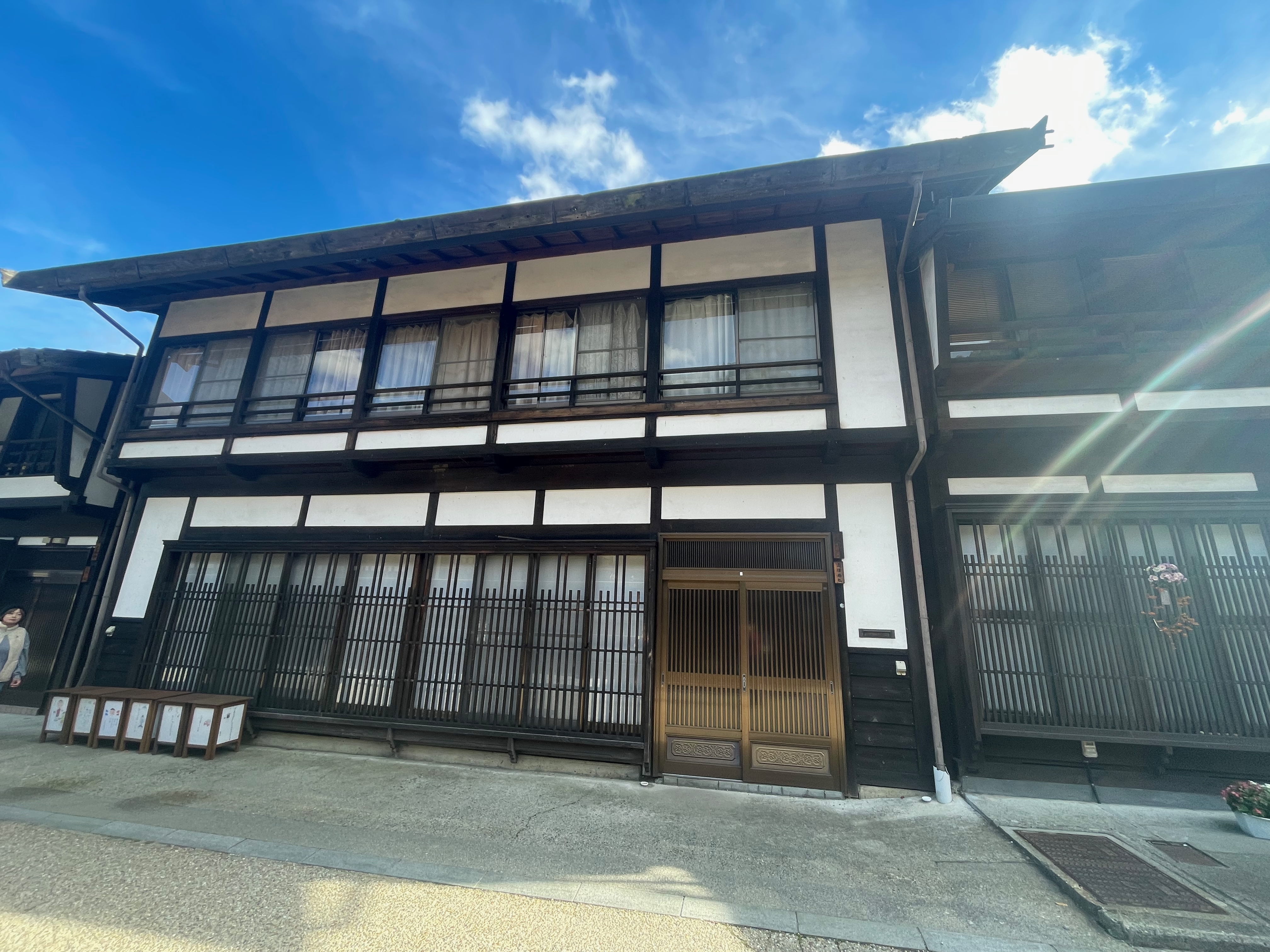

After lunch, we wandered through Narai 奈良井’s historic streets, admiring the preserved architecture and browsing the craft shops. The town specialised in lacquerware and woodwork, products for which the Kiso Valley has been famous for centuries. We passed traditional lacquerware boutiques, and tea houses, snacks and ice cream!
2:00 PM: Before catching our train, we made a quick detour to shop in Kiso Hirasawa 木曽平沢, a town renowned for its traditional lacquerware production. I couldn’t resist purchasing a beautifully crafted lacquerware cup as a memento of our journey—a practical souvenir that would remind us daily of the Nakasendo trail.
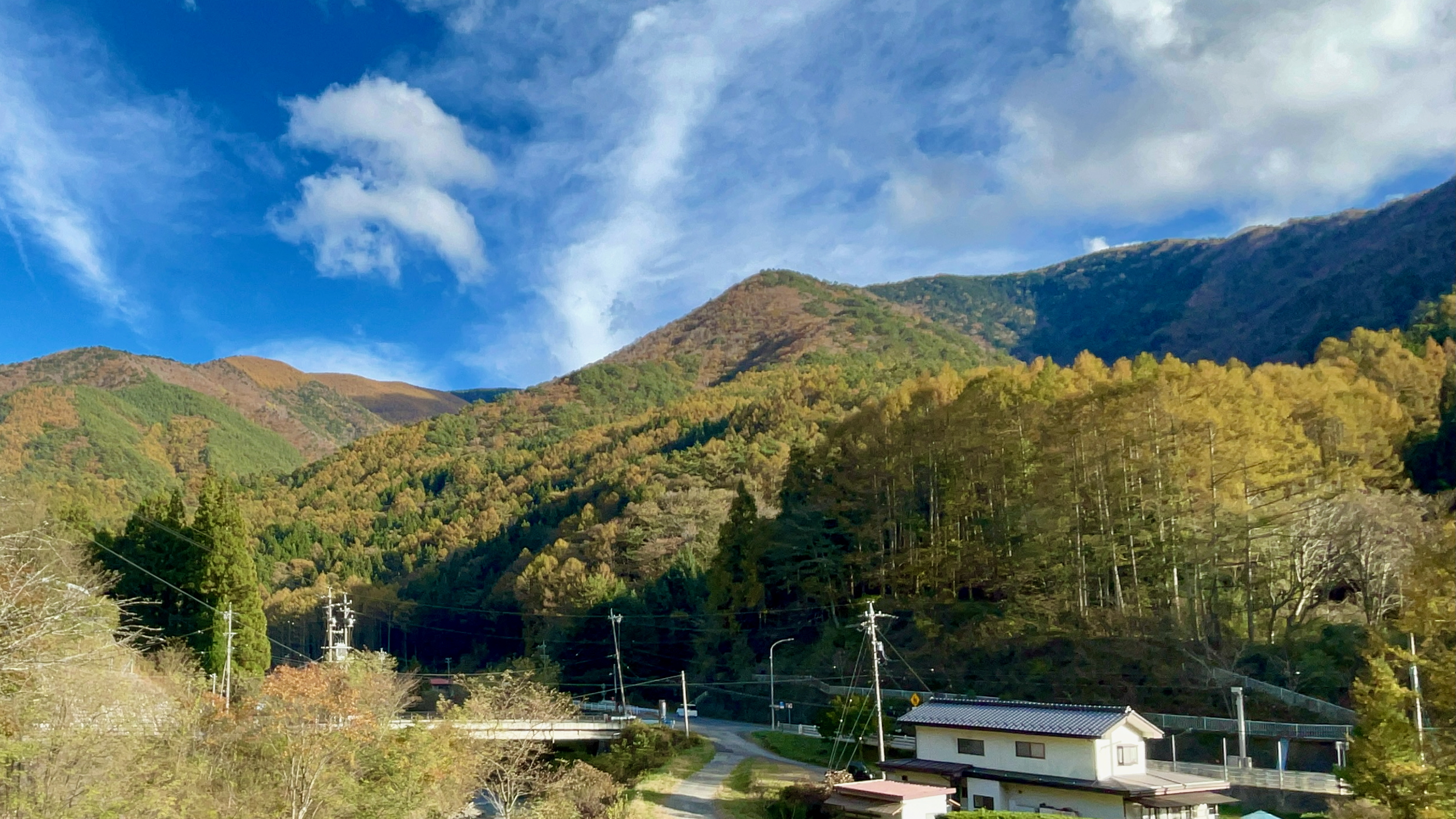


4:01 PM: From Kiso Hirasawa Station 木曽平沢, we boarded the Chuo Line to Matsumoto 松本. While Magome charmed with its steep, storybook streets and Tsumago impressed with its quiet authenticity, Narai balanced preservation with vitality. It’s a place worth revisiting—perhaps next time arriving by train rather than on foot, to explore it with fresh legs!
4:48 PM: We arrived at Matsumoto Station 松本 and walked the short six minutes to our accommodation for the night.
Tabino Hotel lit Matsumoto タビノホテルリット松本
〒390-0815 長野県松本市深志1丁目4-5
1 Chome-4-5 Fukashi, Matsumoto, Nagano 390-0815, Japan
https://matsumoto.tabino-hotel.jp/
The hotel lived up to its name—it was indeed pretty lit!
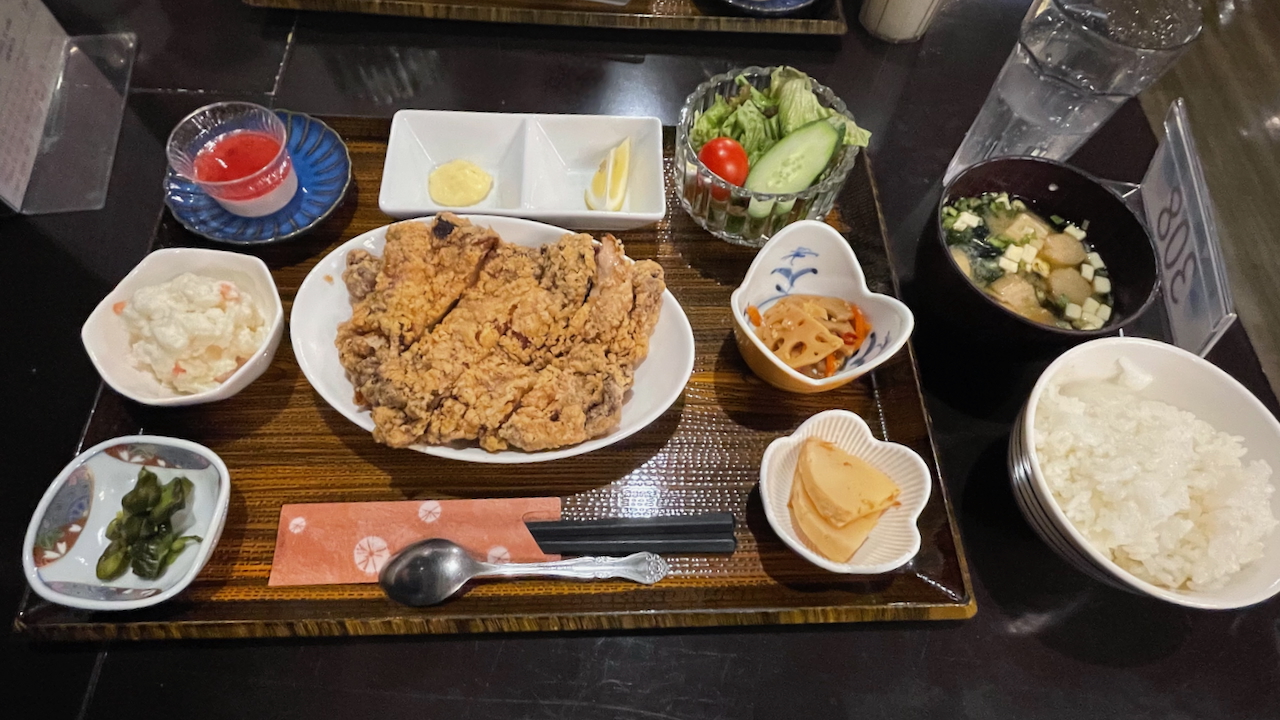
Evening: For dinner, we had a tough time looking for places to go as everywhere was full! We managed to get a table at Tsukumo 九十九, a local izakaya-style restaurant in Matsumoto. There were very friendly staff and great food. Over plates of regional dishes and cold beer, we recounted the day’s adventures—the inspiring senior hikers, the steep but beautiful Torii Toge, and the vibrant streets of Narai. The beer tasted particularly good after climbing over 28,000 steps and 9.3 kilometers, including what was definitely the steepest ascent we’d faced on the Nakasendo so far.

九十九 (Tsukumo)
松本市内
Matsumoto, Nagano
営業時間: 要確認(夕食は8:30PMまでオーダー可能)
Local Matsumoto cuisine and drinks
Exhausted but satisfied, we returned to our hotel for a well-deserved rest. Tomorrow would bring new sections of the trail, but tonight was for recovery.
Day 3 covered approximately 9.3 kilometers and 28,613 steps, with elevation gain over Torii Toge Pass. By this point in our journey, we were definitely building stamina, though our bodies were undeniably sore from the accumulated miles. The steepness of today’s trail was more challenging than Days 1 or 2, but the manageable duration (just 3 hours of hiking) made it feel achievable. The autumn colours, inspiring encounters with experienced hikers, and the reward of reaching Narai-juku made every upward step worthwhile. Note: Trip was made in November 2024.
For future hikers: Narai-juku is absolutely worth visiting, whether you arrive on foot via the Nakasendo or by train. The town offers the perfect blend of historical atmosphere and modern accessibility. The soba restaurants are excellent but popular—expect queues during peak times! Matsumoto also have great autumn colours and day hikes to explore!














 dreaming in ningzheaven