

Day 4 Summary:
8:30 AM: Breakfast at Abe Coffee
10:00 AM: Reach Agatanomori Park あがたの森公園 for autumn colours on foot
11:00 AM: Explore Nakamachi Shopping Street 中町通り
11:30 AM: Reach Matsumoto Castle 松本城 on foot
12:15 PM: Lunch at Sobaya Kamakuraya 蕎麦屋 鎌倉屋
1:15 PM: Return to hotel for luggage,
2:06 PM: Depart Matsumoto Station 松本 via Shinano to Nagano 長野
3:25 PM: Depart Nagano Station 長野 via Asama 622 to Karuizawa 軽井沢
4:30 PM: Arrive at Karuizawa, stock up provisions at Old Karuizawa 旧軽井沢
Evening: Check-in at Hotel Tsuruya and dinner at Sujyu Masayuki
After three consecutive days of hiking the Nakasendo through the Kiso Valley, Day 4 was a welcome rest day—a chance to let our tired legs recover while exploring Matsumoto’s cultural treasures before continuing our journey to the next section of the Nakasendo in Karuizawa. While Matsumoto itself is not part of the historic Nakasendo trail, this castle town served as the perfect stopover point between the Kiso Valley post towns we’d been hiking and the challenging Usui Toge Pass section that awaited us. With no mountains to climb today, we could finally walk at a leisurely pace and enjoy urban sightseeing without the weight of our hiking packs.
8:30 AM: We started the morning with a relaxed breakfast at Abe Coffee, a cozy café near our hotel. It was a small, quaint coffee shop with quality coffee and breakfast sets.
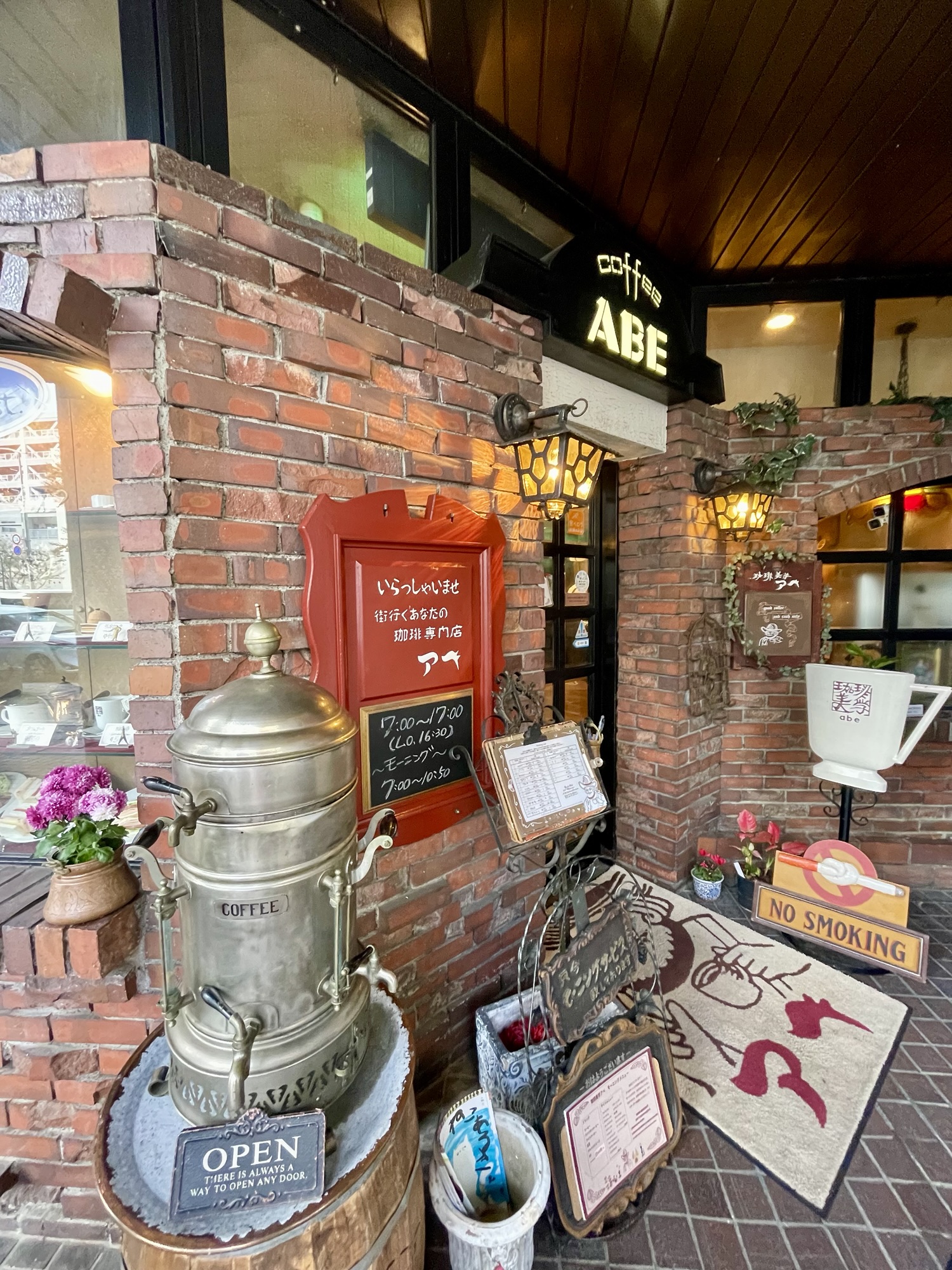
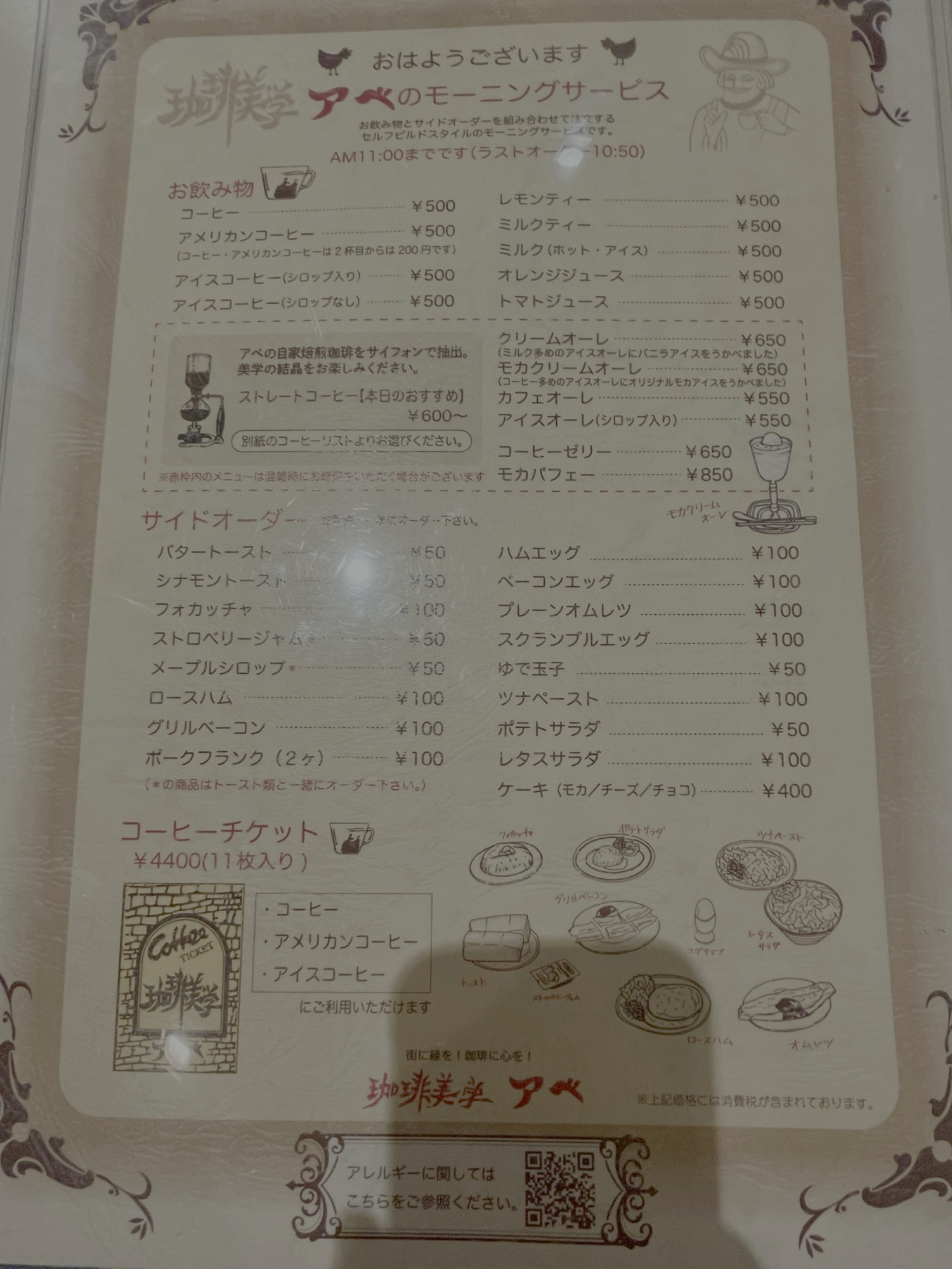
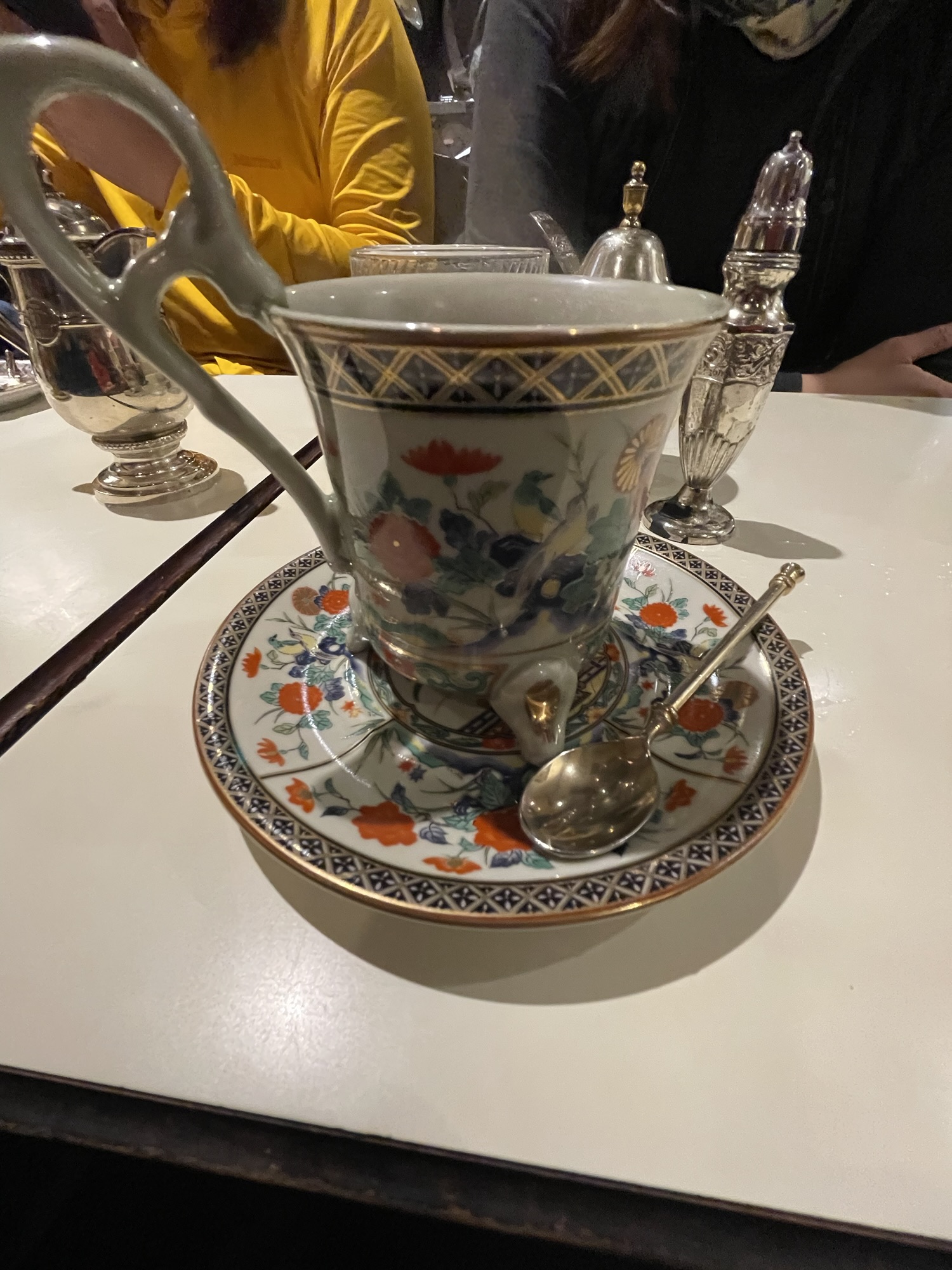
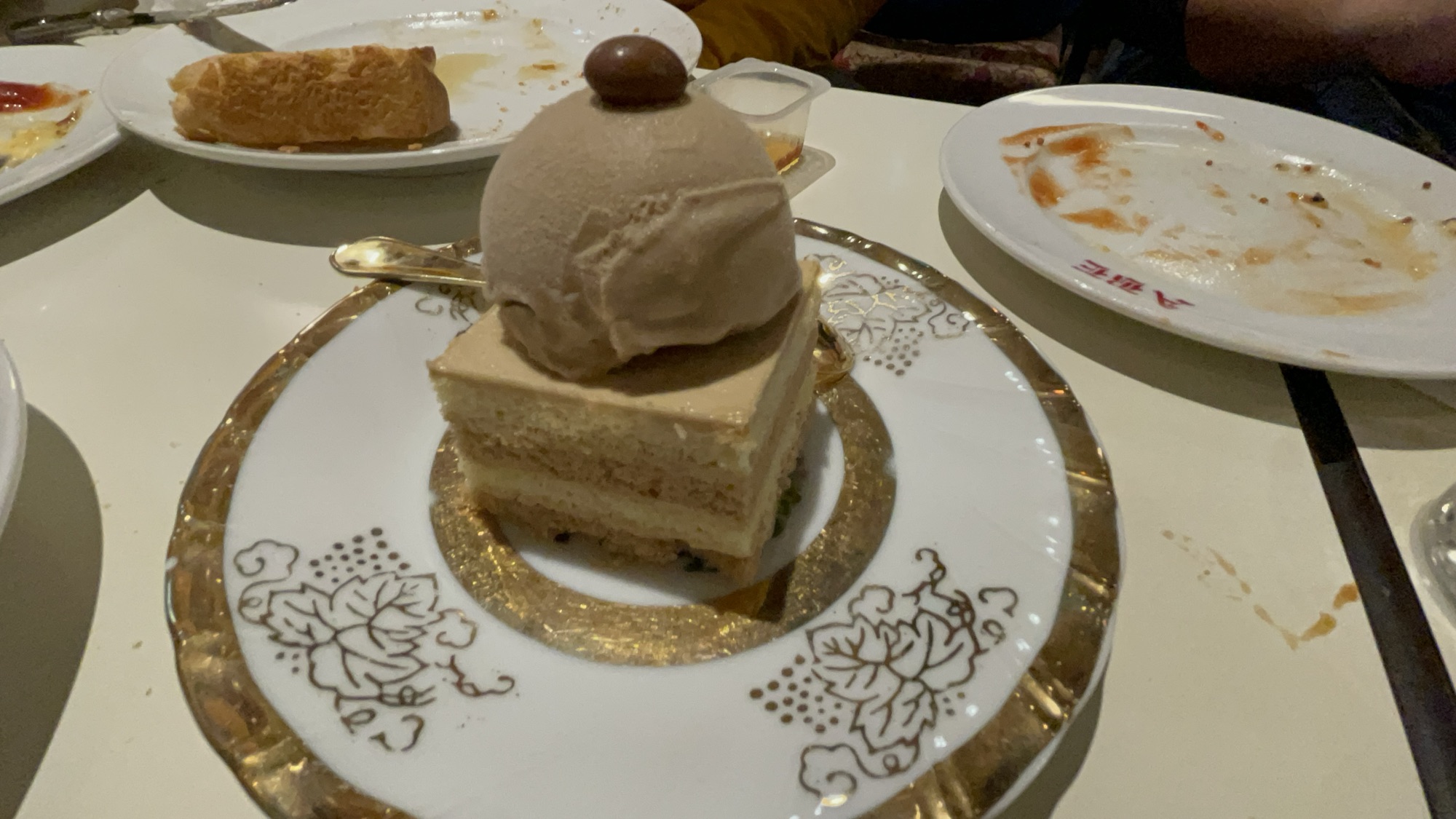
珈琲美学 アベ Abe Bigaku Coffee
Japan, 〒390-0815 Nagano, Matsumoto, Fukashi, 1 Chome−2−8 NOVAビル
Local coffee and breakfast
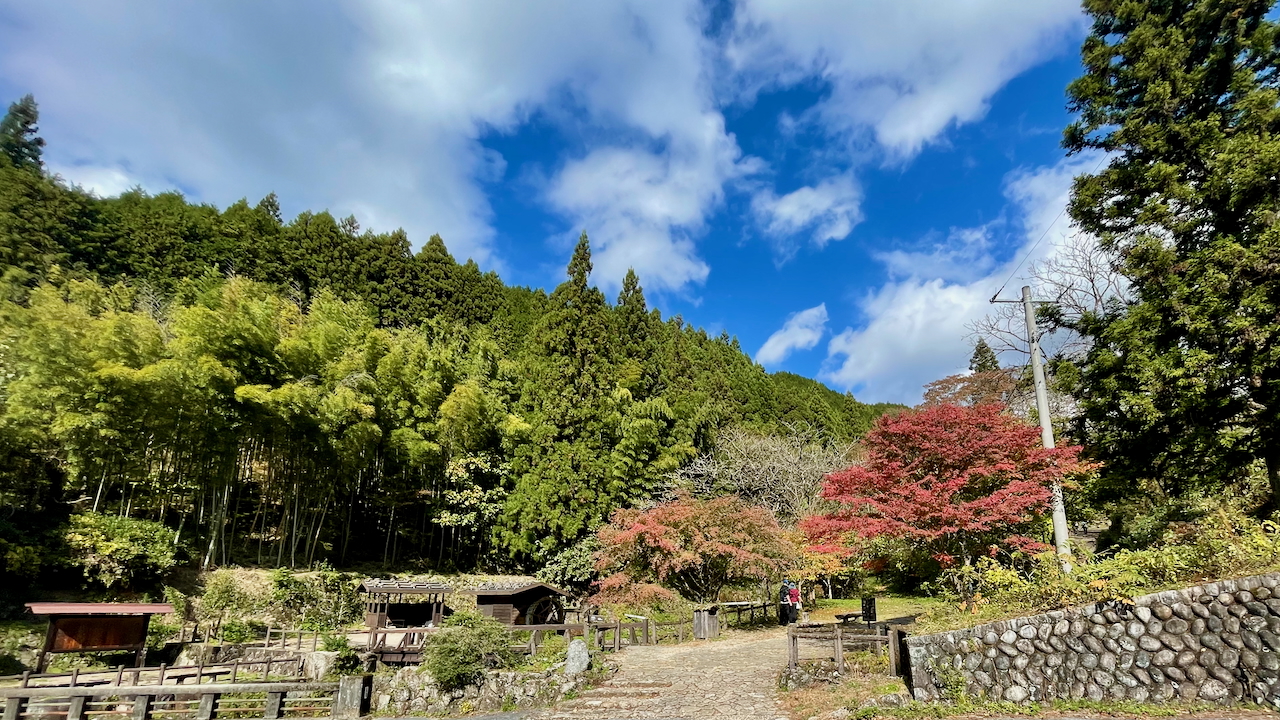
10:00 AM: Our first stop was Agatanomori Park あがたの森公園, a beautiful public park that showcases Matsumoto’s autumn colours. The park’s expansive grounds featured stunning fall foliage—brilliant reds, oranges, and golds. The historic Western-style school buildings on the park grounds added architectural interest, creating a peaceful blend of nature and history. It was the perfect gentle start to our sightseeing day.

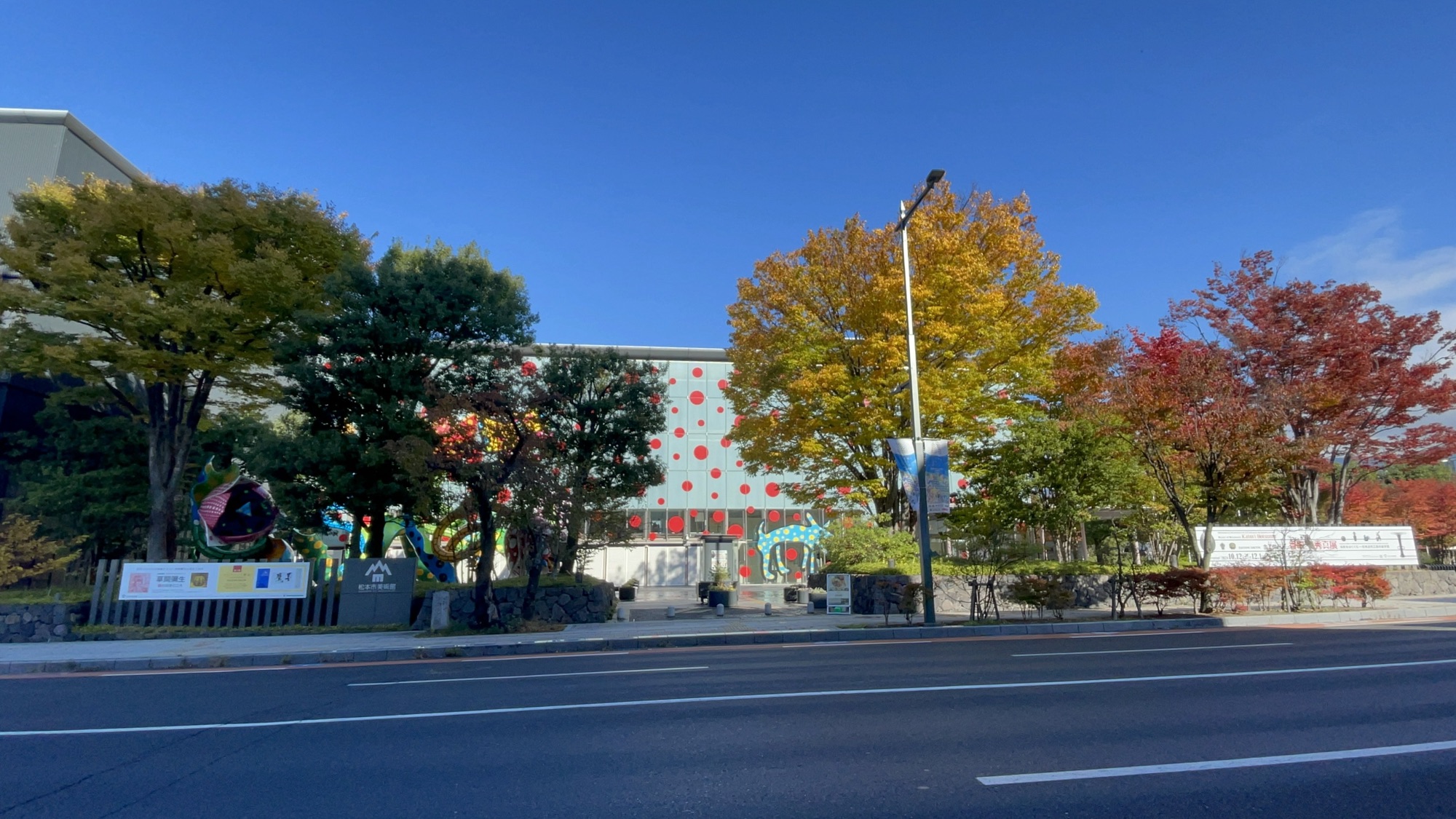


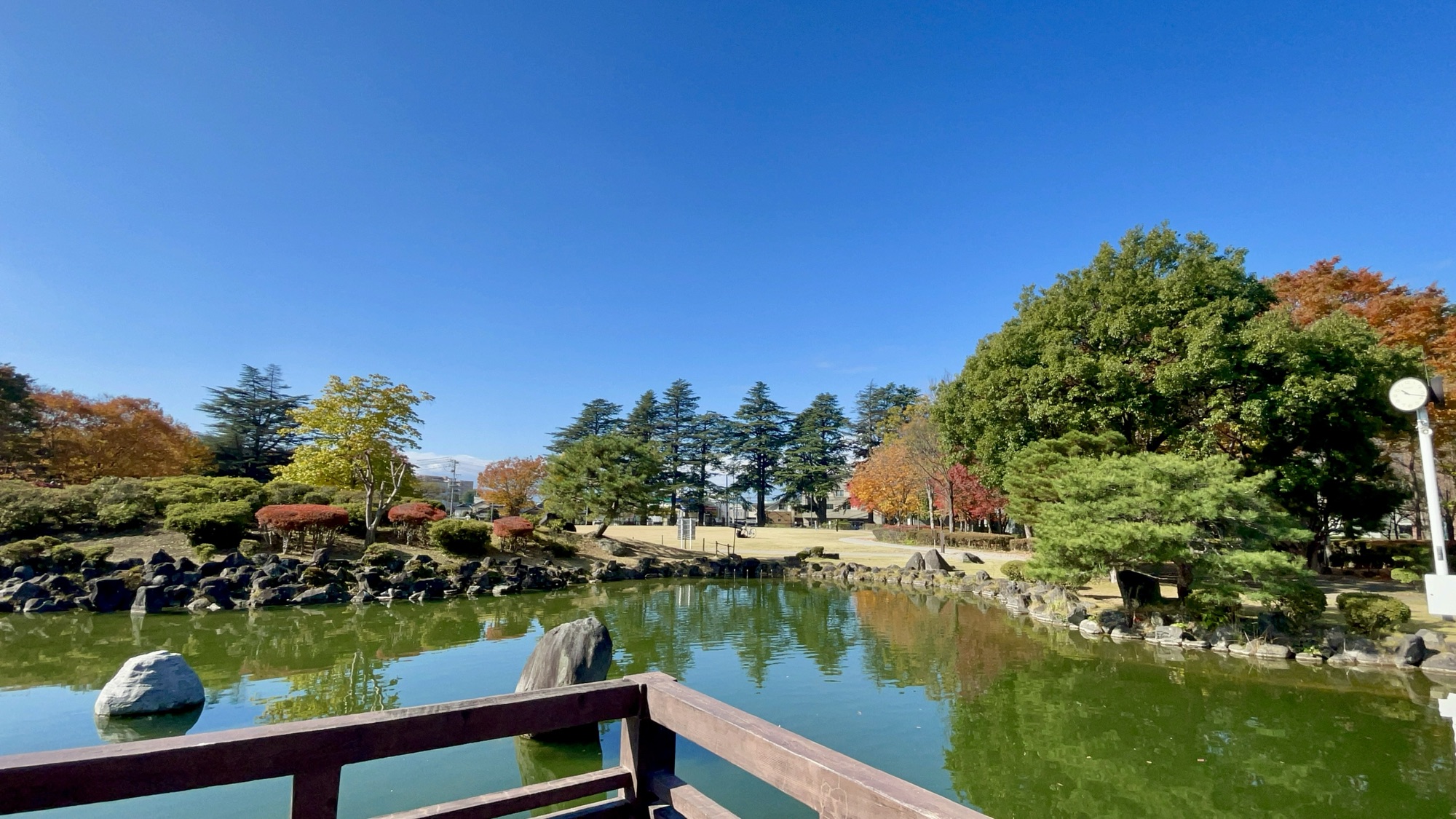
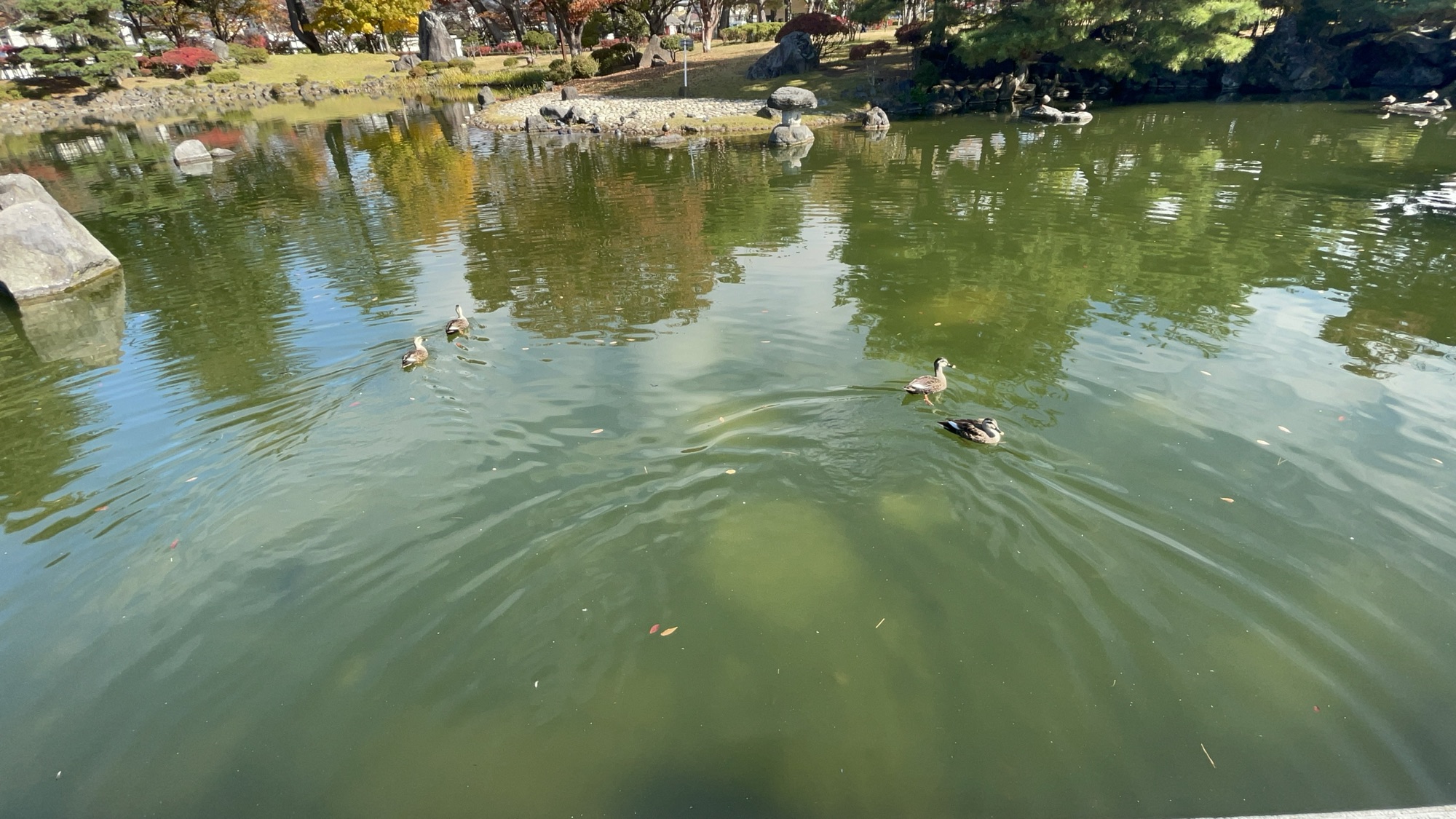
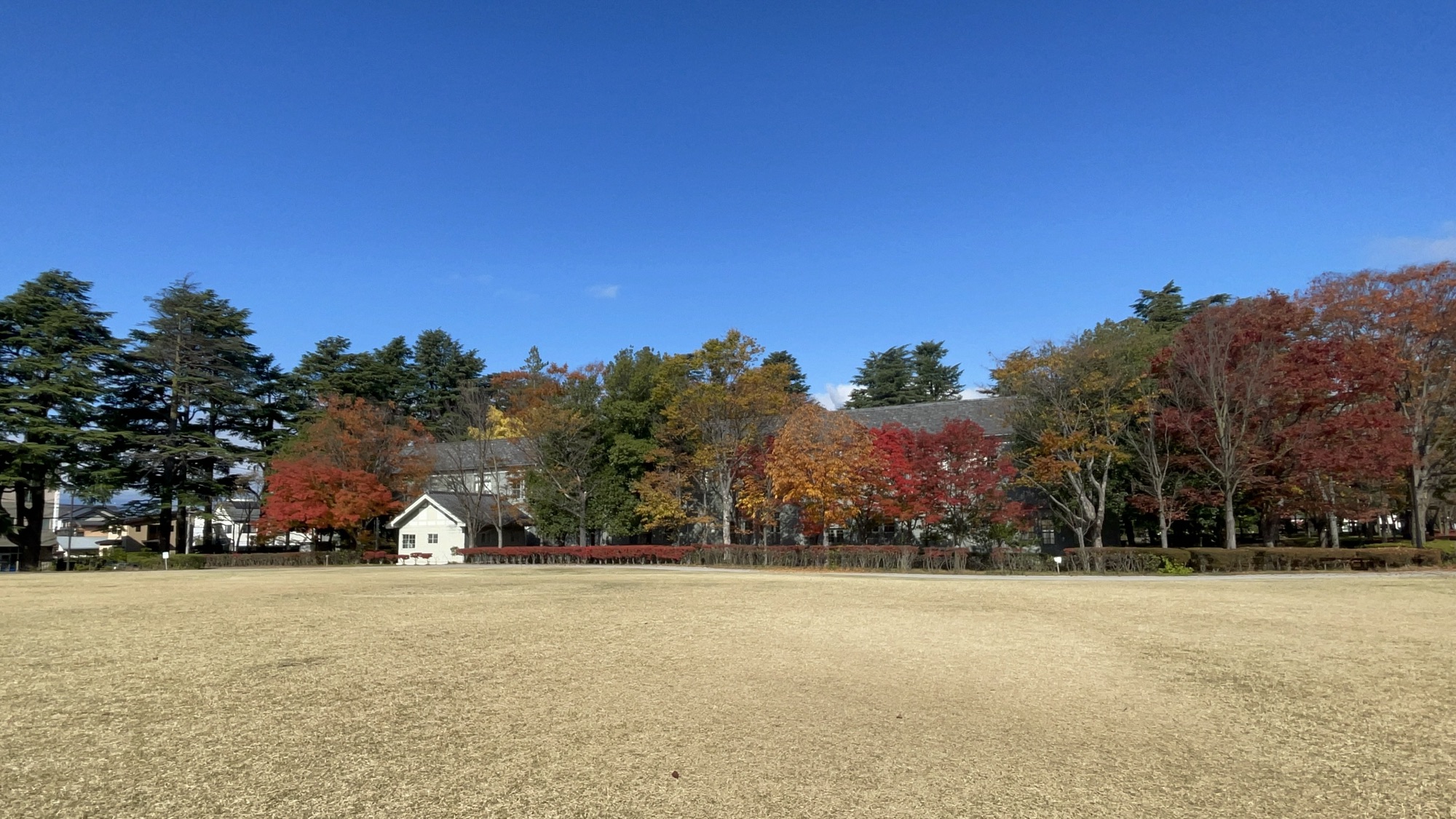
あがたの森公園 (Agatanomori Park)
〒390-0812 長野県松本市県3丁目1-1
3 Chome-1-1 Agata, Matsumoto, Nagano 390-0812, Japan
Beautiful autumn colours and historic school buildings
As we walked from the park toward Matsumoto Castle, we discovered one of the city’s unique treasures—its natural spring water wells. Matsumoto sits atop a subterranean aquifer that has provided fresh mountain water to the city since the Edo period. Throughout the town, there are around 20 public wells where locals and visitors alike can freely drink the crisp, cold spring water that bubbles up from deep underground.


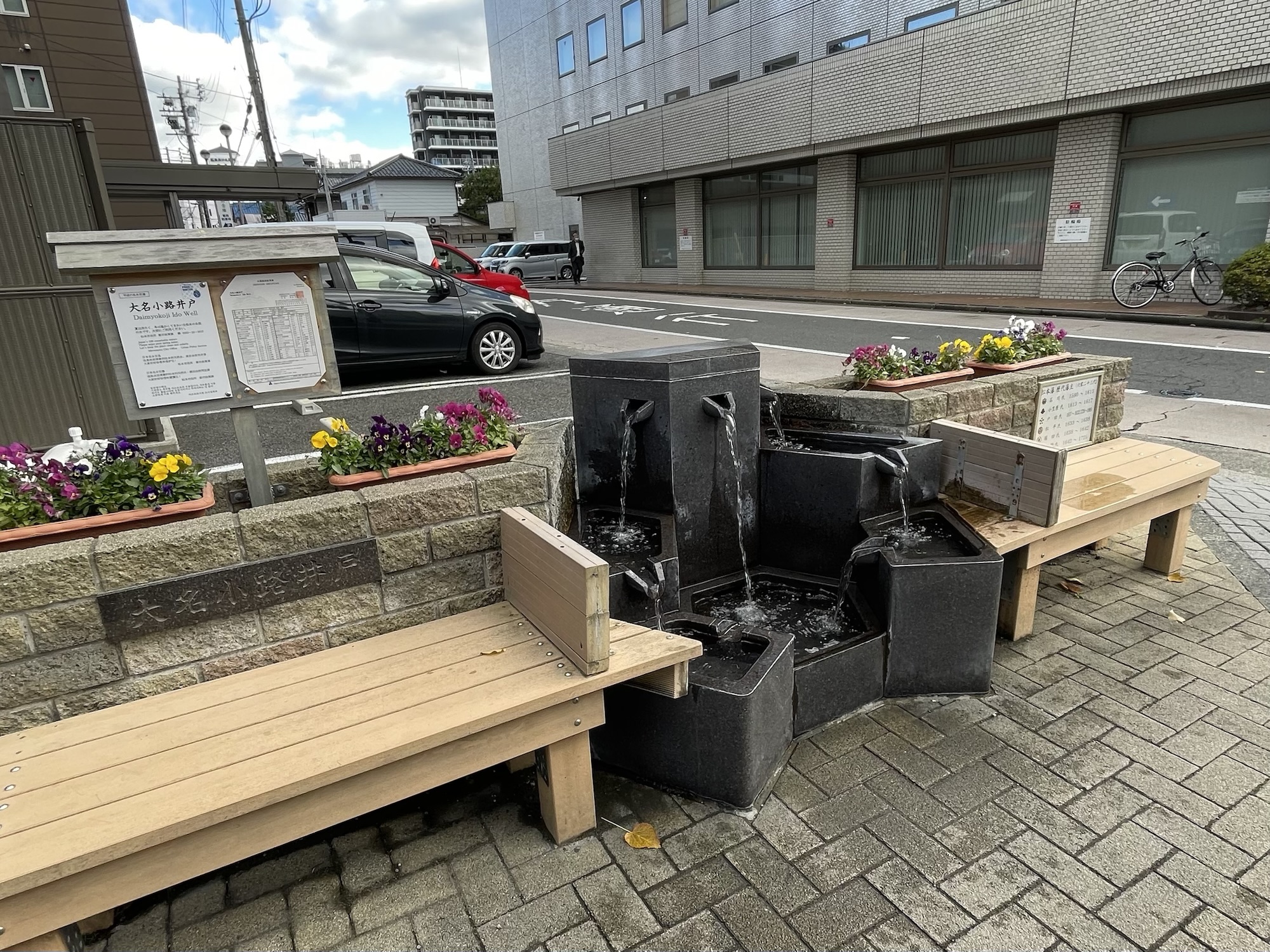
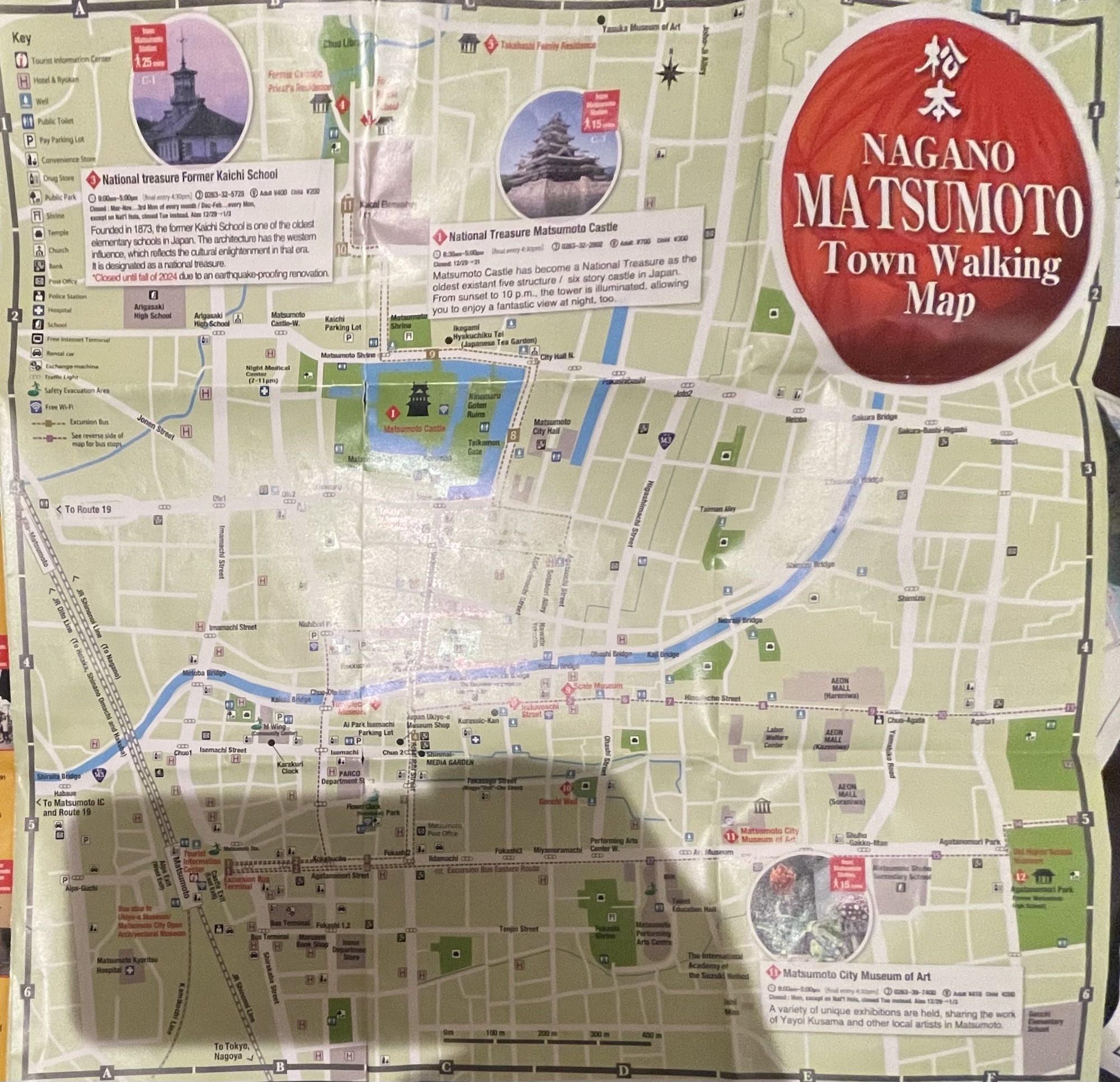
En route to the castle, we came across the Hinode no Ido Well 日の出の井戸, one of many wells marked on the tourist maps distributed by the city. We stopped to try the water, using the communal ladle to scoop the crystal-clear spring water. It was refreshingly cold and delicious. These public wells are maintained by Matsumoto City and have been in continuous use for centuries. The spring water tradition is so integral to Matsumoto’s identity that the city is often called “the City of Spring Water.

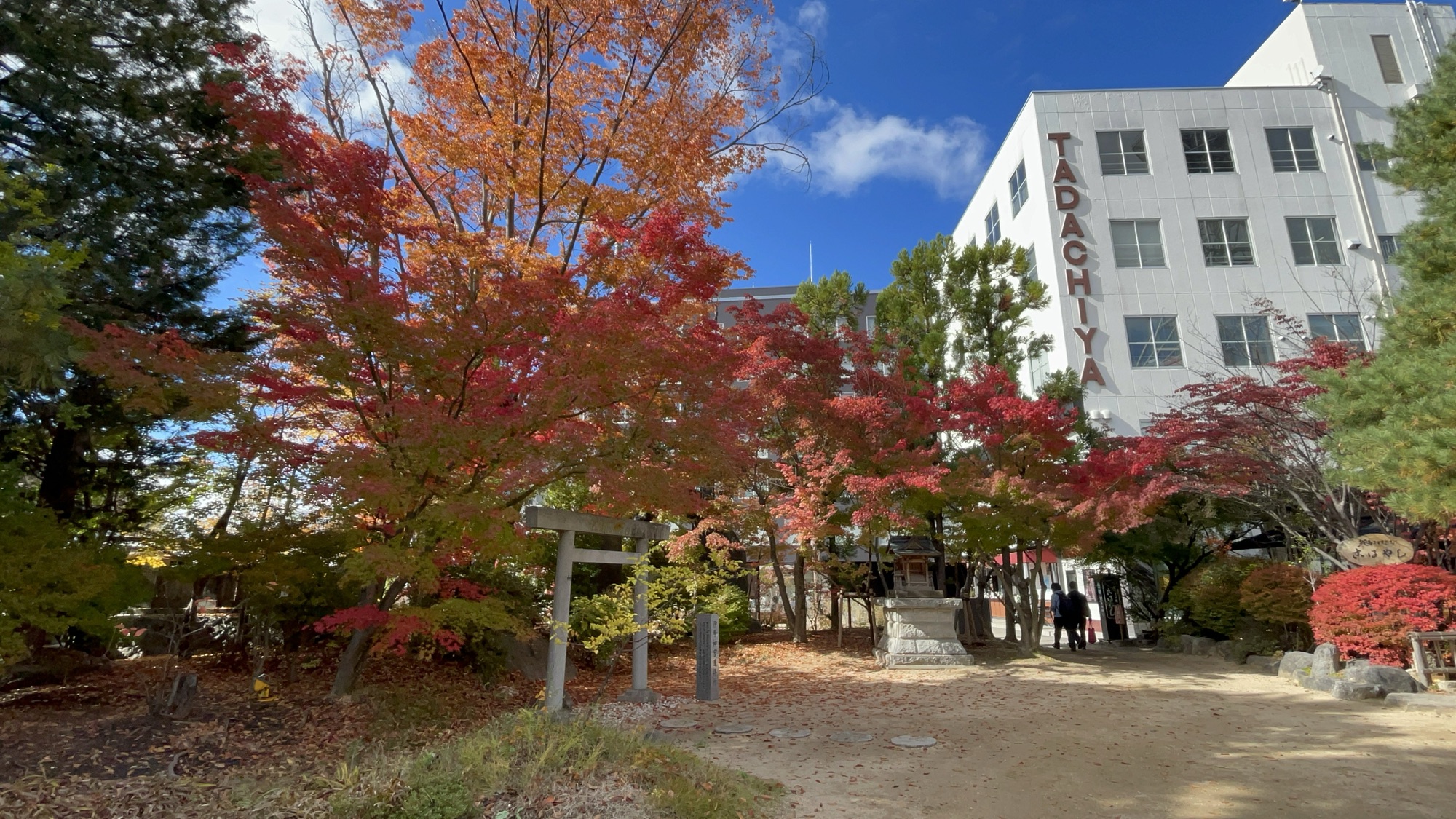

11:00 AM: As we walked toward Matsumoto Castle 松本城, we got delightfully distracted along the way! The charming shopping streets leading to the castle were filled with craft shops, cafes, and local boutiques that demanded exploration. We wandered through Nakamachi Shopping Street 中町通り, a beautifully preserved merchant district with traditional white-walled kura storehouses converted into shops and galleries.
It was here, completely spontaneously, that I found a small ceramics shop run by a local craftsman. As someone who collects cups from my travels, I could not resist browsing his work. I purchased a beautiful handmade ceramic cup—a perfect memento of Matsumoto.


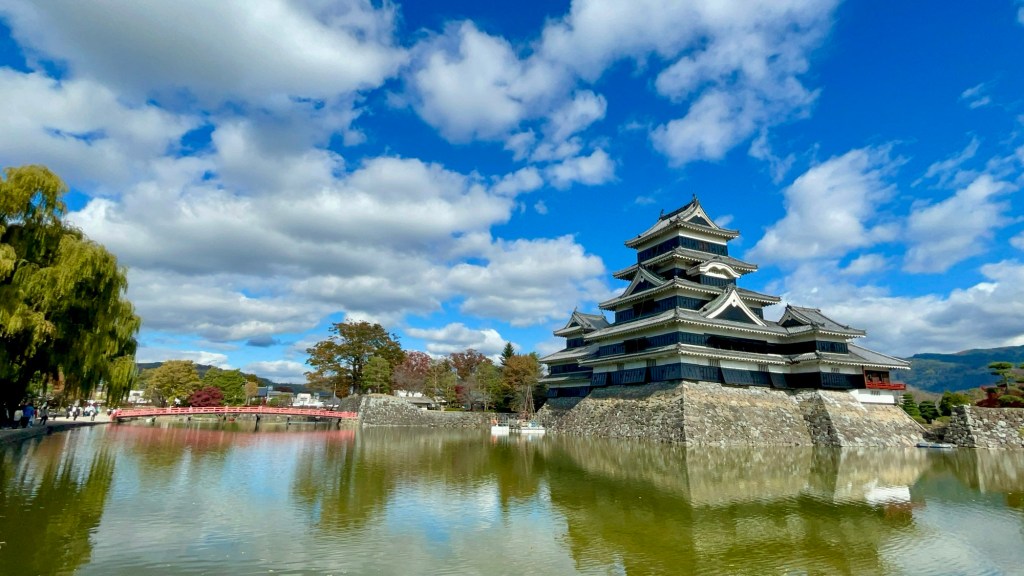


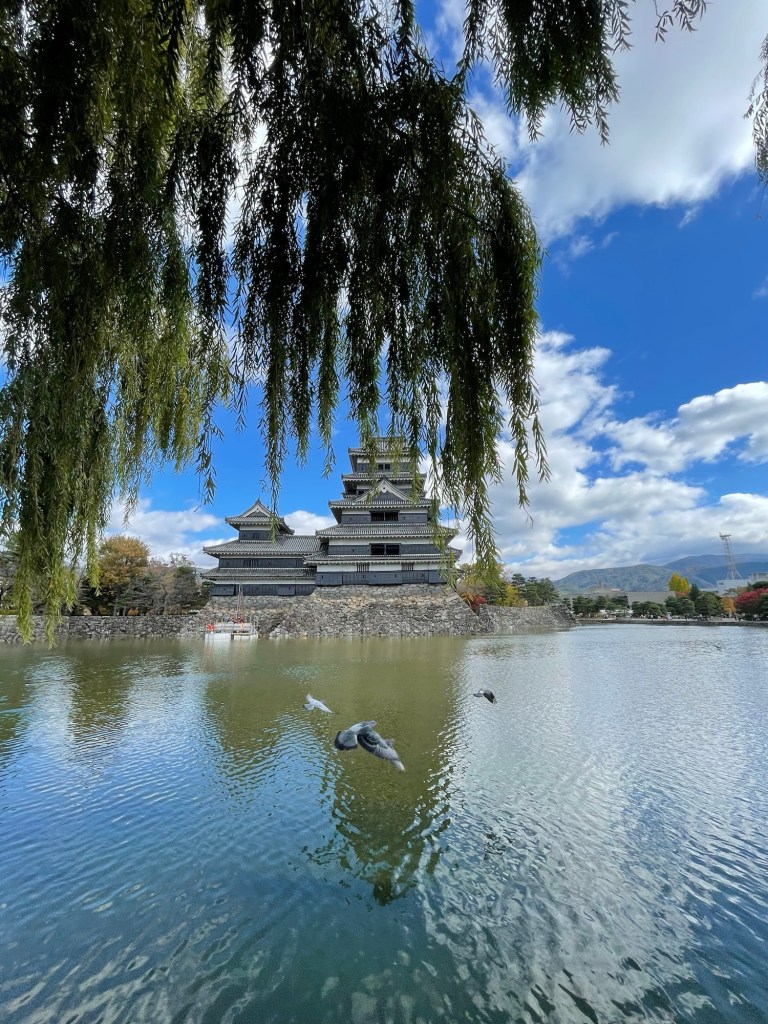
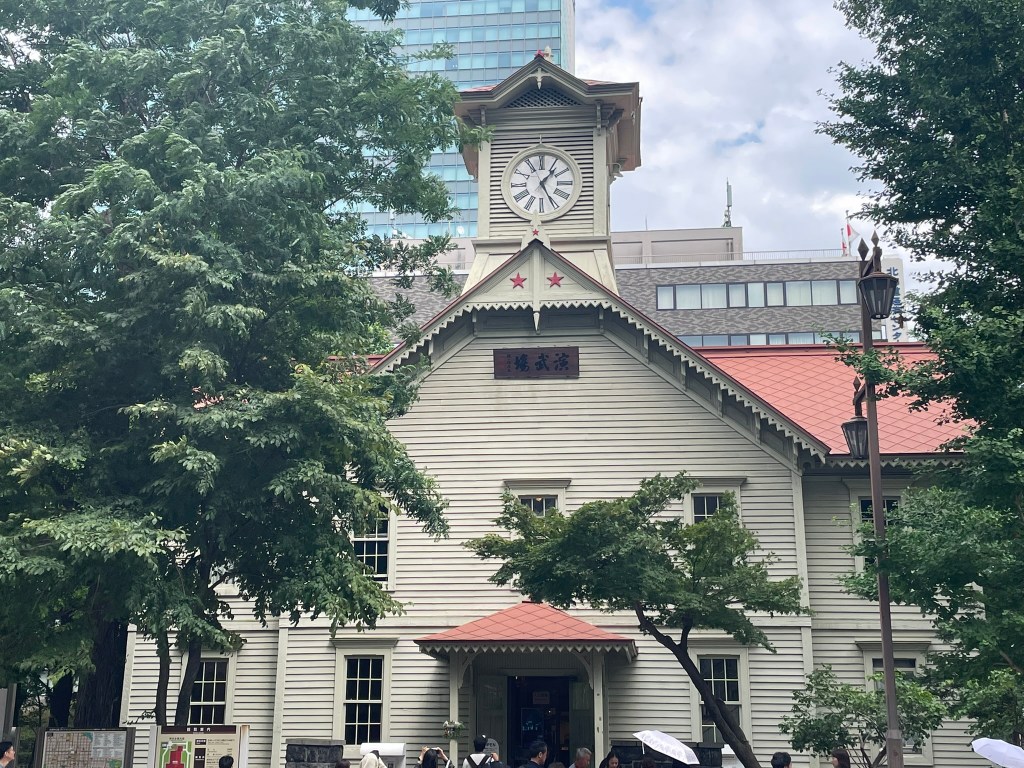
11:30 AM: We finally reached Matsumoto Castle. It has a striking black exterior, earning it the nickname “Crow Castle.” The castle’s elegant five-tiered keep is one of Japan’s twelve original surviving castles, dating back to the late 16th century.
松本城 (Matsumoto Castle)
〒390-0873 長野県松本市丸の内4-1
4-1 Marunouchi, Matsumoto, Nagano 390-0873, Japan
営業時間: 要確認 Operating Hours: Please check
One of Japan’s twelve original castles

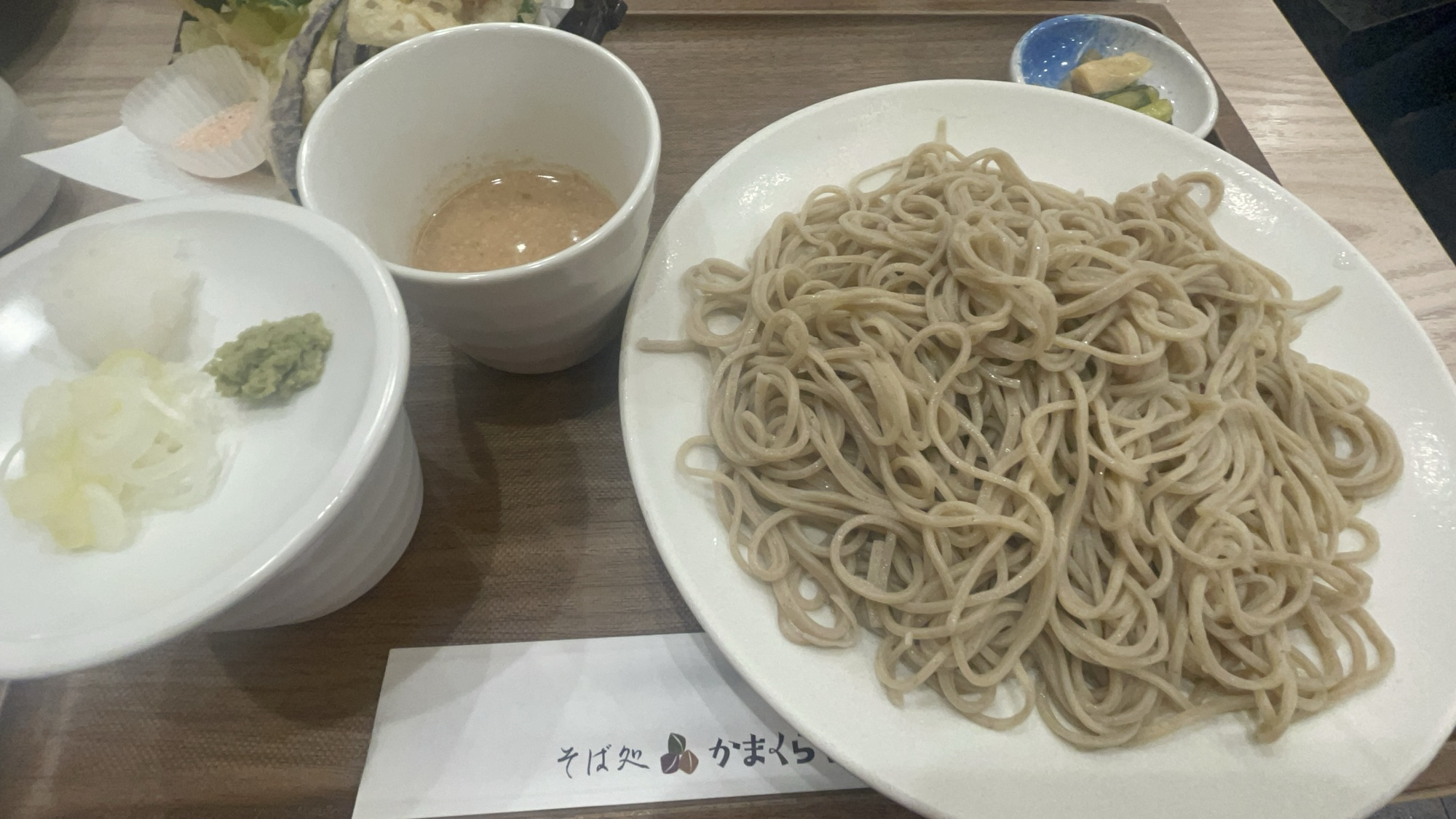
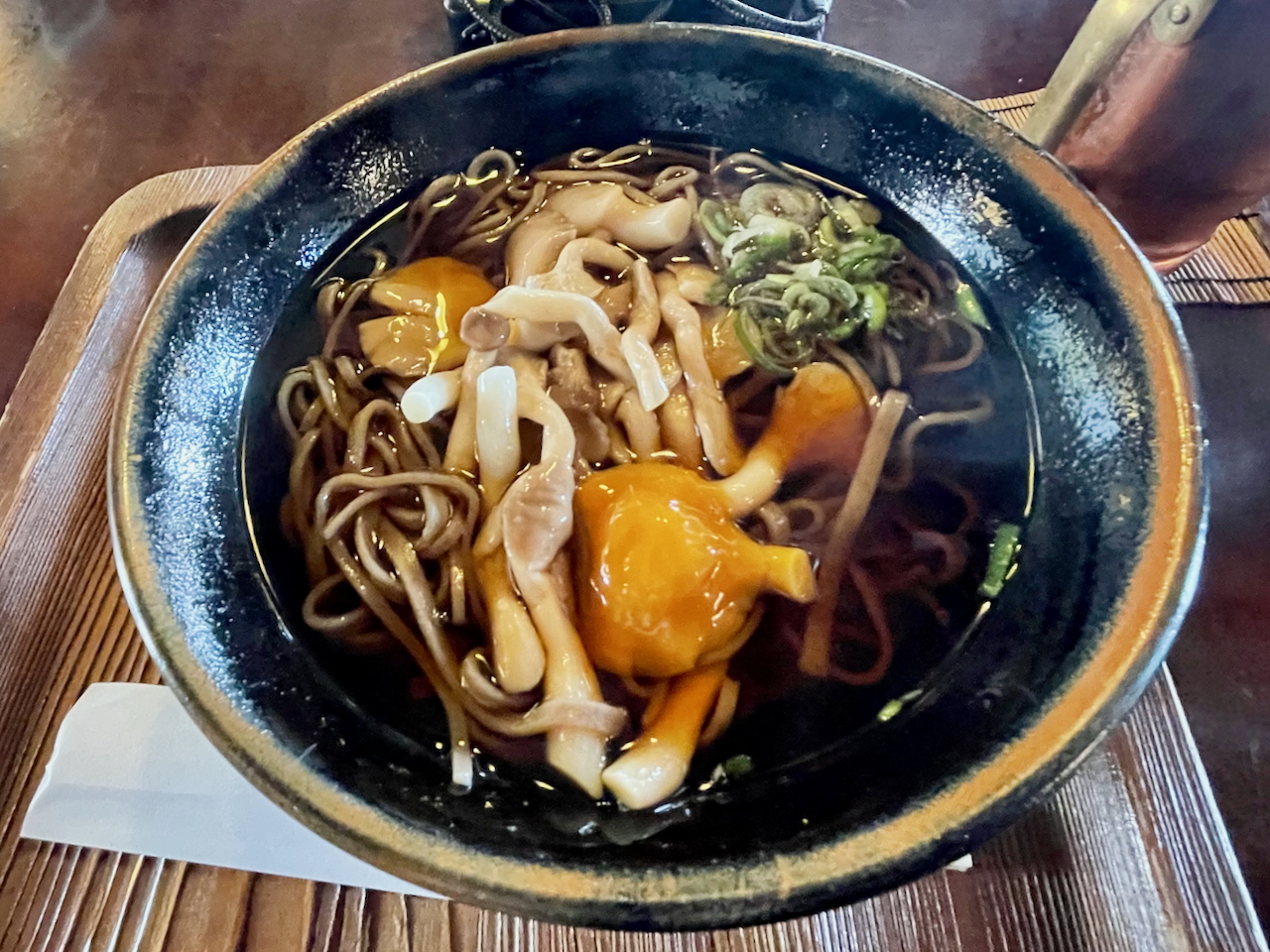
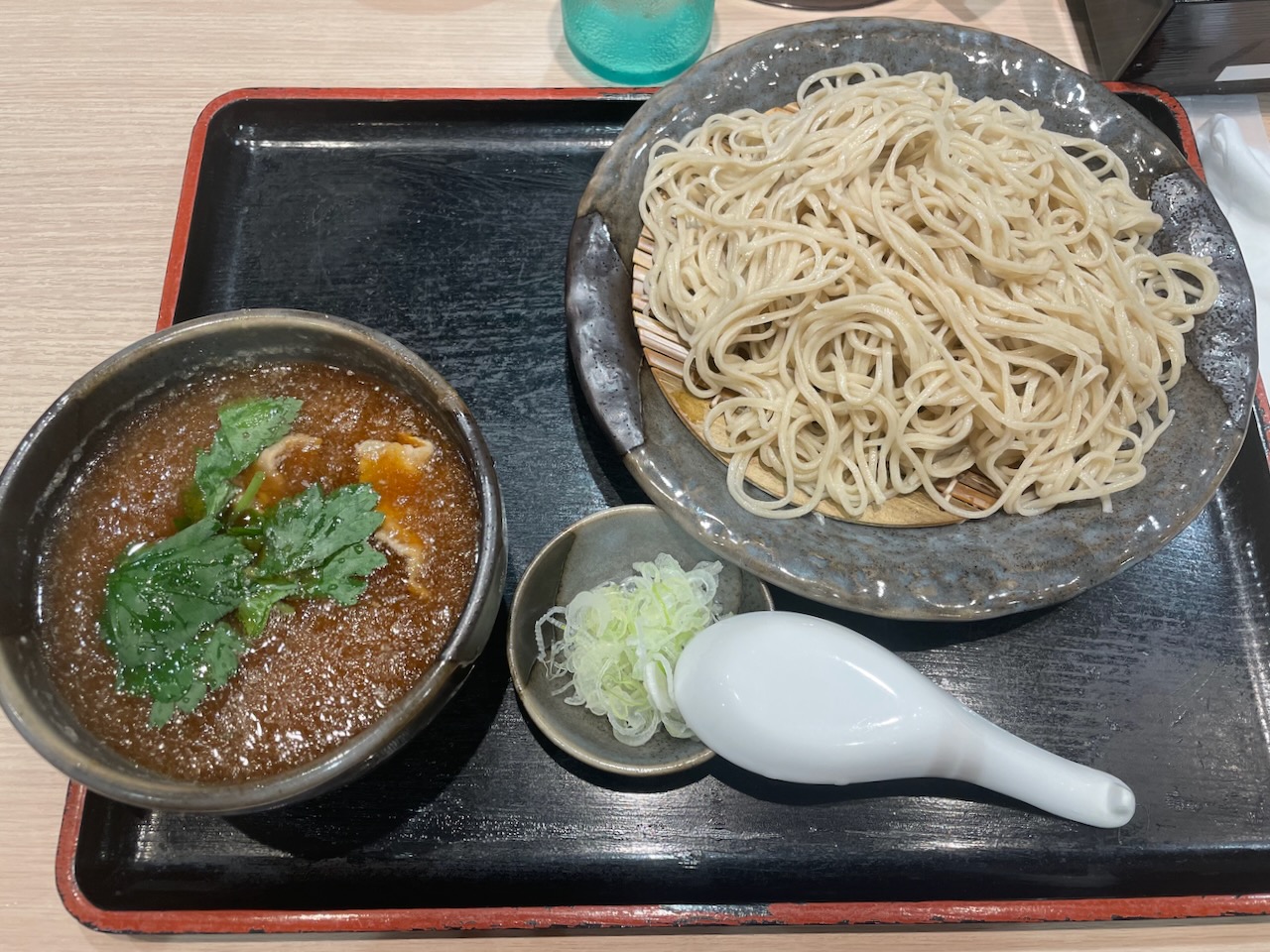
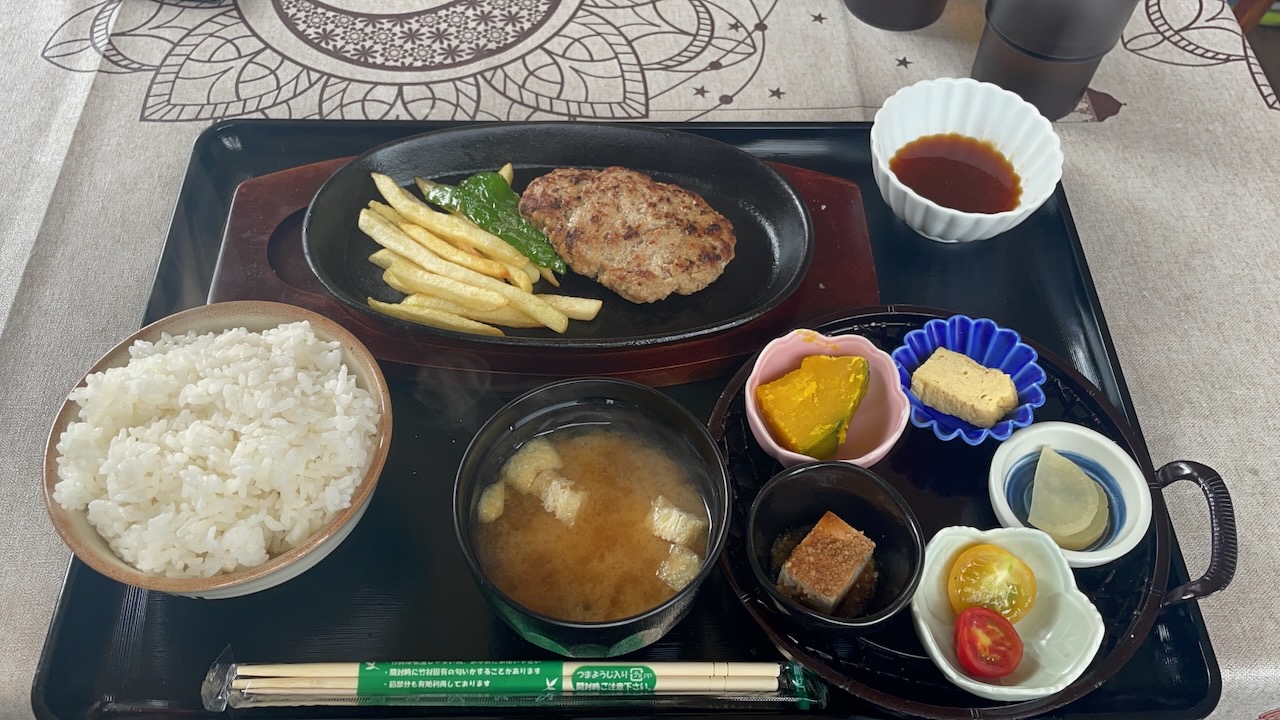
12:15 PM: With train schedules to keep, we needed to squeeze in lunch before our departure. We chose Soba ya Kamakuraya 蕎麦屋 鎌倉屋, a well-regarded soba restaurant in Matsumoto. Their specialty was soba paired with tempura, and the combination was excellent—the buckwheat noodles had that perfect texture, and the tempura was light and crispy. It was a satisfying meal that reminded us once again how consistently good the soba had been throughout our journey along the Nakasendo.
蕎麦屋 鎌倉屋 (Soba ya Kamakuraya)
Matsumoto, Nagano
営業時間: 要確認 Operating Hours: Please check
Specialty soba and tempura
2:06 PM: From Matsumoto Station 松本, we boarded the Shinano limited express bound for Nagano 長野. At Nagano Station 長野, we transferred to the Asama 622 Shinkansen—a quick, efficient ride that would take us to Karuizawa 軽井沢 in under an hour. We were now traveling to Karuizawa, which marked the eastern end of the Nakasendo trail and would be the starting point for our final hiking day.
4:30 PM: Karuizawa immediately felt different from anywhere else we had visited on this trip. This mountain resort town at 1,000 meters elevation has a distinctly Western atmosphere—a legacy of its history as a popular summer retreat for foreign missionaries and diplomats in the late 19th century.



Our first priority was food and provisions. Tomorrow would bring our final and most challenging Nakasendo hike—from Karuizawa to Usui Toge Pass 碓氷峠 and on to Yokokawa 横川. The Usui Toge Pass was one of the three most difficult passes on the historic Nakasendo, notorious during the Edo period for its steepness and remoteness. We needed to stock up on food for both tonight’s dinner prep and tomorrow’s long hike.
We made our way to Old Karuizawa 旧軽井沢, the historic shopping street that forms the heart of the town’s original resort area. The street was lined with bakeries, grocery stores, and specialty food shops. We gathered bread, snacks, and fresh fruit—essential fuel for what we anticipated would be a demanding day. Note that the shops close at sundown, so it is important to quickly grab what you need!
Evening: We checked into Hotel Tsuruya 旧軽井沢ホテル, a wonderful traditional ryokan that perfectly captured Karuizawa’s unique character—Japanese hospitality with that subtle Western influence that defines this resort town. Our room featured both Western beds and traditional futon options.
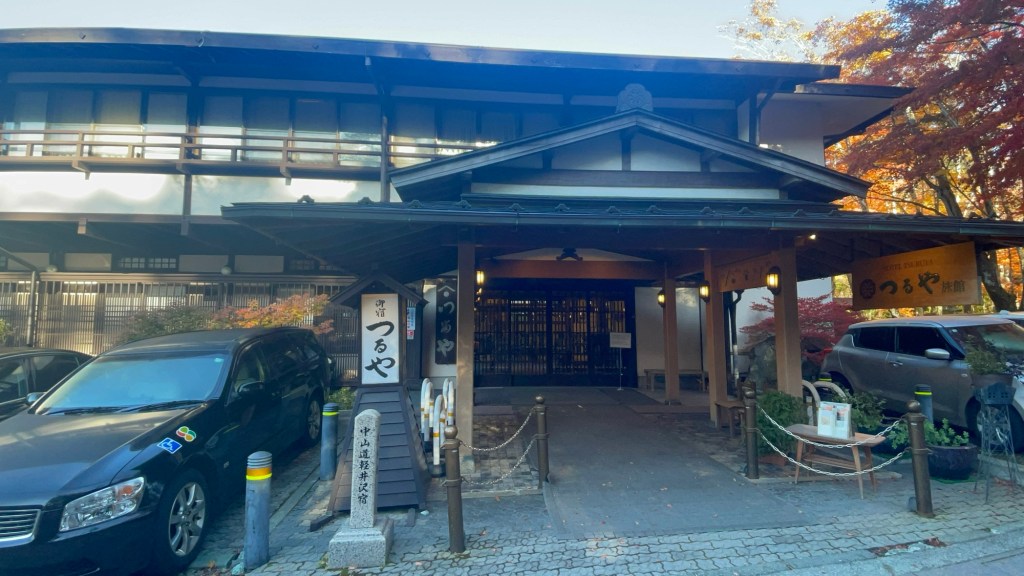


What made our stay at Tsuruya truly invaluable was meeting the ryokan owner. When we mentioned our planned hike to Usui Toge the next day, he showed us a YouTube video he had personally filmed of the exact trail we would be taking! This was incredibly fortunate—the route from Karuizawa to Usui Toge Pass and down to Yokokawa is one of the most remote sections of the Nakasendo. Unlike our previous trail days, this route had no maps available! His video would become our primary navigation tool for the following day’s adventure.
旧軽井沢ホテル (Hotel Tsuruya)
〒389-0102 長野県北佐久郡軽井沢町旧軽井沢678
678 Kyu-Karuizawa, Karuizawa, Kitasaku District, Nagano 389-0102, Japan
http://www.tsuruyaryokan.jp/
Traditional ryokan with Western influences

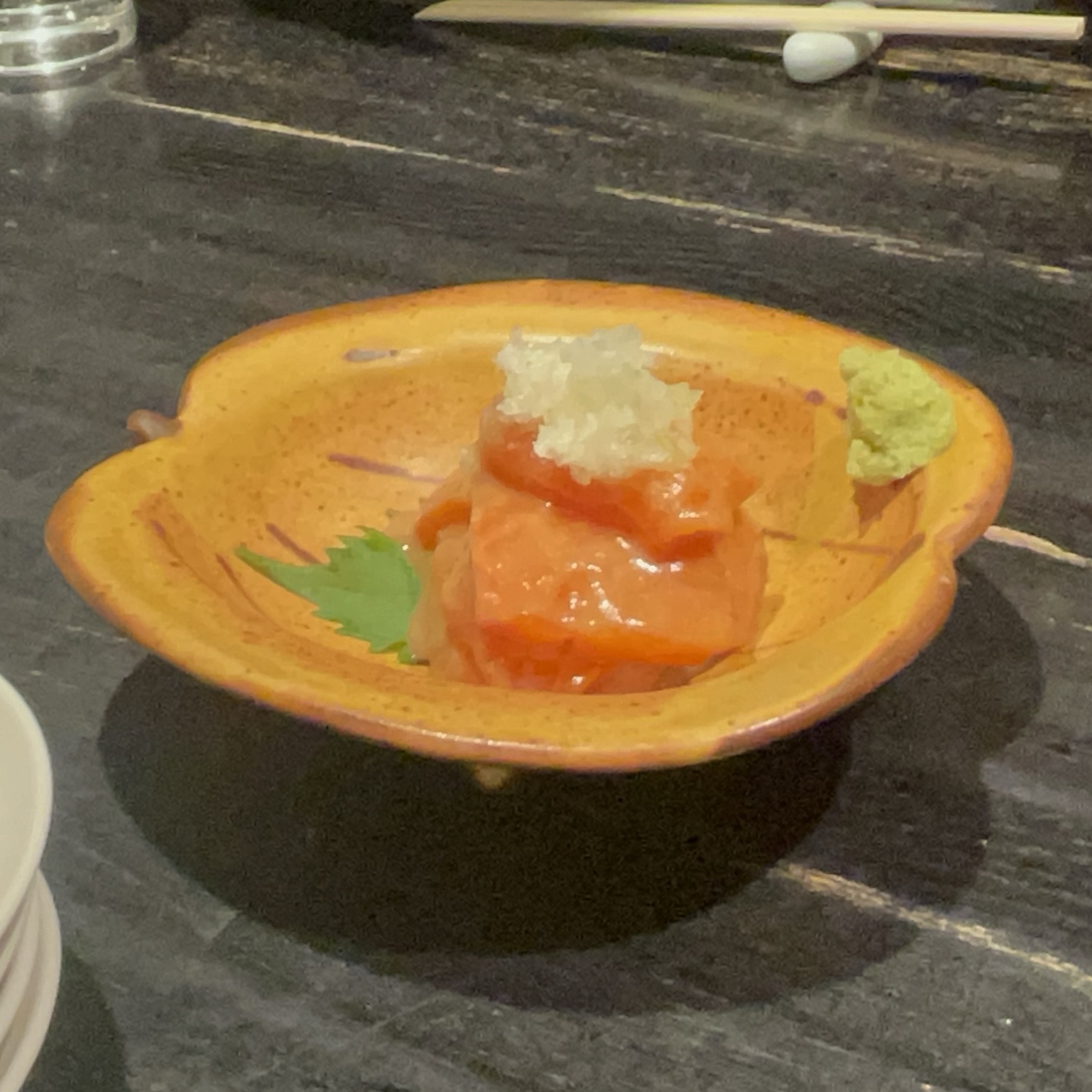
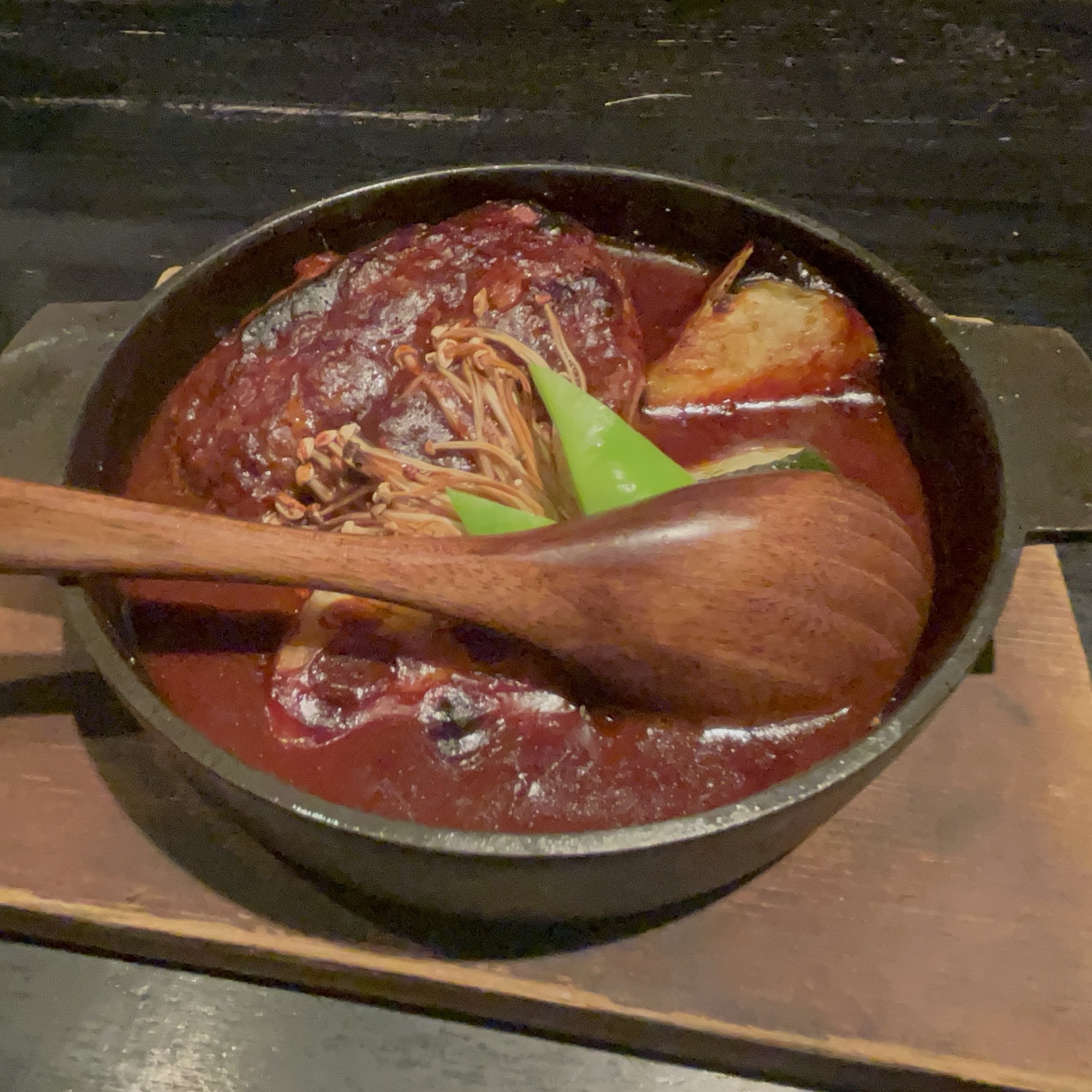


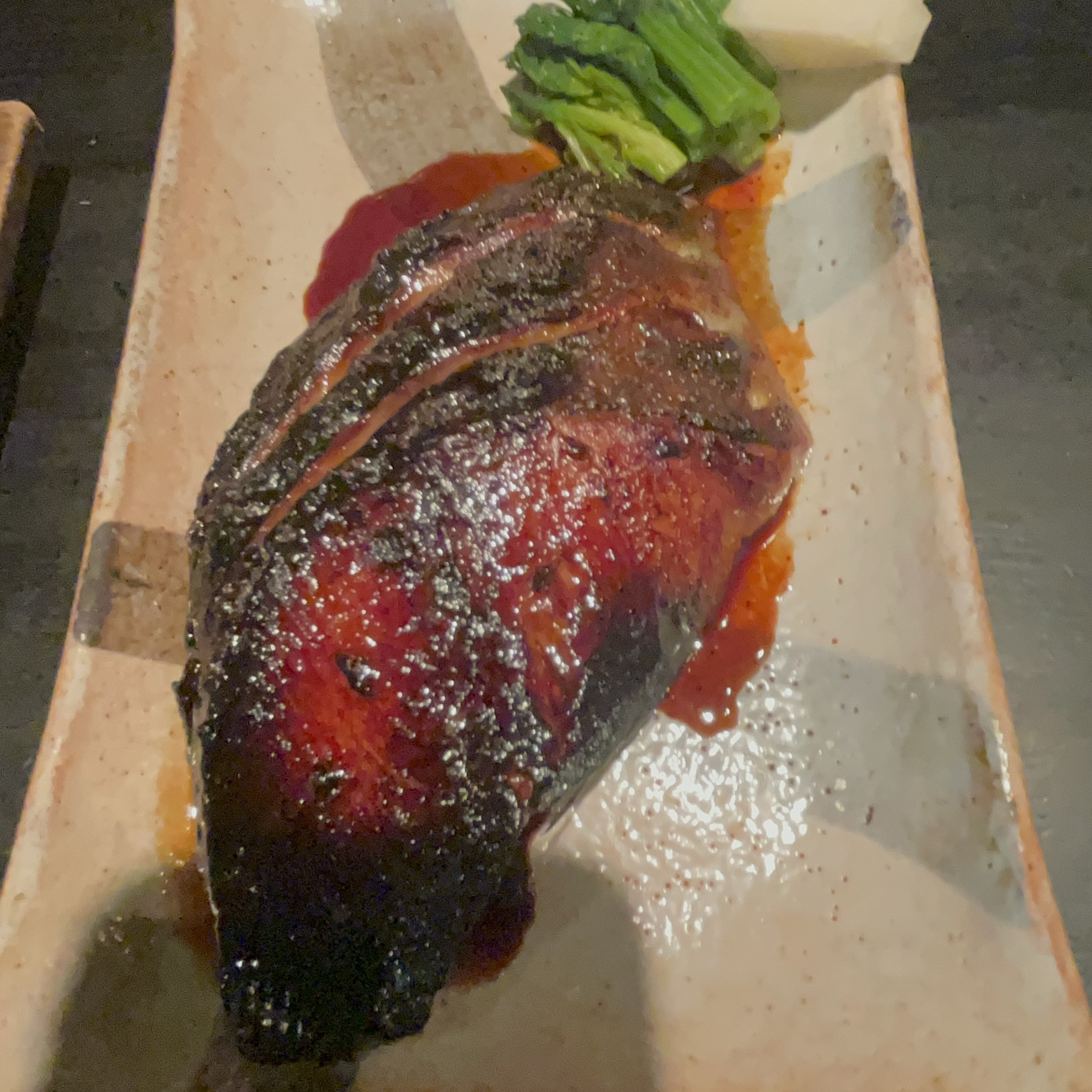
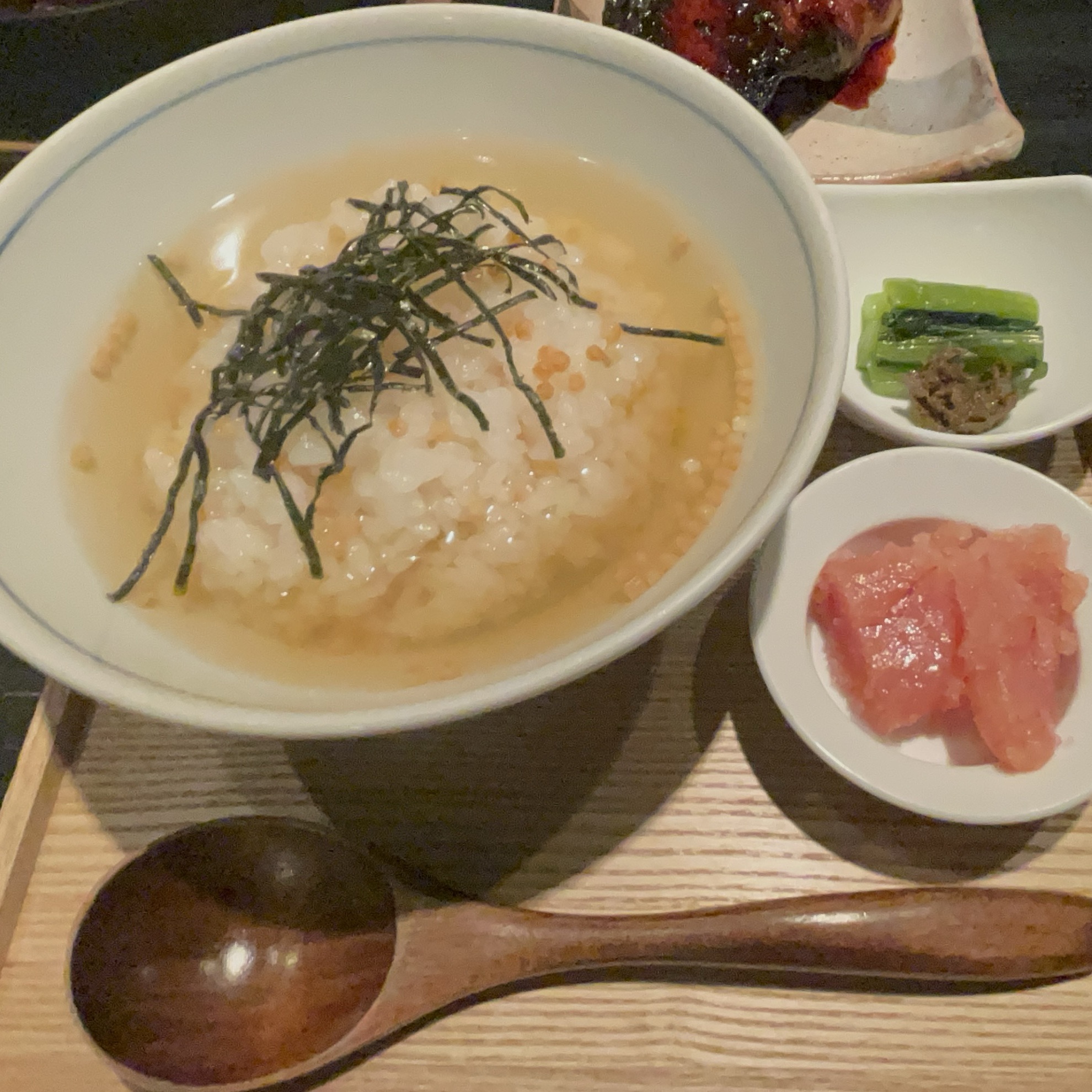
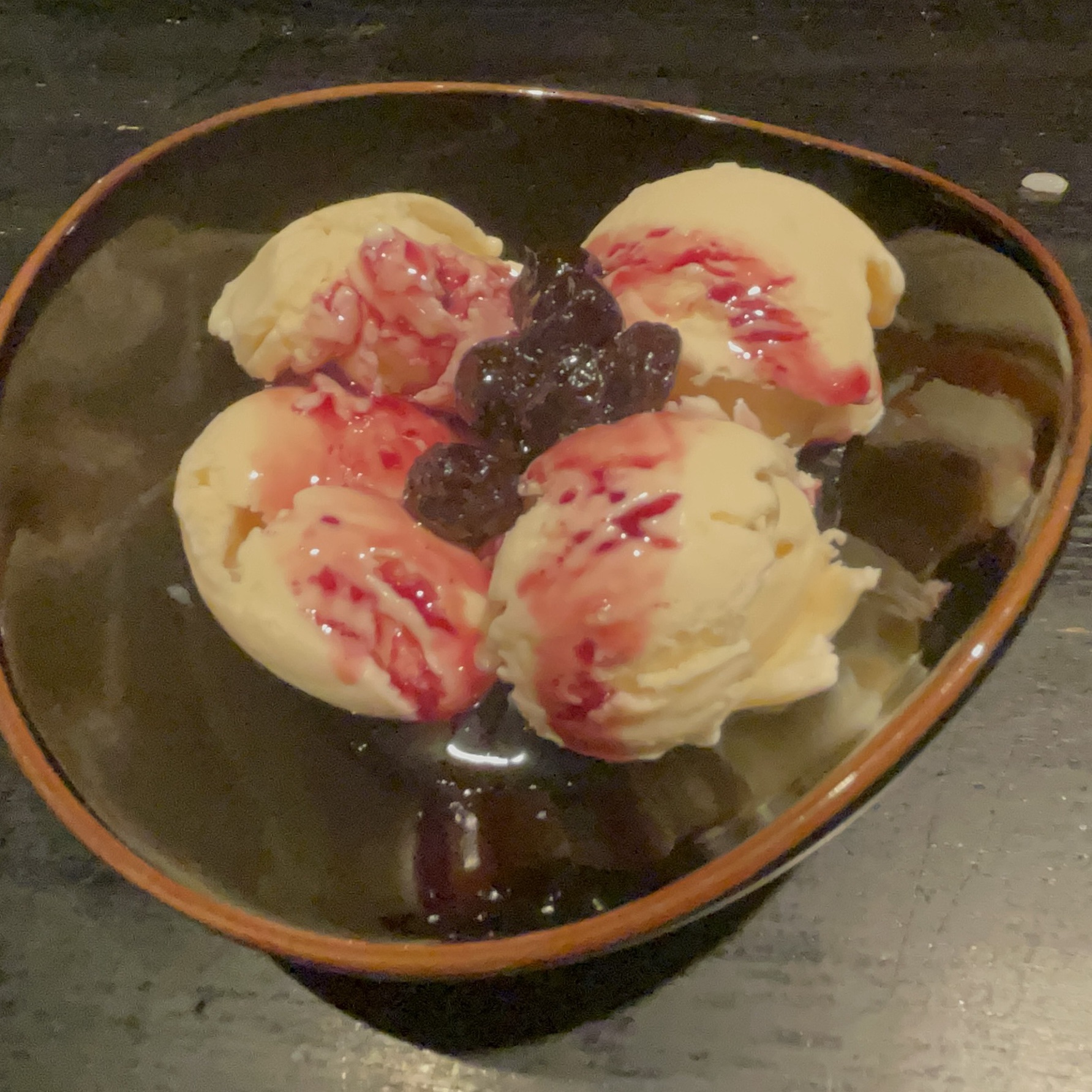

For dinner, we walked to Sujyu Masayuki, a fusion restaurant that blended Japanese and Western culinary influences—perfectly fitting for Karuizawa’s hybrid cultural identity. The meal was creative and delicious, providing comfort food we craved after days of hiking.
Sujyu Masayuki
Karuizawa, Nagano
営業時間: 要確認 Operating Hours: Please check
Fusion cuisine
Day 4 covered approximately 17,085 steps of urban exploration rather than mountain trails—a welcome change of pace that allowed our hiking-weary bodies to recover while still experiencing the rich cultural heritage of Matsumoto and the unique atmosphere of Karuizawa. The spontaneous encounters (like the ceramic craftsman), the stunning Matsumoto Castle, the refreshing discovery of Matsumoto’s spring water wells, the successful shopping, and especially the fortuitous meeting with the Tsuruya owner all reinforced that some of travel’s best moments come from flexibility and openness to unexpected experiences.
Tomorrow would bring our most remote and challenging hike yet—the legendary Usui Toge Pass. During the Edo period, this pass was so notoriously difficult that it was said “Kiso no Kakehashi, Ota no Watashi, and Usui Pass are the only ones to be crossed.” The climb from Karuizawa would be relatively gentle (only 200 meters elevation gain), but the descent on the Yokokawa side would be a steep 800-meter drop. Armed with the ryokan owner’s homemade trail videos, packed provisions, and four days of accumulated hiking experience, we were as ready as we could be for this final mountain crossing. After completing this section, we planned to continue our journey to the famous hot spring town of Kusatsu Onsen for a well-deserved soak.
Note: This trip was made in November 2024.
































































 dreaming in ningzheaven