

Otaru’s history as a prosperous port city during the Meiji period is evident in its old warehouses and European-inspired architecture. Otaru was once a hub for the herring fishing industry. It also served as a gateway for trade with Russia. Now, Otaru has transformed into a nostalgic tourist destination. It offers good food and beautiful crafts. Let’s dive into where to eat and shop during our visit!
Day 4 Summary:
- 8:00 AM: Breakfast at Sankaku Shijo Otaru (三角市場 小樽)
- Checkout from hotel and drove to Sakaimachi
- 11:00 AM: Shopping in Otaru – Otaru Music Box Museum (小樽オルゴール堂 本館), Sakaimachi Street (小樽堺町通り商店街)
- 3:15 PM: Leave for Niseko
- 5:00 PM: Reach Hilton Niseko Village Resort
- Onsen and dinner
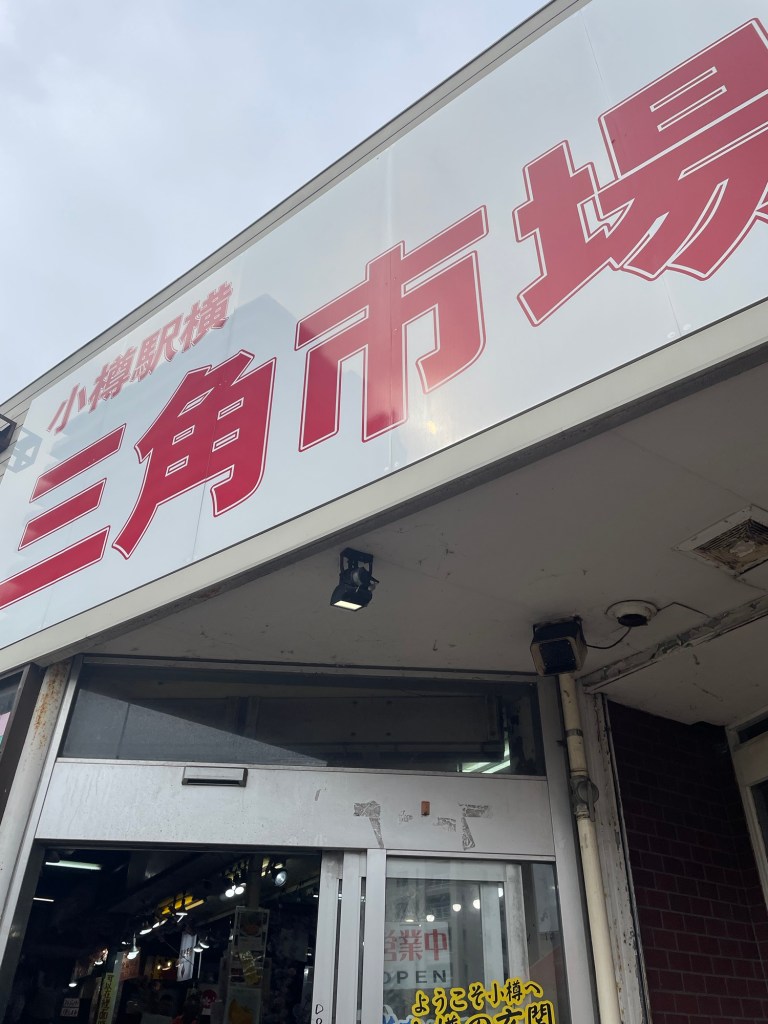
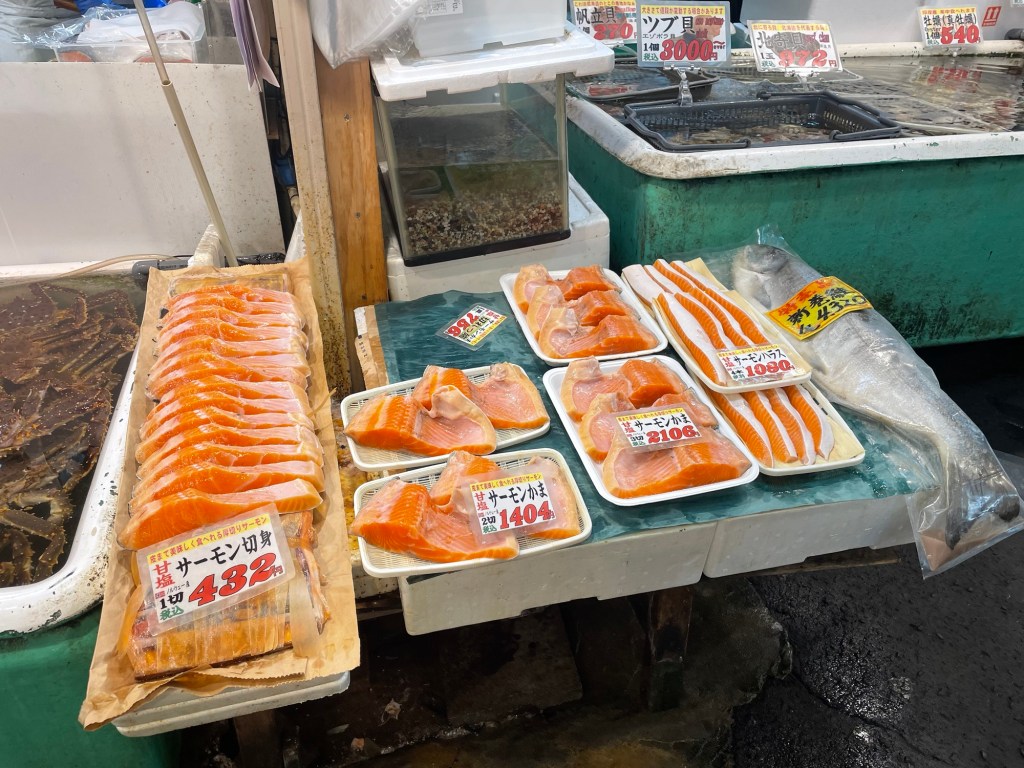
8:00 AM: We began our day with a delicious breakfast. It was at Sankaku Shijo Otaru (三角市場 小樽) a small but lively morning market near the train station. If you love seafood, this place is heaven. (Note! It opens only at 8am.) Compared to other fish markets I have been to in Japan, Sankaku Shijo is not large. That said, in this small market, there are several places offering delicious and reasonably priced kaisen dons (sashimi over rice bowls).
Yes, people eat raw fish for breakfast in Japan! We picked the largest restaurant there as we were really hungry and did not want to wait. The place is called Ajidokoro Takeda 味処たけだ. It’s right in the center of the market so you will not miss it.
Ajidokoro Takeda (味処たけだ)
〒047-0032 Hokkaido, Otaru, Inaho, 3 Chome−10−16 三角市場内
otaru-takeda.com
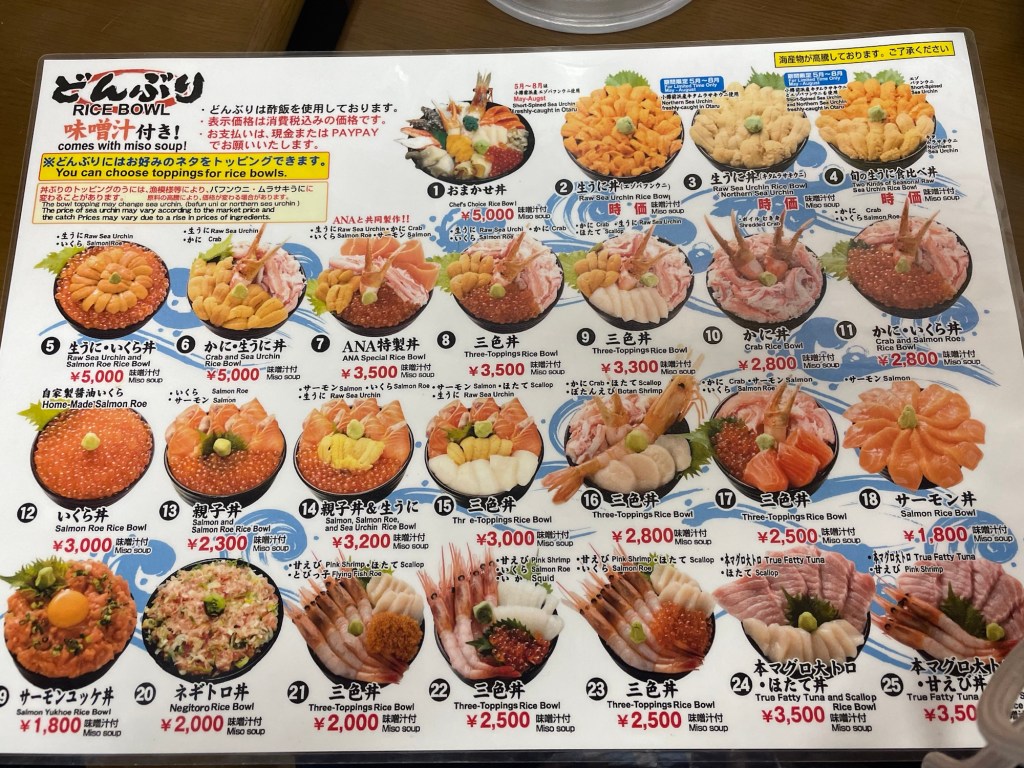

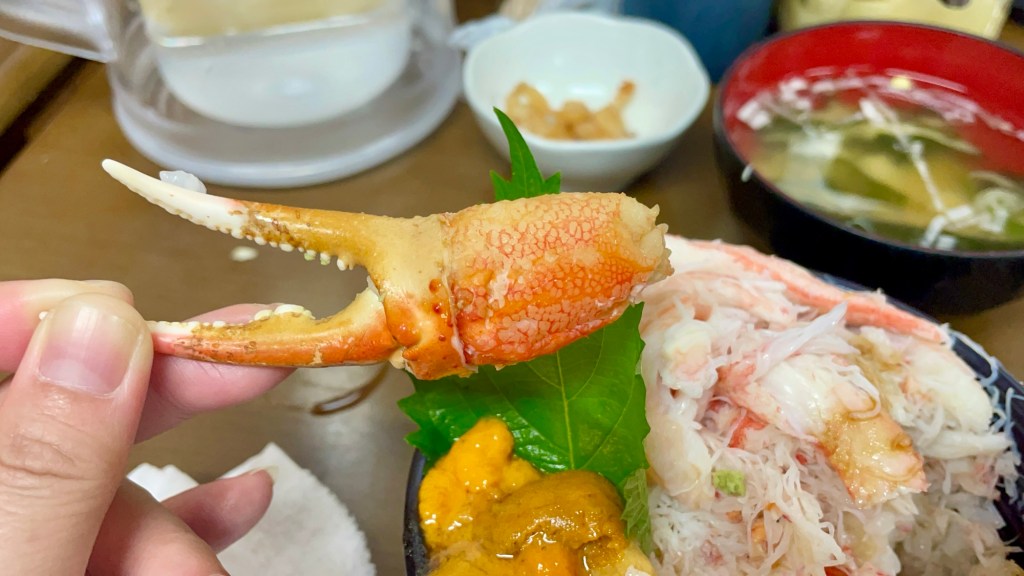

There were uni dons (bowls with only sea urchin), and what’s amazing is that there were two different types of uni. You can choose to have either one or both. Besides uni, crab is one of their popular dishes. As such, I indulged in a Three-toppings rice bowl or 三色丼, with crab, salmon roe and uni. Every bite was heavenly. For those who prefer something else, there are plenty of options including cooked items too!
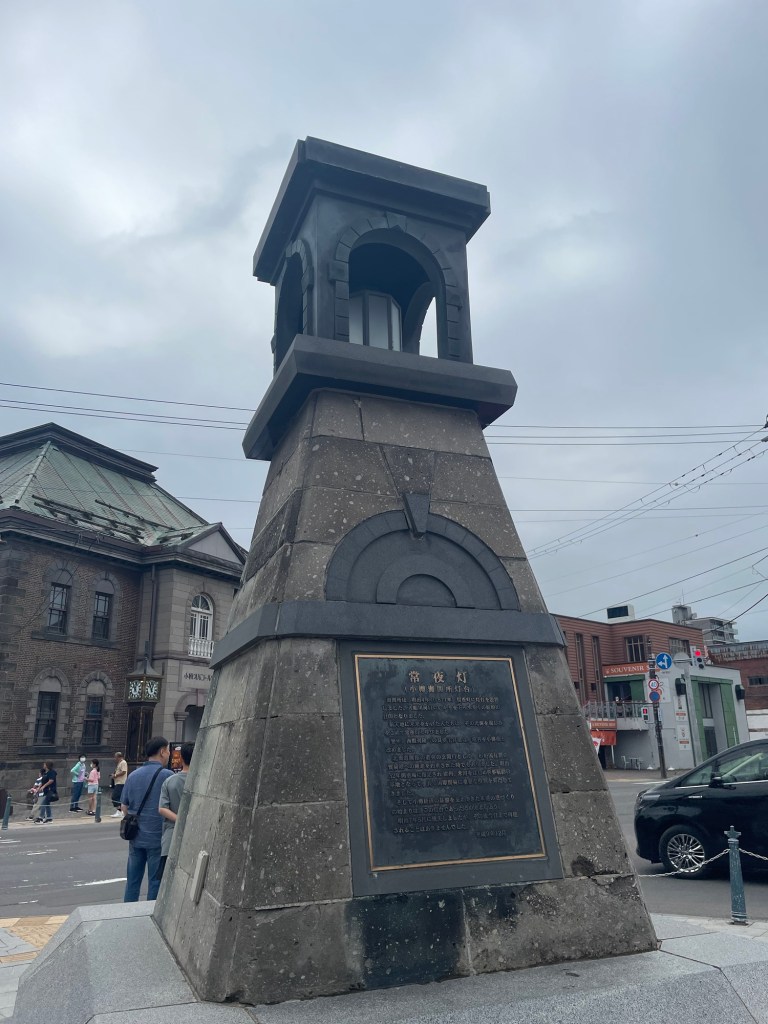
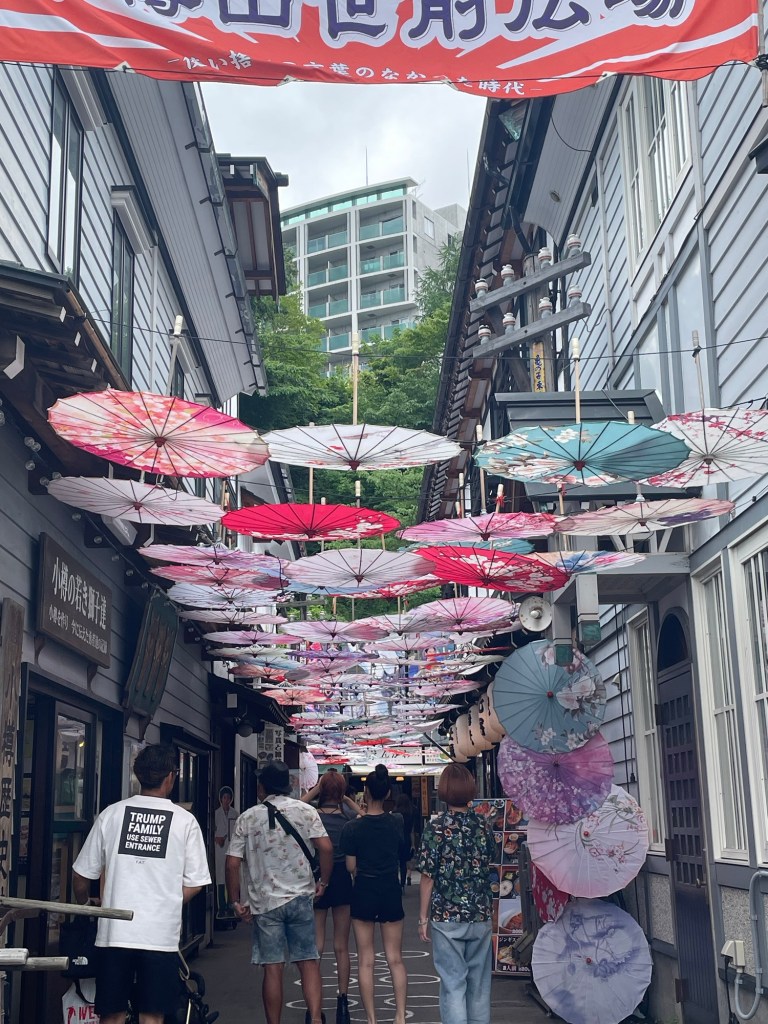
11:00 AM: After breakfast, we explored the charming streets of Otaru. Our first stop was the Otaru Music Box Museum 小樽オルゴール堂 本館, which was at one end of the Sakaimachi 小樽堺町通り商店街.
Trivia: オルゴール comes from the word orgel which means organ in Dutch.
Stepping inside felt like entering a dream. The museum is filled with beautifully crafted music boxes, each one unique. There are three floors. The first floor is mainly items on sale, the second floor is for crafts and museum, and on the third floor, I found a shop dedicated to Studio Ghibli-themed music boxes! Hearing the delicate tunes from My Neighbor Totoro was enchanting. The soft melodies floating through the museum made it a magical start to our day. We couldn’t resist and bought a music box from here.

Otaru Music Box Museum 小樽オルゴール堂 本館
4-1 Sumiyoshicho, Otaru, Hokkaido 047-0015, Japan
otaru-orgel.co.jp
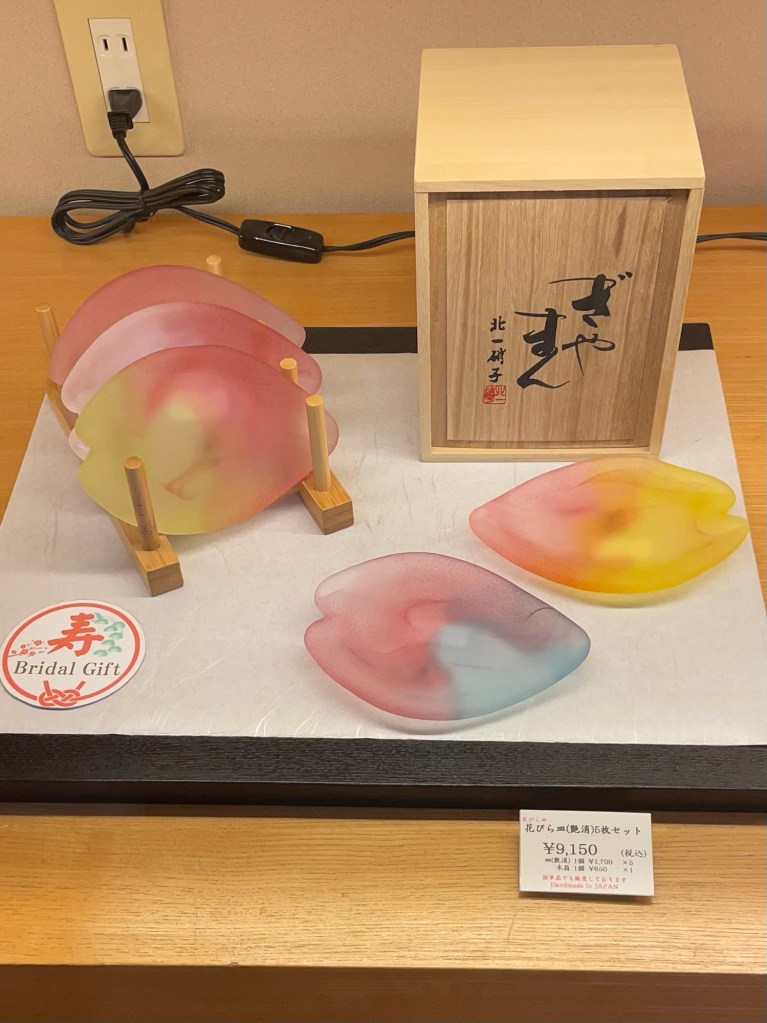
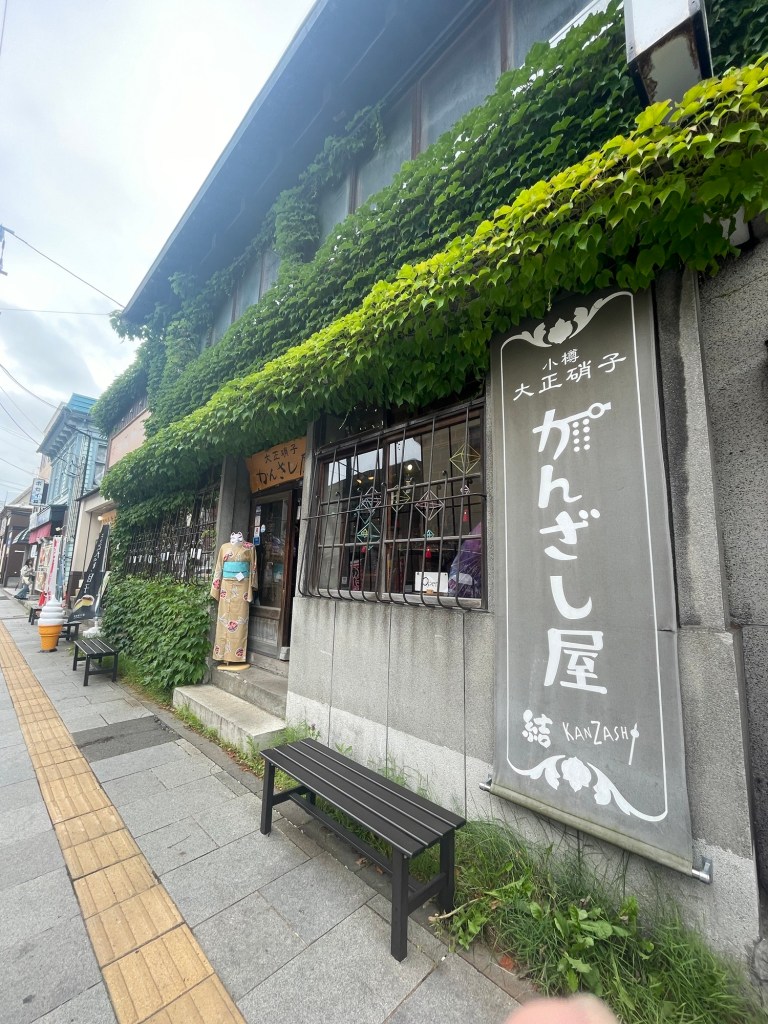
Next, we wandered down Sakaimachi Street (小樽堺町通り商店街), famous for its glassware shops. It’s the perfect place to pick up one-of-a-kind souvenirs. I picked up a beautiful hand-blown glass wind chime and a sake bottle set to bring home. The street also has tempting snacks—I highly recommend trying the green tea, cantaloupes, and dried squid.



3:15 PM: After shopping, we left Otaru and hit the road towards Hilton Niseko Village. This continues our journey in Hokkaido. The drive through the lush landscape was scenic, and by the time we arrived, we were ready for some relaxation.
5:00 PM: The outdoor onsen was exactly what I needed. The hot spring’s warmth eased away the day’s fatigue, and the stunning backdrop made it all the more special. For dinner, I decided to try something iconic—Hokkaido soup curry. This rich, flavorful dish was the perfect balance of hearty and spicy, filled with local vegetables and tender meat. A satisfying end to the day after soaking in the onsen.
Day 4 was a perfect mix of exploring Otaru’s historic charm and unwinding in Niseko’s natural beauty. Tomorrow promises more adventures!
Hilton Niseko Village
Niseko, Abuta District, Hokkaido 048-1592, Japan
hilton.com















 dreaming in ningzheaven