

Summary:
- 6:00 AM: Depart from Tokyo via Nozomi 1 のぞみ 1
- 8:50 AM: Arrive at Nakatsugawa 中津川, take a bus to Magome 馬籠宿
- 11:30 AM: Lunch at Daikokuya Sabo
- 12:00 PM: Start the hike from Magome-juku to Tsumago-juku
- 3:30 PM: Reach Tsumago-juku, explore before heading to Tokonamiso for the night
In Edo period, there were five designated major roads known as Gokaido 五街道 that served as Japan’s main means of transportation and trade. They are the Tokaido Road 東海道, Koshukaido Road 甲州街道, Oshukaido Road 奥州街道, Nikkokaido Road 日光街道, and Nakasendo Road 中山道. You might have heard of Tokaido, the name used for the major Shinkansen line that runs between Tokyo and Osaka. Unlike Tokaido which runs along the coast line, the Nakasendo wound through Japan’s mountainous inland and connected the old Kyoto to old Edo (modern-day Tokyo).
The Nakasendo stretches approximately 534 kilometers across 69 post towns like Magome and Tsumago, which provided weary travelers with places to rest and resupply. These post towns were vital to trade and communication during the Edo period. Today, the trail offers a glimpse into Japan’s past, preserved for modern travelers to explore.

We took a 5 day trip along the Nakasendo, with 4 days of hike, starting from Tokyo. The first stop is Magome-juku 馬籠宿, one of the post towns on the Nakasendo.
6:00 AM: Our journey on the historic Nakasendo Trail began bright and early at Tokyo Station. We boarded the first outbound train — Nozomi 1 (のぞみ 1)– bound for Nagoya. I love traveling on the Shinkansen, always on time and comfortable. This time, we tried the smartEX app to buy our tickets. You just need the QR code to board the train. No fuss and easy, just remember to get the QR beforehand for everyone if you are traveling in a group to prevent any last min malfunction of your phone!
7:34 AM: We transferred to the Shinano 3 train headed for Nakatsugawa. At the transfer gates, you will need to scan the QR code and insert the tickets for the next train. For this leg, I used a different method to get the tickets.
By 8:50 AM, we were at Nakatsugawa Station 中津川, where a short walk brought me to the bus terminal. For just 570 yen, I hopped on a bus from Nakatsugawa Eki-mae 中津川駅前 to Magome 馬籠, the starting point of my hike. The ride takes about 25 minutes and brings you through Gifu mountains to arrive at Magome juku 馬籠宿.
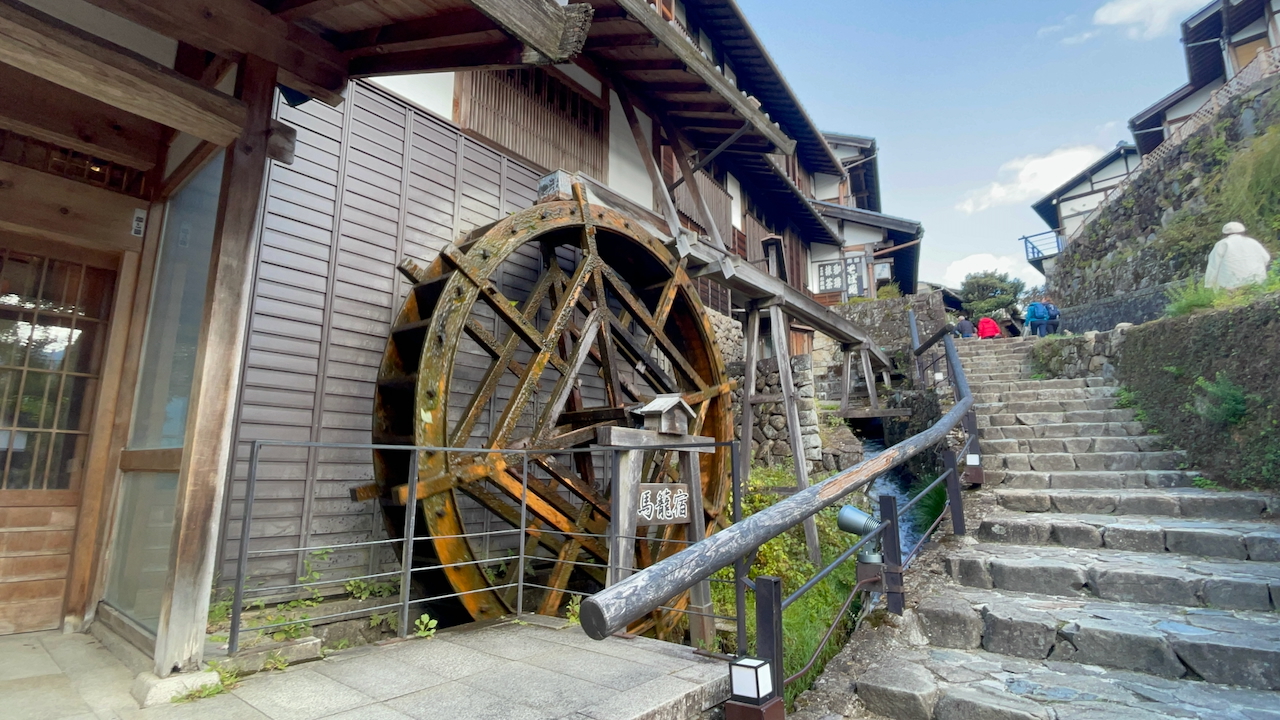


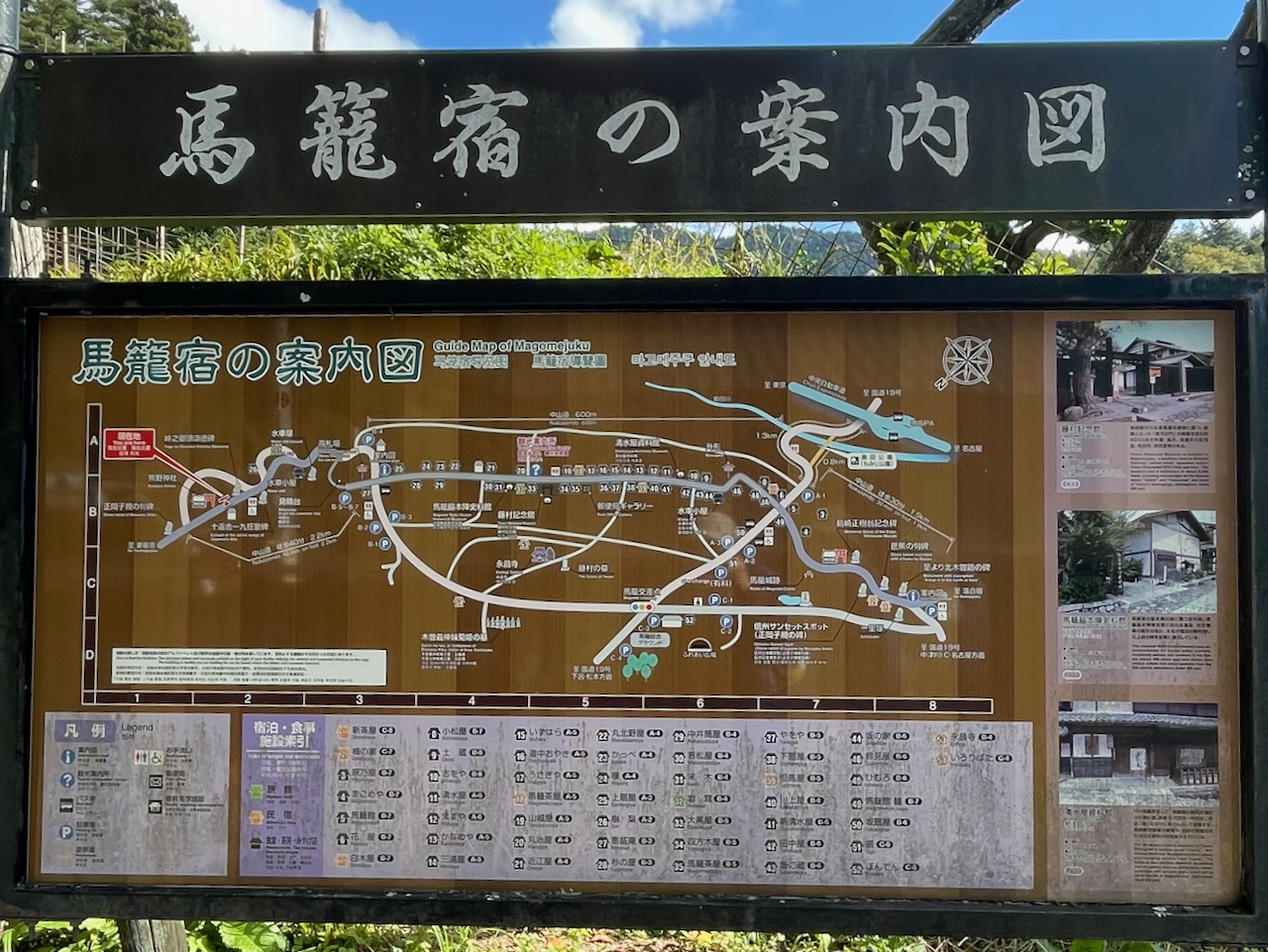
We arrived at Magome-juku 馬籠宿, a quaint post town straight out of an Edo-era storybook. Once a bustling stop for samurai, merchants, and pilgrims, Magome’s steep incline earned it the nickname as horses often needed to be guided by hand. Its cobblestone streets and wooden buildings have been beautifully restored, allowing visitors to step back in time.
Before beginning the hike, we took time to explore Magome’s charming streets, where local shops offered crafts and regional snacks. At 11:30 AM, we stopped for lunch at Daikokuya Sabo 大黒屋茶房, a cozy tea house serving seasonal soba. The earthy flavours paired perfectly with the crisp mountain air, energising us for the journey ahead.
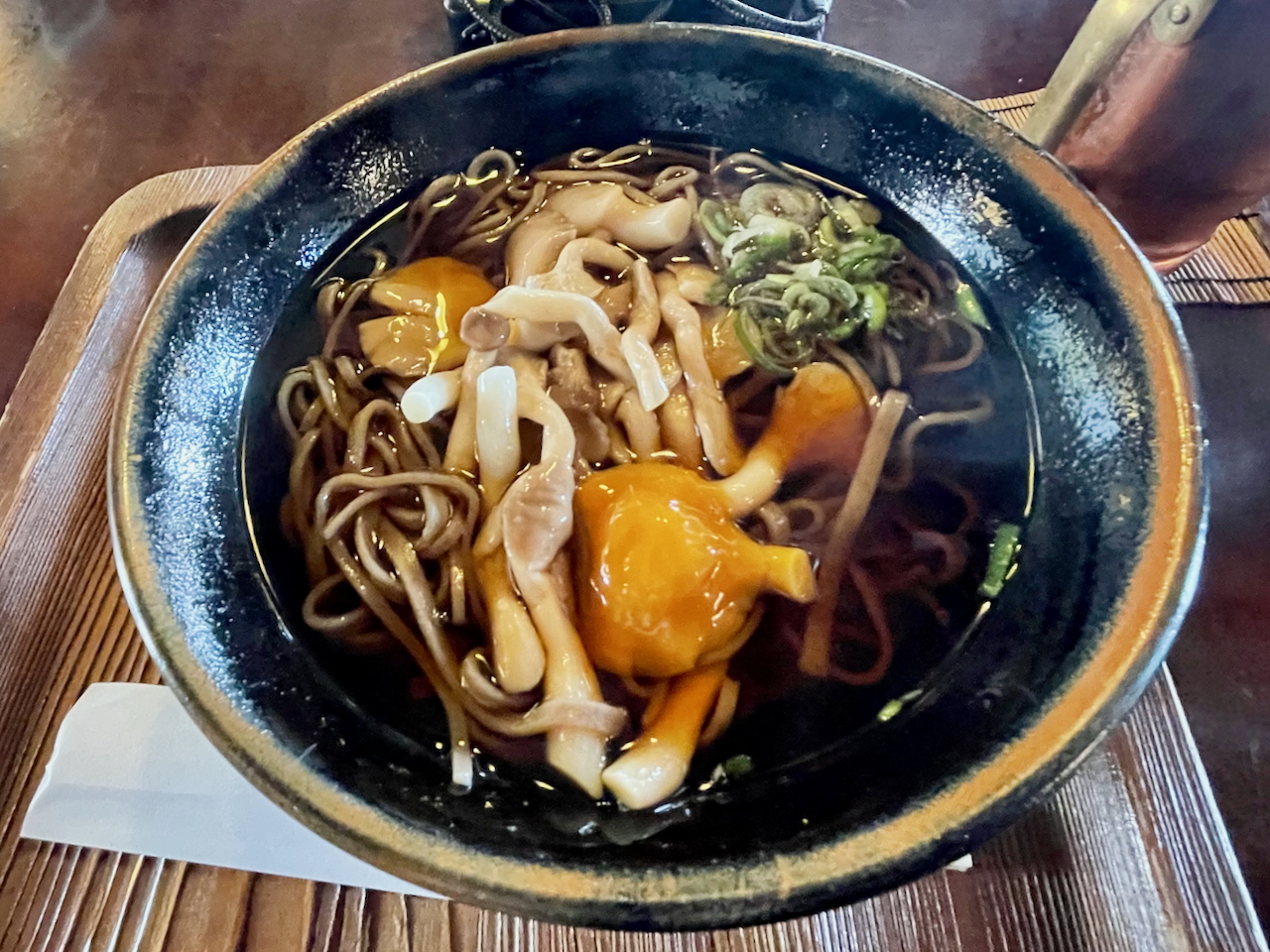
大黒屋茶房 (Daikokuya Chabo)
〒508-0502 岐阜県中津川市馬籠4255
4255 Magome, Nakatsugawa, Gifu 508-0502, Japan
営業時間: 9:00~16:00 定休日: 不定休
Operating Hours: 9:00 AM – 4:00 PM Closed: Irregular holidays
(Please double check location on map before visiting!)
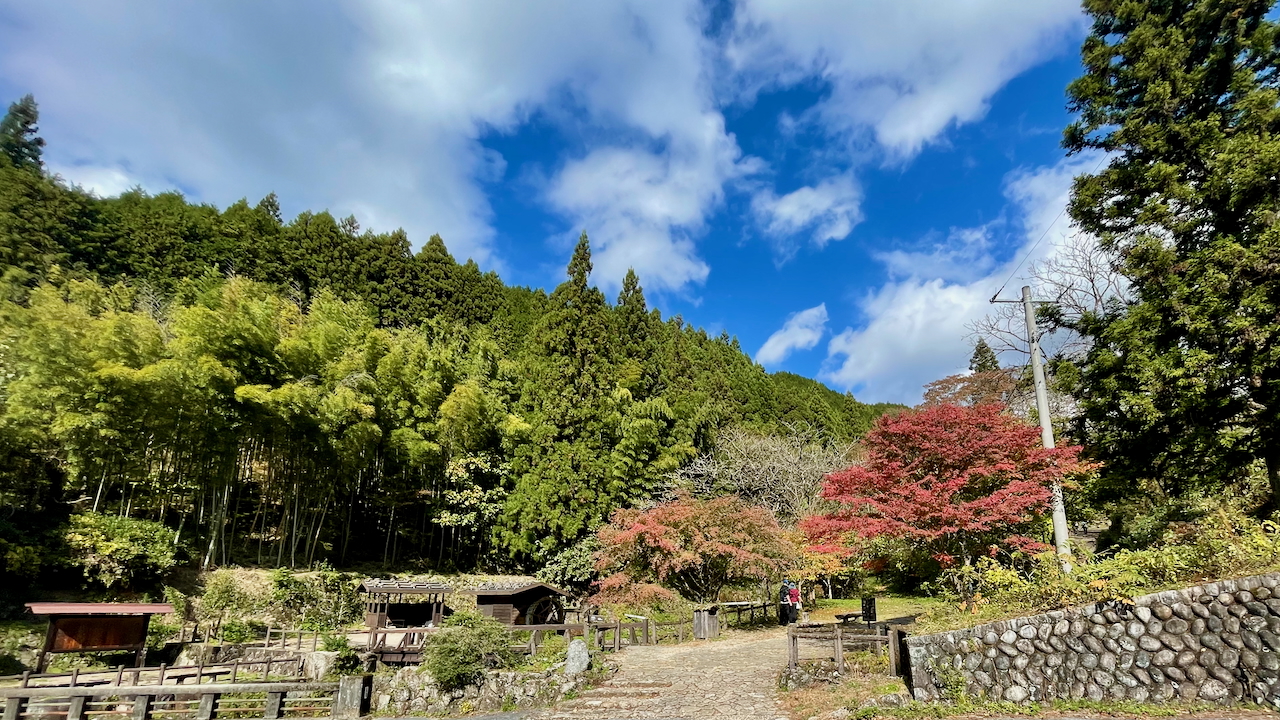
At 12:00 PM, we set off for Tsumago-juku 妻籠宿. This 8-kilometer section of the Nakasendo Trail is one of the best-preserved, winding through lush forests, rustic villages, and ancient teahouses. The sounds of babbling brooks, chirping birds, and rustling leaves made the hike both tranquil and rejuvenating. Along the way, I passed stone markers and signposts, reminders of the many feet that had trodden this historic path centuries before.


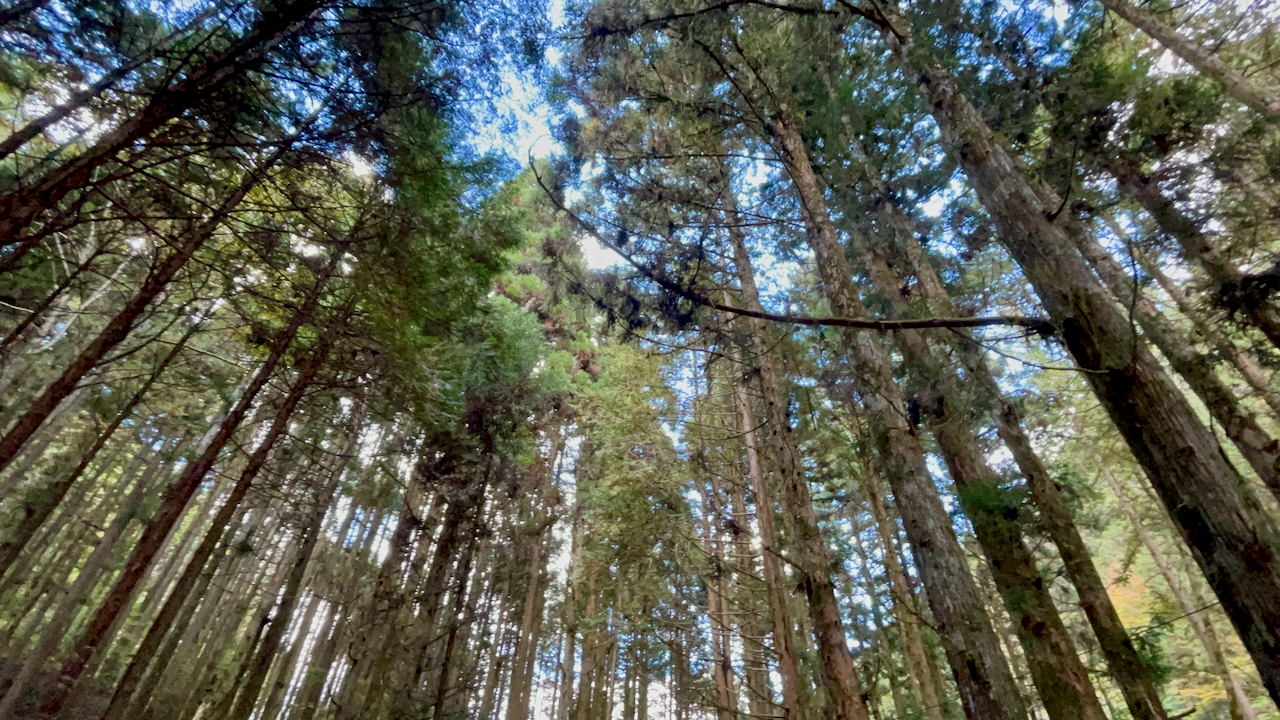


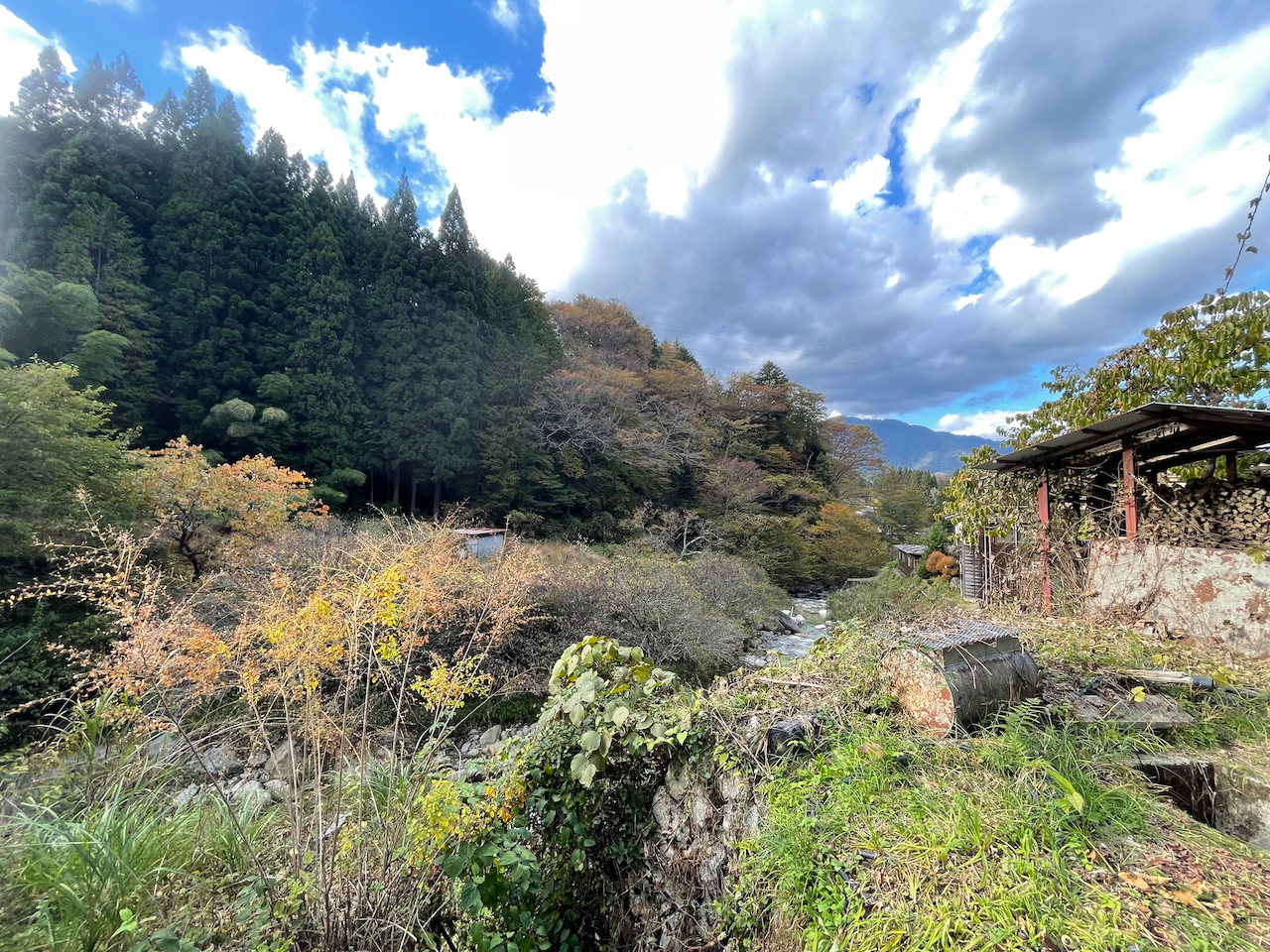


By 3:30 PM, we arrived at Tsumago-juku 妻籠宿, another meticulously preserved post town. Compared to Magome, Tsumago feels quieter and more untouched, as though it has been frozen in time. We wandered through its narrow streets, admiring the traditional architecture and soaking in the serene atmosphere.
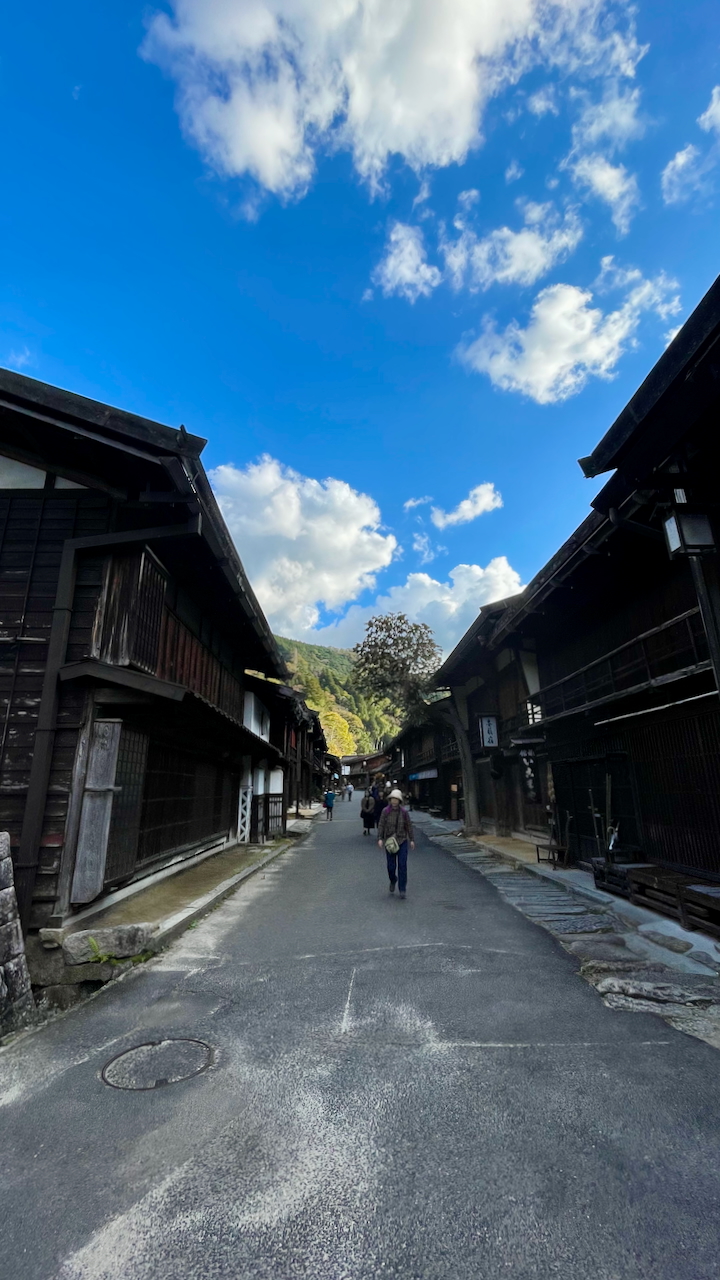


Tsumago-juku 妻籠宿 holds immense historical and modern significance as one of Japan’s most successfully preserved post towns. During the Edo period, it served as the 42nd of the 69 post towns along the Nakasendo 中山道, providing crucial rest and resupply services for samurai, merchants, and government officials traveling between Kyoto and Edo. What makes Tsumago truly remarkable today is its modern preservation efforts—since the 1960s, local residents have been meticulously restoring Edo-era buildings to their traditional lattice-wood appearance. The town has implemented strict regulations prohibiting cars on the main street and hiding all modern infrastructure like power lines and telephone cables, creating an authentic time-capsule experience. This dedication to preservation has made Tsumago a model for heritage conservation across Japan and earned it recognition as one of the country’s most atmospheric historical destinations.
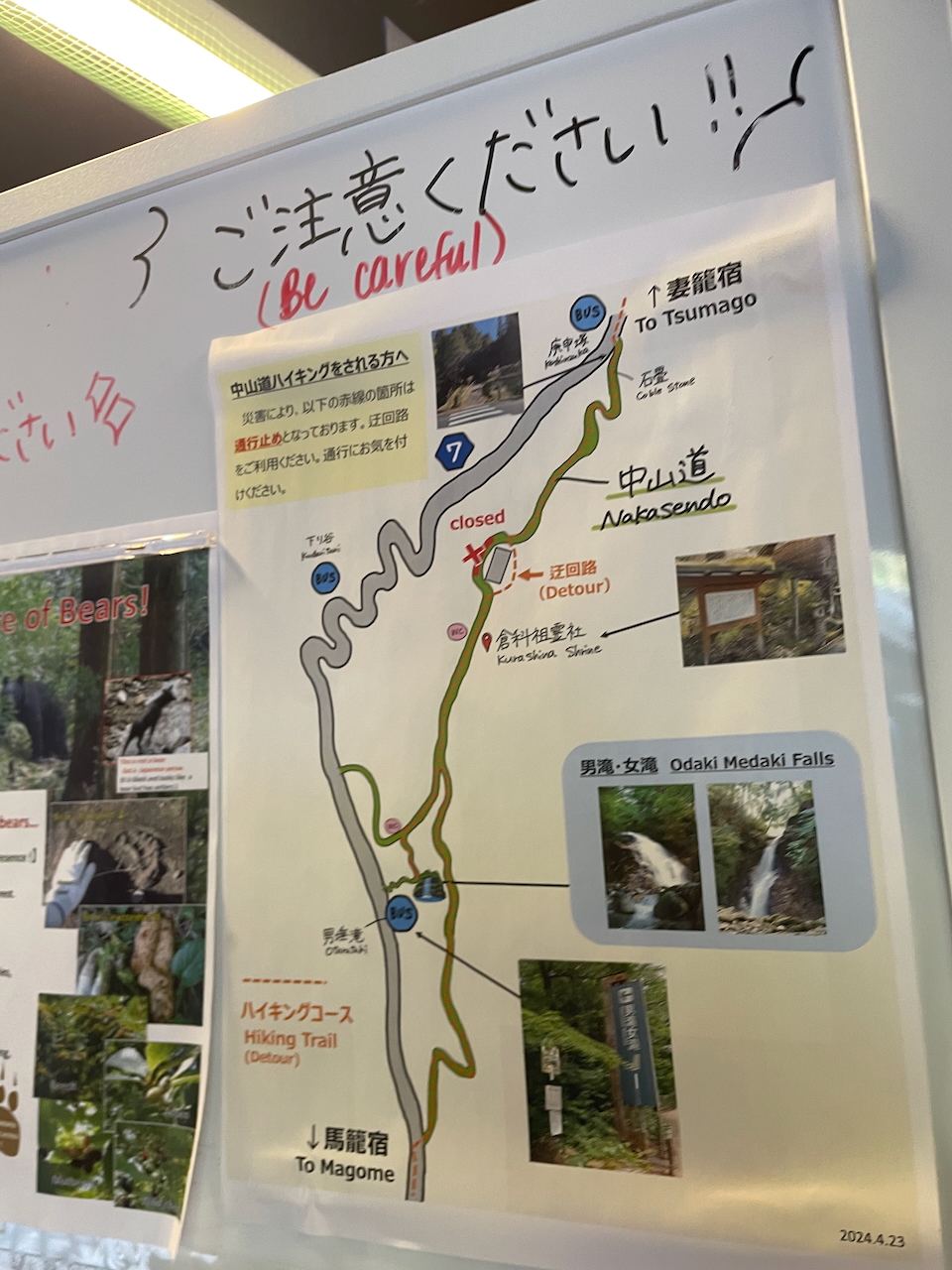
At the Tsumago tourist information center, we discovered that our planned route for the next day was blocked due to collapsed boulders—thankfully they provided an alternative path. We also learned about the trail’s stamp collection system and obtained the official Nakasendo 中山道 Trail Completion Certificate (made from local hinoki 檜 cypress wood) for a small fee, which gets stamped at both Magome 馬籠 and Tsumago 妻籠. While we skipped the commemorative walking stick, the certificate made for a perfect souvenir. (This trip was made in November 2024. Remember to check the tourist information center before embarking on your next trail!)
Before leaving, we managed to grab a quick bite at Yamagiri Shokudo やまぎり食堂,, where the hearty local dishes were a perfect end to my visit. The lovely ladies who run the place, gave us a special introduction to the local delights!


やまぎり食堂 (Yamagiri Shokudo)
〒399-5302 長野県南木曽町吾妻2179-1 2179-1
Azuma, Nagiso-machi, Kiso-gun, Nagano 399-5302, Japan
営業時間: 9:30〜17:00 定休日: 火曜日(冬期変動有り)
Operating Hours: 9:30 AM – 5:00 PM Closed: Tuesdays (winter schedule may vary)
TEL: 0264-57-3134 https://yamagiri3134.web.fc2.com/
As evening approached, we took a shuttle to Tokonamiso 床浪荘, my accommodation for the night. This rustic ryokan offered a peaceful escape, complete with a soothing onsen to ease the day’s exertion.
床浪荘 (Tokonamiso)
〒399-5302 長野県南木曽町吾妻4644-71
4644-71 Azuma, Nagiso-machi, Kiso-gun, Nagano 399-5302, Japan
Sister hotel onsen available: 6:00 AM – 11:00 PM
Free shuttle service available (Contact the hotel directly to arrange shuttle service to confirm shuttle times and pickup point. For us, it was the carpark near to the tourist information center.)
As a newbie to multi-day hikes and first-timer carrying a full-load backpack, the Magome-Tsumago trail was a perfect introduction to this historic route, the Nakasendo 中山道. First day covered 10km, 25,000 steps and 250m elevation. For beginners like me, the body did ache at night, so the onsen is a must! Blending breathtaking scenery, cultural heritage, and a touch of Edo-period charm, it left us eager for the adventures awaiting in the days ahead.
 dreaming in ningzheaven